Big Fish Small Fish
Big Fish Small Fish is a quick-reflex exercise in which players respond to commands by miming the opposite of what is called. When the leader says "big fish," players gesture small, and vice versa. The exercise trains the ability to process and invert information rapidly, building the mental agility needed for fast-paced improv.
Structure
Setup
Players stand in a circle or spread out facing the facilitator. No materials needed.
Basic Play
The facilitator calls either "Big Fish" or "Small Fish." Players must mime the OPPOSITE of what is called:
- "Big Fish" = players hold their hands close together showing a small fish
- "Small Fish" = players spread their arms wide showing a big fish
The facilitator progressively speeds up the commands, adds false starts, repeats the same command twice in a row, and varies the rhythm to catch players off guard.
Variations
The core mechanic - do the opposite - can be extended to other pairs:
- "Hot" / "Cold" (shiver for hot, fan yourself for cold)
- "Fast" / "Slow" (move in slow motion when called fast, and vice versa)
- "High" / "Low" (crouch when called high, reach up when called low)
Elimination Round
Players who respond correctly (or who the facilitator deems have responded correctly) stay in. Players who react wrong sit down. Last few standing win.
Notes on Facilitation
The facilitator should vary their own energy deliberately - loud and fast, then soft and slow, to prevent players from tracking voice energy rather than the actual word. The game loses its value if players can predict commands from delivery.
How to Teach It
How to Explain It
"Big Fish means show me a small fish. Small Fish means show me a big fish. Simple. I'm going to try to trick you."
Model both responses clearly before starting. Then start slowly and build speed.
Why It Matters
Big Fish Small Fish trains the mental processing layer that sits between hearing information and acting on it. Players must consciously override their first impulse (the literal reaction) and invert it. This interruption of the automatic response is directly relevant to improv: when a scene partner says something surprising, the instinct is to respond literally (block or deflect). The trained improviser learns to process the offer and return something unexpected. The exercise builds that processing muscle in a low-stakes, physical context.
Common Coaching Notes
- Let players fail visibly. The laughs that come from players miming the wrong thing are valuable. They signal the exercise is working - the automaticity is being exposed.
- Speed is the variable. For groups that find it easy, increase pace drastically. For groups that are frustrated, slow down.
- Don't over-explain before starting. Two examples, then go. Too much explanation removes the instinct-override challenge.
- Pairs variant. Players face partners. Partners call commands for each other. This increases repetitions and shifts accountability.
Debrief Questions
- What happened when you went fast?
- When did you stop thinking and just react - and what did you do?
- How is this similar to what happens when a scene partner gives you an offer you didn't expect?
Worth Reading
See all books →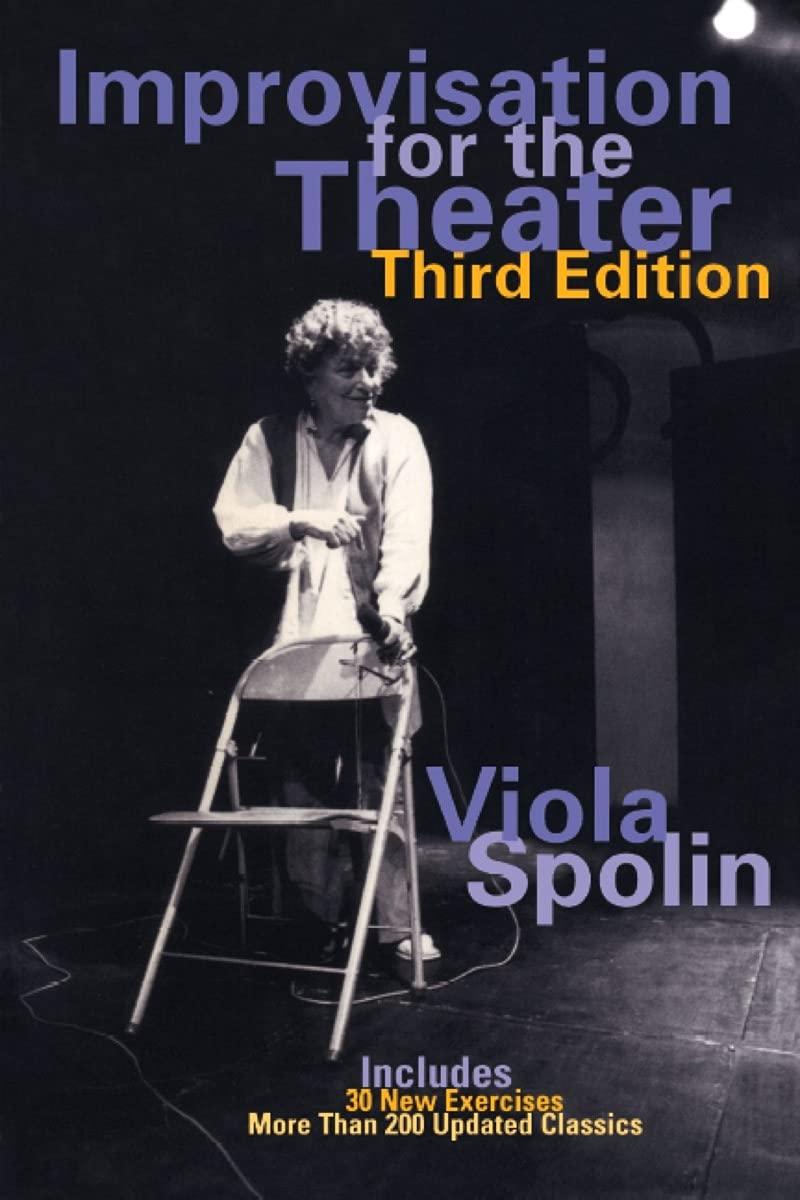
Improvisation for the Theater
A Handbook of Teaching and Directing Techniques
Viola Spolin

Pirate Robot Ninja
An Improv Fable
Billy Merritt; Will Hines
Theater Games for Rehearsal
Viola Spolin

Group Improvisation
The Manual of Ensemble Improv Games
Peter Campbell Gwinn; Charna Halpern

Acting Through Improv
Improv Through Theatresports
Lynda Belt; Rebecca Stockley
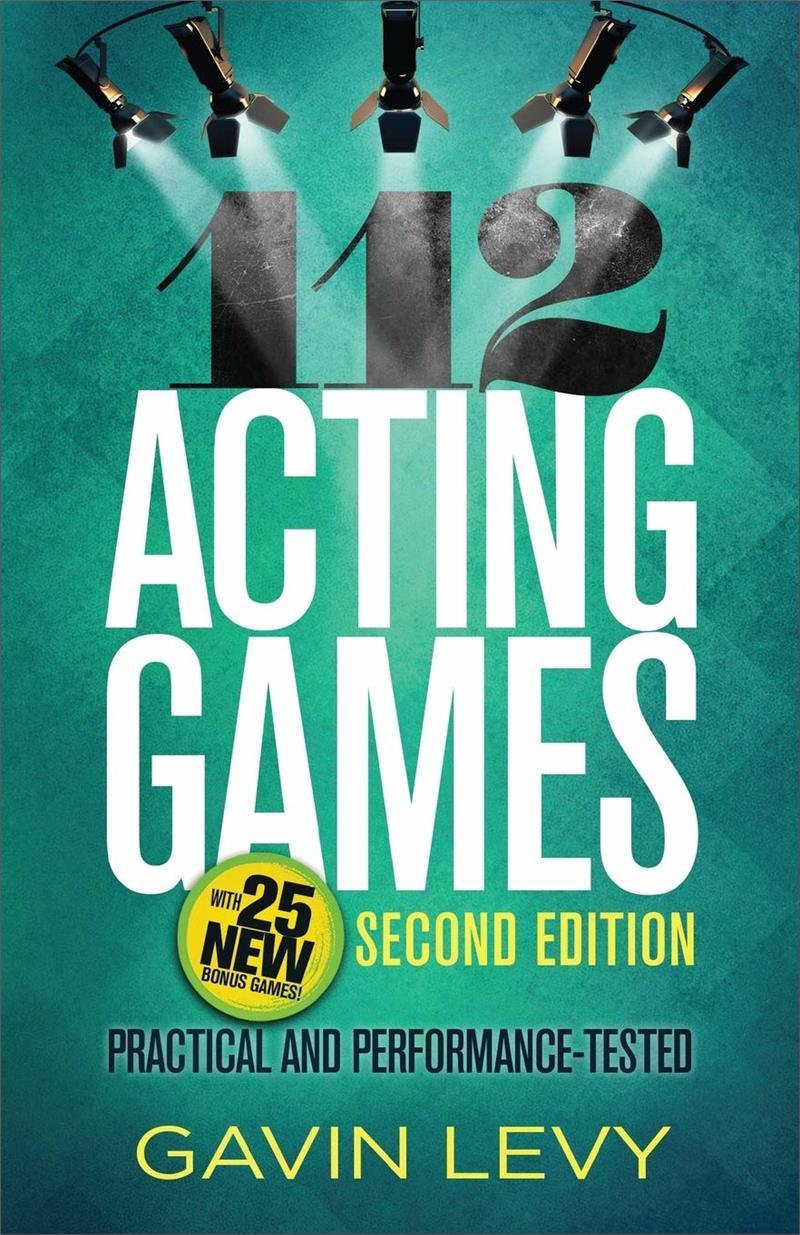
112 Acting Games
Gavin Levy
Related Exercises
Fish Sticks
Fish Sticks is a circle exercise in which players ask simple "Do you ... ?" questions while everyone tracks their own answers by lowering fingers. The round quickly reveals shared experiences, differences inside the group, and how honestly participants are listening to the question being asked.
Big Body Tiny Head
Big Body Tiny Head is a physicality exercise in which performers exaggerate the proportions of their body in movement, leading with an oversized physical presence while minimizing the head and face. The distortion forces players out of cerebral, face-focused performance habits and into full-body expressiveness. The exercise develops physical range and breaks self-conscious patterns.
Impro Catch
Impro Catch is a warm-up exercise that combines physical catching with improvisational response. Players toss an object between them, and the catcher must respond to a creative prompt the moment the object lands in their hands -- naming a character, starting a scene, completing a sentence, or answering a question. The simultaneous physical and creative demands prevent analytical thinking, producing more spontaneous, less controlled responses. The dual-task structure trains the reflex of immediate creative commitment.
Fishbowl
Fishbowl is a performance and observation exercise in which a small group performs a scene or task inside a circle of watchers. The surrounding observers study the work closely, and the format alternates between performing and watching. The arrangement creates a focused, intimate performance dynamic in which every choice is visible and accountable. Fishbowl trains both the doing and the observing of improv, developing critical watching skills alongside performance skills.
Barney
Barney is an energy and movement warm-up exercise in which players adopt an exaggerated, lumbering physical character and interact with the group through simple, playful commands. The exercise asks participants to embody a large, slow, friendly creature (often described as a dinosaur or monster) and move through the space with maximum physical commitment and minimum self-consciousness. The inherent silliness of the character lowers inhibitions quickly, making Barney effective as an early warm-up for groups that are new to physical work or uncomfortable with large physical choices. The exercise builds comfort with exaggerated movement, vocal projection, and the willingness to look ridiculous in front of others, all foundational skills for improv performance.
Predator/Defender
Predator Defender is an applied improvisation exercise from Putting Improv to Work in which each player secretly chooses one person as their predator and another as their defender. On the signal to move, everyone must keep their defender between themselves and their predator at all times, creating a dynamic, self-organizing system of constant movement.
How to Reference This Page
The Improv Archive. (2026). Big Fish Small Fish. Retrieved September 28, 2026, from https://improvarchive.org/exercises/big-fish-small-fish
The Improv Archive. "Big Fish Small Fish." The Improv Archive, 2026. https://improvarchive.org/exercises/big-fish-small-fish.
The Improv Archive. "Big Fish Small Fish." The Improv Archive, 2026, https://improvarchive.org/exercises/big-fish-small-fish. Accessed September 28, 2026.
The Improv Archive is a systemically maintained repository. The archive itself acts as the corporate author.