Brain Drain
Brain Drain is a rapid-fire listing exercise in which a player must name as many items as possible in a category before time runs out. The speed prevents self-censorship and trains the associative thinking essential to improvisation. It can be played individually, in pairs, or as a group warm-up.
Worth Reading
See all books →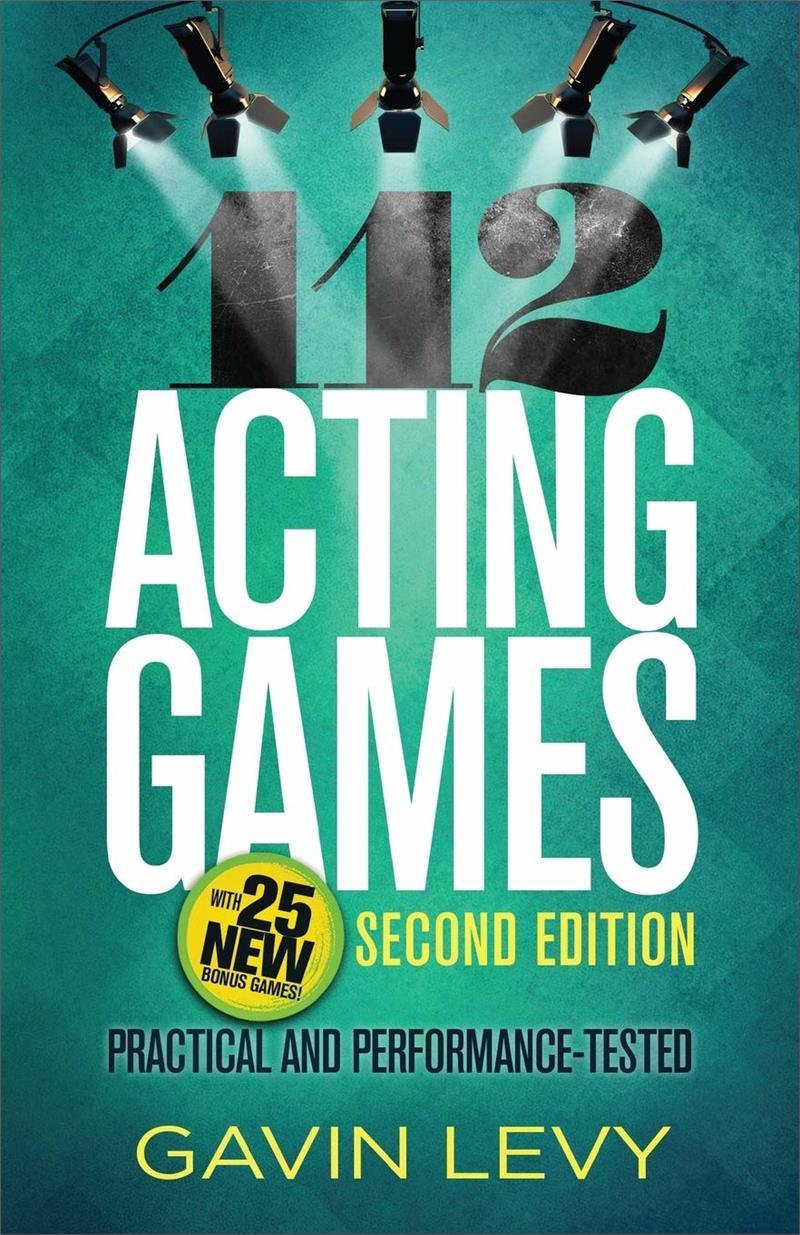
112 Acting Games
Gavin Levy

Playing Along
37 Group Learning Activities Borrowed from Improvisational Theater
Izzy Gesell

Business Improv
Experiential Learning Exercises to Train Employees
Val Gee

Group Improvisation
The Manual of Ensemble Improv Games
Peter Campbell Gwinn; Charna Halpern

The Applied Improvisation Mindset
Tools for Transforming Individuals, Organizations, and Communities
Theresa Robbins Dudeck; Caitlin McClure

Improv Yourself
Business Spontaneity at the Speed of Thought
Joseph A. Keefe
Related Exercises
Mind Meld
Mind Meld is a convergence exercise in which two players simultaneously say unrelated words, and the group then attempts to find a single word that connects the two. Players count down and speak at the same time, narrowing toward a shared answer through successive rounds of association. The exercise trains group mind, lateral thinking, and the trust required to commit to a choice without hesitation.
Eight Things
Eight Things is a variant of the listing game in which a player must rapidly name eight items in a given category. The group counts along to maintain energy and pressure. The exercise trains spontaneous retrieval and the ability to generate ideas without filtering. It functions as both a warm-up and a performance game.
Shuffle
Shuffle is a physical warm-up exercise in which players mill through the space and must quickly form groups of a called-out number when the facilitator gives the signal. Players who cannot find a complete group in time are eliminated or take a forfeit. The exercise builds physical energy, spatial awareness, and the habit of actively and immediately seeking connection with other players.
Twenty Objects
Twenty Objects is an exercise in which a player must mime twenty different objects in rapid succession, making each one physically distinct and recognizable. The speed prevents overthinking and forces players to commit to their first physical impulse. The exercise builds object work fluency and creative stamina.
Jump
Jump is a focus and commitment exercise in which one player initiates an action and the rest of the group simultaneously joins in. The exercise trains the ability to recognize and support a group choice instantly without waiting for confirmation. It builds the reflex of jumping in that drives ensemble improv.
Solo Sevens
Solo Sevens is a rapid-fire brainstorming exercise in which a participant thinks of a category and rapidly names seven things in that category as fast as possible, including made-up answers, to build fluency and overcome the internal censor that blocks creative output.
The Lineage
Explore the schools and structures that influenced or evolved from Brain Drain.
112 Acting Games (Levy)
How to Reference This Page
The Improv Archive. (2026). Brain Drain. Retrieved September 29, 2026, from https://improvarchive.org/exercises/brain-drain
The Improv Archive. "Brain Drain." The Improv Archive, 2026. https://improvarchive.org/exercises/brain-drain.
The Improv Archive. "Brain Drain." The Improv Archive, 2026, https://improvarchive.org/exercises/brain-drain. Accessed September 29, 2026.
The Improv Archive is a systemically maintained repository. The archive itself acts as the corporate author.