Letter Number Name
Letter Number Name is a cognitive multi-tracking warm-up exercise in which participants move through a sequence cycling between three categories -- a letter of the alphabet, a number, and a proper name -- simultaneously advancing each sequence independently. The exercise disrupts automatic cognitive patterning, trains the ability to hold and advance multiple concurrent sequences, and activates the focused concentration required at the start of a rehearsal or workshop.
Structure
Setup
Participants stand in a circle or work individually. The facilitator explains the three simultaneous sequences that each participant must maintain: the alphabetical sequence (A, B, C...), a numerical sequence (1, 2, 3...), and a sequence of proper names (one per turn, any name, continuing alphabetically or freely).
Progression
Starting with the first participant, each person calls out one element from each sequence in order: "A, 1, Alice." The next participant advances all three: "B, 2, Ben." Each participant must track where the previous person left off in all three sequences simultaneously.
Variations may introduce random assignment of which sequence each participant must advance, or require the three elements to be delivered in a different order each round.
Conclusion
The exercise concludes after the group has successfully completed multiple rotations through all three sequences, or when the facilitator determines that the desired level of cognitive activation has been achieved.
How to Teach It
Objectives
Letter Number Name targets cognitive flexibility, divided attention, and the ability to hold multiple concurrent tracks in working memory. As a warm-up, it shifts participants from a distracted or passive mental state into the focused, multi-track attention that ensemble scene work requires.
How to Explain It
"Three things at once. You know where the letters are, you know where the numbers are, and you need to know what name just got used. Keep all three tracks running in your head and advance all three when it's your turn."
Scaffolding
Begin with just two sequences (letter and number) before adding the third. For groups very new to this kind of exercise, allow a brief pause between elements in the first round before increasing pace.
Common Pitfalls
Participants frequently lose one sequence while tracking the other two, or advance only one sequence and treat the others as static. The exercise is most diagnostic in these moments: which sequence drops reveals something about each participant's cognitive prioritization under mild pressure.
Worth Reading
See all books →
Improvisation Starters
A Collection of 900 Improvisation Situations for the Theater
Philip Bernardi
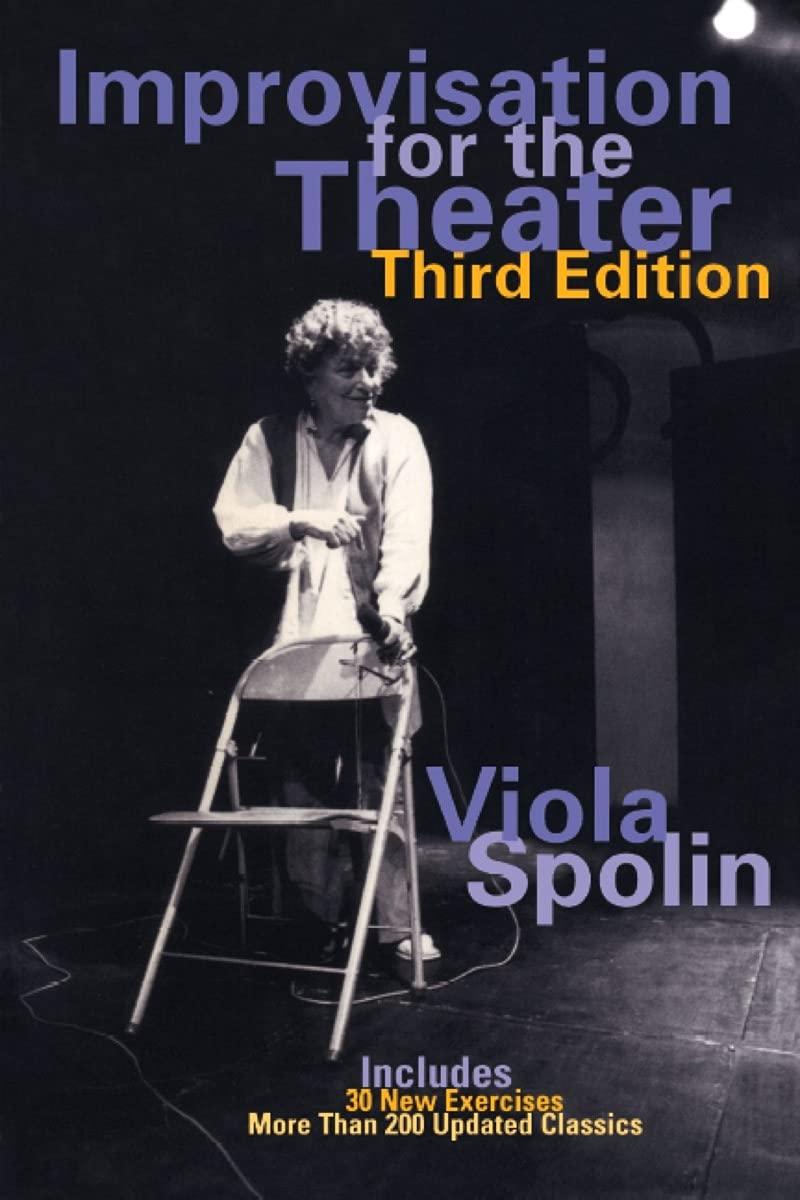
Improvisation for the Theater
A Handbook of Teaching and Directing Techniques
Viola Spolin

The 5 Elements of Improv
How to Take Your Improv to the Next Level
Andrew M. Spragge; Karen L. Eichler

Embodied Playwriting
Improv and Acting Exercises for Writing
Hillary Haft Bucs; Charissa Menefee
Theater Games for Rehearsal
Viola Spolin

Something from Nothing
The Technique of Improvisation
Richard Goteri
Related Exercises
Name 6 Circle
Name Six Circle is a name-learning exercise in which a group stands in a circle and passes names around in a structured sequence, with each pass requiring the sender to make eye contact, say the recipient's name clearly, and receive acknowledgment before the name travels on. The exercise builds name retention and attentiveness to others in the group.
Name Game
Name Game is a warm-up exercise in which players learn and reinforce each other's names through a structured pattern of call-and-response, rhythmic chanting, or physical gestures. Each player's name is paired with a movement, an alliterative adjective, or a rhythmic pattern that makes the name memorable and the learning process active. The exercise is a staple opening activity for new groups and builds the ensemble familiarity that supports strong scene work. Knowing every player's name and having a physical memory associated with it creates the foundation for personal connection within the group.
Name and Motion
Name and Motion is a name-learning exercise in which each participant says their name while simultaneously performing a physical gesture or movement of their choosing. The group then mirrors both the name and the motion back in unison. The pairing of verbal and physical information creates multiple memory anchors, making name retention significantly more reliable than verbal-only introductions.
One Two Three Four
One Two Three Four is a rhythmic counting exercise in which pairs of participants count to four between them in an alternating pattern, then progressively replace numbers with physical actions. The exercise layers increasing cognitive complexity onto a simple rhythm, training split attention, physical commitment, and the ability to maintain a pattern while simultaneously transforming it.
Name Volley
Name Volley is a name-learning exercise in which two or more participants pass each other's names back and forth in rapid succession, maintaining a rhythm similar to a volleyball rally. The exercise develops quick name recall, sustained eye contact, and the physical and vocal commitment that comes from treating someone's name as an object in motion.
Alphabet Circle
Alphabet Circle is a focus exercise in which players stand in a circle and take turns reciting letters of the alphabet, one per person. The pace increases until errors occur, revealing lapses in concentration. Variations add physical gestures, direction changes, or simultaneous counting to increase difficulty.
How to Reference This Page
The Improv Archive. (2026). Letter Number Name. Retrieved September 28, 2026, from https://improvarchive.org/exercises/letter-number-name
The Improv Archive. "Letter Number Name." The Improv Archive, 2026. https://improvarchive.org/exercises/letter-number-name.
The Improv Archive. "Letter Number Name." The Improv Archive, 2026, https://improvarchive.org/exercises/letter-number-name. Accessed September 28, 2026.
The Improv Archive is a systemically maintained repository. The archive itself acts as the corporate author.