Constructive Debate
Constructive Debate is an applied improvisation exercise in which participants practice building on opposing viewpoints rather than dismissing or refuting them. Each contribution requires the speaker to first restate the previous speaker's position accurately and locate something valid in it before introducing their own perspective. The exercise develops the discipline of genuine engagement with competing views as a prerequisite to productive disagreement.
Structure
Setup
Two players or two groups take positions on a topic relevant to the group's professional context or an assigned scenario. The facilitator establishes the central rule: before making a point, each contributor must state back what the previous speaker said well enough that the previous speaker nods or affirms it.
The Structured Conversation
The conversation opens with one side presenting their position. The other side restates what they heard before responding. Each subsequent contribution follows the same sequence: accurate restatement of the previous position, acknowledgment of what is valid in it, then extension or complication from the speaker's own perspective. No contribution may begin from pure negation.
Progression
The moderator (facilitator or a designated player) intervenes when a contribution skips the restatement step or when the restatement is inaccurate. The original speaker clarifies; the responding speaker tries again. The exercise runs for ten to fifteen minutes.
Conclusion
The facilitator ends the structured conversation and opens a debrief on both the content of the discussion and the experience of following the constraint.
How to Teach It
Objectives
Constructive Debate targets perspective-taking, the ability to listen under ideological or professional pressure, and the discipline of engaging with an opposing view before extending one's own. It addresses the tendency in debate and disagreement to rehearse one's next point while pretending to listen rather than genuinely processing what the other person has said.
How to Explain It
"Before you make your point, you have to earn the right to disagree. Say back what the other person just said well enough that they nod. Find the thing in it that's actually right. Then -- and only then -- add your piece. You are not allowed to begin from 'but.' You have to begin from 'yes, and.'"
Scaffolding
With beginners, require only a brief restatement of the previous contribution before responding. With advanced groups, require that the restatement include an identification of the strongest part of the opposing position -- not just a summary but a genuine acknowledgment. A useful intermediate drill is asking participants to argue a position they do not hold before they argue their own.
Common Pitfalls
Participants often produce restatements that are technically accurate but tonally dismissive, summarizing the opposing view in a way that minimizes rather than engages it. Facilitators should name this when they see it: "That summary was accurate but it wasn't generous. Try again with more of their meaning intact."
In Applied Settings
Learning Objectives
Constructive Debate addresses one of the most consistent failures in organizational decision-making: groups that treat disagreement as a competition to be won rather than a resource to be mined. The exercise develops the behavioral discipline of genuine engagement with opposing views, which is a prerequisite for the kind of collaborative problem-solving that produces decisions better than any individual's position.
Workplace Transfer
Cross-functional disagreements, budget negotiations, strategy debates, and any organizational situation where two parties hold competing legitimate interests all benefit from the skill the exercise develops. When participants practice finding what is valid in the opposing position before responding, they model a pattern of engagement that changes the quality of the conversation -- not by avoiding disagreement but by making disagreement generative rather than defensive.
Facilitation Context
The exercise is used in leadership development programs, communication and negotiation training, team effectiveness workshops, and conflict resolution programs. It works with pairs, small groups, and panels, and is most effective when topics are drawn from the participants' actual professional context.
Debrief Framing
Facilitators ask: "When did you find it hardest to restate the other person's position accurately? What made it hard? Did following the constraint change the quality of the conversation? What would happen in your actual organizational disagreements if both parties followed the same rule?"
Skills Developed
Worth Reading
See all books →
The Applied Improvisation Mindset
Tools for Transforming Individuals, Organizations, and Communities
Theresa Robbins Dudeck; Caitlin McClure
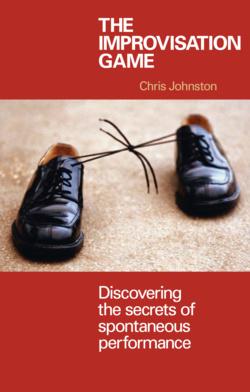
The Improvisation Game
Discovering the Secrets of Spontaneous Performance
Chris Johnston
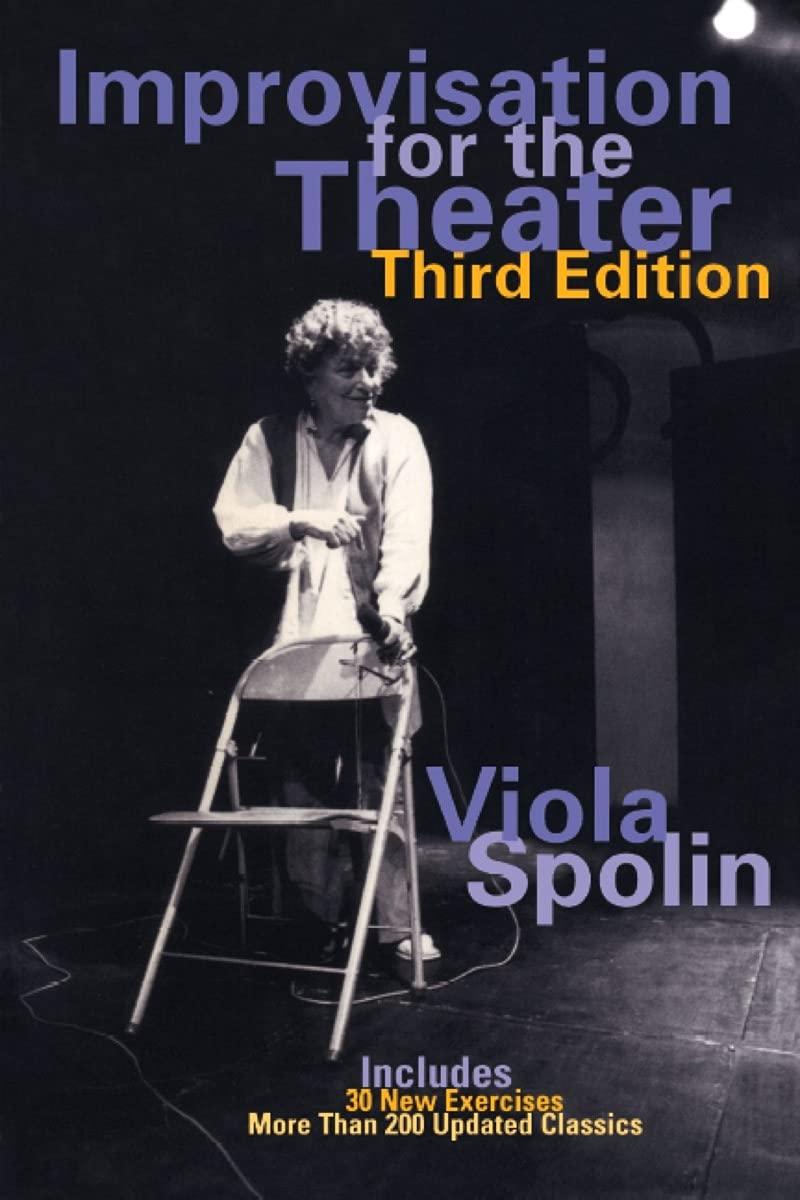
Improvisation for the Theater
A Handbook of Teaching and Directing Techniques
Viola Spolin
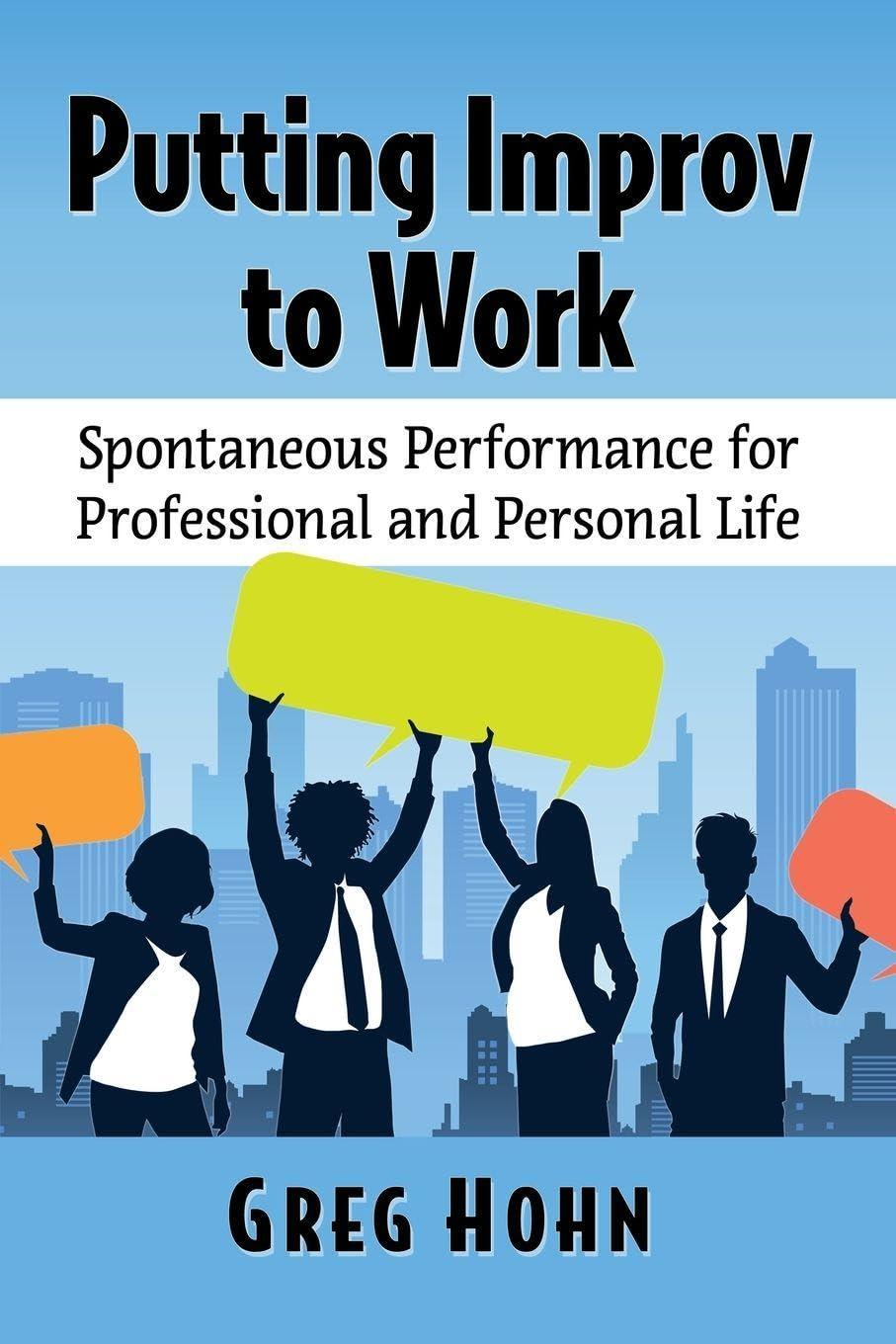
Putting Improv to Work
Spontaneous Performance for Leadership, Learning, and Life
Greg Hohn
The Improvisation Book
How to Conduct Successful Improvisation Sessions
John S.C. Abbott

Playing Along
37 Group Learning Activities Borrowed from Improvisational Theater
Izzy Gesell
Related Exercises
Argue like a Philosopher
Partners practice constructive argumentation following philosophical principles, exploring how to disagree productively while maintaining respect.
Conflict Resolution
Conflict Resolution is a category of applied improvisation exercises in which participants practice navigating interpersonal disagreements using the foundational improv principles of acceptance, listening, and creative problem-solving. Scenarios are enacted improvisationally, giving participants a lower-stakes environment to practice the conversational moves that productive conflict navigation requires: staying present with the other person's perspective, building on rather than dismissing opposing positions, and moving toward resolution without requiring one party to concede.
Critical Thinking
Critical Thinking is a category of applied improvisation exercises that practice the suspension of assumptions and the discipline of questioning answers rather than answering questions. The exercises use improvisational scenarios to develop analytical thinking within a live, unscripted context: participants must evaluate information, identify hidden assumptions, consider alternative interpretations, and resist the impulse to accept the first plausible explanation that presents itself.
The Lawyer
The Lawyer is an applied exercise in which participants practice defending any position assigned to them regardless of their personal view, developing the skills of argument construction, flexible perspective-taking, and the separation of personal belief from effective advocacy. The exercise trains the capacity to argue persuasively without attachment to outcome.
Opposite Side Speech
Opposite Side Speech is a communication exercise in which participants argue for the opposite of their actual position on a topic. One person states a belief or preference, then must immediately switch to advocating passionately for the contrary viewpoint. The exercise builds cognitive flexibility, empathy, and the ability to genuinely inhabit perspectives that differ from one's own.
Feedback
Feedback is an applied improv exercise in which participants construct conversations and letters one word at a time, practicing the principles of constructive feedback delivery and reception through a collaborative word-at-a-time structure. The constraint removes defensive preparation and forces participants to co-create the feedback conversation in real time, revealing the habits, avoidances, and instincts that govern how feedback is actually given and received in professional settings.
The Lineage
Explore the schools and structures that influenced or evolved from Constructive Debate.
The Applied Improvisation Mindset (Dudeck & McClure)
How to Reference This Page
The Improv Archive. (2026). Constructive Debate. Retrieved September 28, 2026, from https://improvarchive.org/exercises/constructive-debate
The Improv Archive. "Constructive Debate." The Improv Archive, 2026. https://improvarchive.org/exercises/constructive-debate.
The Improv Archive. "Constructive Debate." The Improv Archive, 2026, https://improvarchive.org/exercises/constructive-debate. Accessed September 28, 2026.
The Improv Archive is a systemically maintained repository. The archive itself acts as the corporate author.