Everybody Touch Someone Who...
Everybody Touch Someone Who... is a physical warm-up exercise in which a caller names a characteristic or experience and all participants who match it must immediately move to touch at least one other person who also matches. The resulting movement creates visible social maps of the group -- who shares which experiences -- while generating physical energy and a sense of collective discovery through quick, full-body engagement.
Structure
Setup
All players stand in an open space. The facilitator (or a rotating caller) stands in a position visible to everyone.
Progression
The caller announces a characteristic: "Everybody touch someone who has ever stayed up past midnight to finish a project." Everyone who fits the description immediately moves to find and physically touch -- a hand on a shoulder, a high-five, a quick arm clasp -- at least one other person who also fits.
The touches happen quickly and simultaneously. Players do not need to find everyone who qualifies; they simply need to make at least one connection with someone who shares the characteristic.
The caller announces a new characteristic immediately, and the group resets. The characteristics move from light and universal to more specific or revealing at the caller's discretion.
Conclusion
The exercise runs for five to ten prompts and closes naturally. The facilitator may end with a reflection on what was visible in the room -- who moved together, which prompts produced universal movement, which produced isolated pockets.
How to Teach It
Objectives
Everybody Touch Someone Who targets physical engagement, the emergence of group commonality, and the reduction of social distance between participants who are new to each other. The physical contact -- brief and purposeful -- creates connection at a level that verbal introduction does not.
How to Explain It
"When the characteristic fits you, move and find at least one person it also fits. Touch them. Don't overthink it -- just move."
Scaffolding
Begin with universal characteristics ("touched a screen in the last hour," "drank something hot today") before narrowing to characteristics that are more specific or revealing. The easy first prompts build permission for more meaningful ones.
Common Pitfalls
Some participants hang back, watching whether others are moving before committing. The coaching note is to move first -- the exercise only works when everyone responds simultaneously. Facilitators should model strong, immediate movement themselves with the first prompt.
Worth Reading
See all books →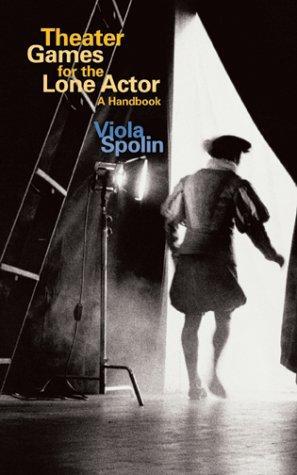
Theater Games for the Lone Actor
Viola Spolin

Improvised Theatre and the Autism Spectrum
A Practical Guide
Gary Kramer; Richie Ploesch
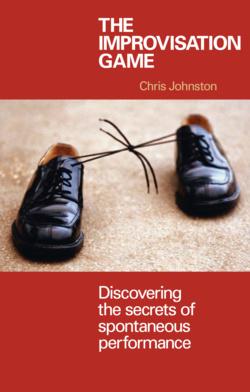
The Improvisation Game
Discovering the Secrets of Spontaneous Performance
Chris Johnston

Playing Along
37 Group Learning Activities Borrowed from Improvisational Theater
Izzy Gesell

Business Improv
Experiential Learning Exercises to Train Employees
Val Gee
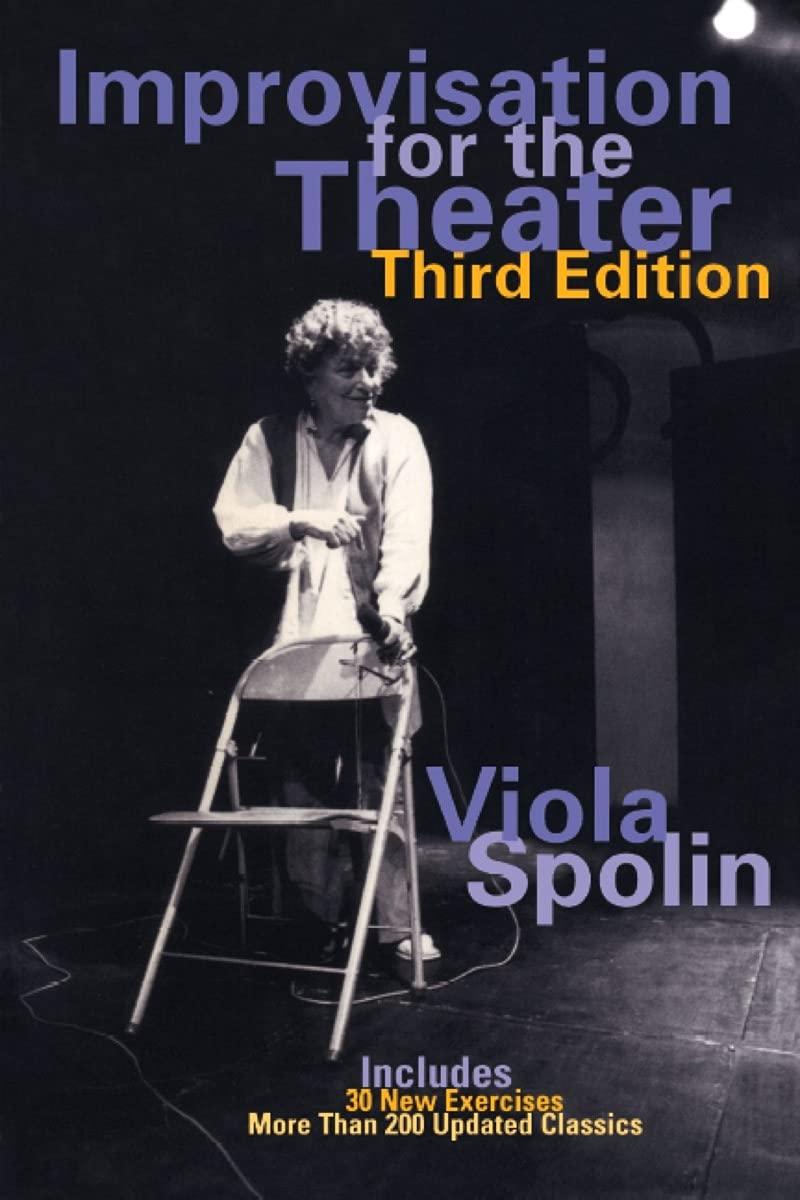
Improvisation for the Theater
A Handbook of Teaching and Directing Techniques
Viola Spolin
Related Exercises
Anyone Who
Anyone Who is a high-energy chair-based warm-up exercise in which players sit in a circle with one fewer seat than participants. The person left standing moves to the center and calls out a statement beginning with "Anyone who..." followed by a trait, experience, or preference. Everyone to whom the statement applies must leave their seat and find a new one, while the caller also scrambles for a seat. The last player left standing becomes the new caller. The exercise energizes the room, breaks down social barriers, and reveals shared experiences across the group. It functions as both a physical warm-up and a group-bonding exercise, making it particularly effective at the start of rehearsals, workshops, and applied improv sessions where participants may not know each other well.
Fingertips
Fingertips is a trust and sensitivity exercise in which two performers connect through their fingertips and move together through the space. The minimal point of contact demands heightened physical listening and mutual care. Each partner must simultaneously lead and follow, responding to subtle shifts in pressure and direction without verbal communication. The exercise builds the kind of delicate partner awareness that transfers directly to subtle, responsive scene work.
Hands in Circles
Hands in Circles is an applied group exercise in which participants stand in a circle and connect hands palm-to-palm with their neighbors. One person initiates a tap on a neighbor's palm, and the tap travels around the circle from person to person. The exercise builds basic group rhythm, shared attention, and the experience of something collectively maintained that would collapse if any one person dropped focus.
Touch to Talk and Eye Contact to Speak
Touch to Talk and Eye Contact to Speak is an applied exercise in which participants practice two distinct modes of initiating communication: physical touch as an invitation to speak, and sustained eye contact as a signal of direct address. The exercise builds precision in nonverbal communication and awareness of how physical cues shape conversational turns.
Touch the Sky!
Touch the Sky is a physical warm-up exercise in which participants reach as high as they can, then discover they can reach further, then further still, through a facilitated sequence of progressive physical extension. The exercise is used to open physical availability, establish full-body engagement, and demonstrate the relationship between expectation and actual capacity.
Synchro Clap
Synchro Clap is a group focus exercise in which players attempt to clap simultaneously without any verbal coordination or designated leader. The exercise develops ensemble awareness and the ability to read and respond to the group's collective energy.
The Lineage
Explore the schools and structures that influenced or evolved from Everybody Touch Someone Who....
112 Acting Games (Levy)
How to Reference This Page
The Improv Archive. (2026). Everybody Touch Someone Who.... Retrieved September 28, 2026, from https://improvarchive.org/exercises/everybody-touch-someone-who
The Improv Archive. "Everybody Touch Someone Who...." The Improv Archive, 2026. https://improvarchive.org/exercises/everybody-touch-someone-who.
The Improv Archive. "Everybody Touch Someone Who...." The Improv Archive, 2026, https://improvarchive.org/exercises/everybody-touch-someone-who. Accessed September 28, 2026.
The Improv Archive is a systemically maintained repository. The archive itself acts as the corporate author.