Back Dancing
Back Dancing is a physical warm-up in which two players stand back to back and move together, each responding to the pressure and rhythm of the other's body. Without visual cues, players must rely on physical sensitivity to stay connected. The exercise builds nonverbal communication and physical trust.
Worth Reading
See all books →
Business Improv
Experiential Learning Exercises to Train Employees
Val Gee

Group Improvisation
The Manual of Ensemble Improv Games
Peter Campbell Gwinn; Charna Halpern
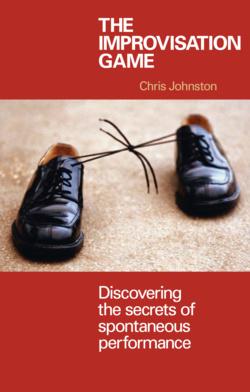
The Improvisation Game
Discovering the Secrets of Spontaneous Performance
Chris Johnston

Acting Through Improv
Improv Through Theatresports
Lynda Belt; Rebecca Stockley

Playing Along
37 Group Learning Activities Borrowed from Improvisational Theater
Izzy Gesell
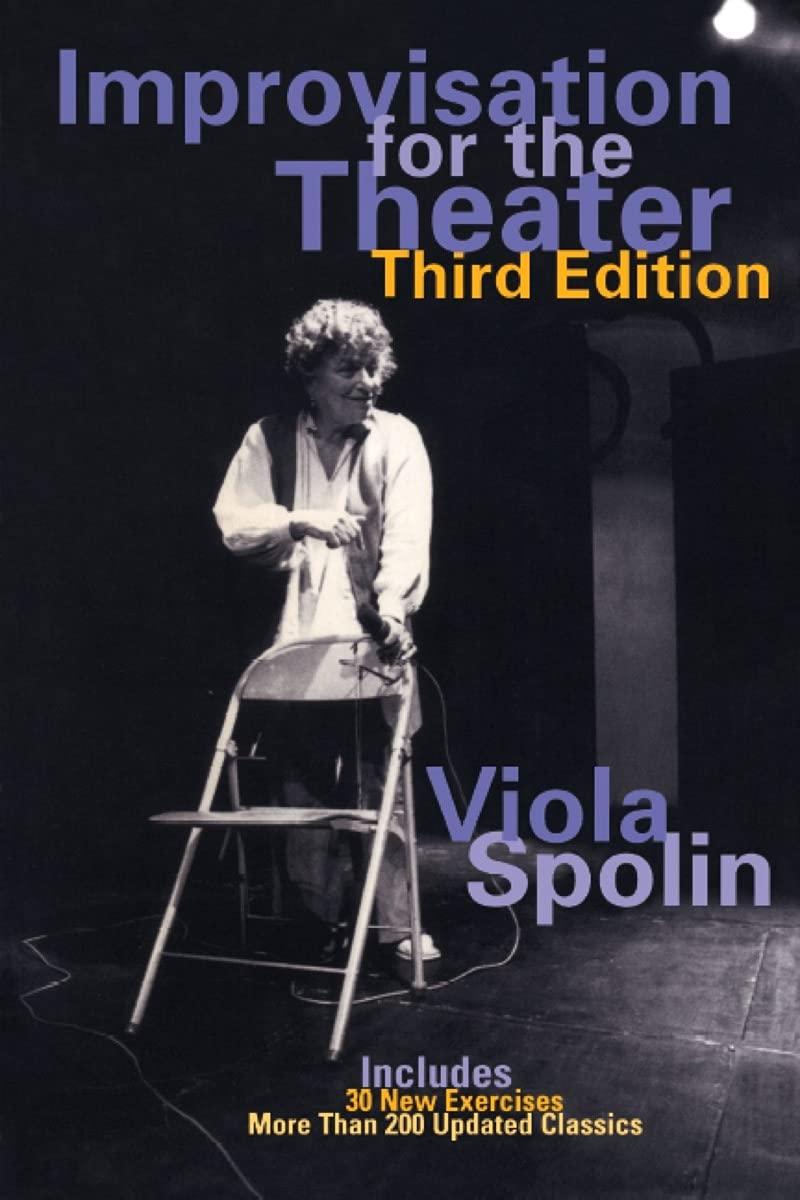
Improvisation for the Theater
A Handbook of Teaching and Directing Techniques
Viola Spolin
Related Exercises
Back to Back
Back to Back is a trust and connection exercise in which two players sit or stand with their backs pressed together and work together on a physical or verbal task without the benefit of eye contact. Common tasks include standing up simultaneously from a seated position, telling a collaborative story, or mirroring each other's movements through physical pressure alone. The absence of visual cues forces participants to communicate through weight, pressure, breath, and vocal tone, developing a physical listening channel that operates independently of sight. The exercise appears across multiple performance traditions, from Augusto Boal's Games for Actors and Non-Actors to John Abbott's The Improvisation Book, and is one of the most widely used partner exercises in both improv training and applied improvisation settings.
Scorpion
Scorpion is a physical exercise in which players move around the space with a specific body part designated as the scorpion's stinger, which other players must avoid being touched by. The exercise builds spatial awareness, physical agility, and playful competitive energy within the group.
Massage
Massage is a physical warm-up exercise in which players pair up or form a circle and give brief shoulder, neck, or back massages to release physical tension before a rehearsal or performance. The exercise builds physical trust within the ensemble, helps performers relax into their bodies, and establishes a baseline of comfortable physical contact that supports the physical scene work to follow. Massage is typically used as part of a larger warm-up sequence, often following high-energy exercises to bring the group's energy down to a focused, grounded state.
Hand Slap
Hand Slap is a quick-reflex warm-up in which two players face each other with palms resting together, one player on top and one on the bottom. The player on top attempts to slap the back of the other's hands before they can pull away; the player on the bottom attempts to withdraw their hands quickly enough to avoid the slap. The exercise builds reflexive responsiveness, physical presence, and the ability to read and react to another person's intention before they act.
Reverse Chair Dance
Reverse Chair Dance is a warm-up exercise in which players watch a leader perform a sequence of chair-based movements, then attempt to reproduce the sequence in reverse order. The exercise trains physical memory, spatial awareness, and the ability to mentally reverse a sequence of actions.
Tai Chi
Tai Chi is a physical warm-up exercise in which performers move through slow, flowing movements inspired by the martial art, building body awareness, breath control, and physical calm. The meditative quality of the exercise centers performers and prepares them for grounded, deliberate physical choices in scene work.
How to Reference This Page
The Improv Archive. (2026). Back Dancing. Retrieved September 29, 2026, from https://improvarchive.org/exercises/back-dancing
The Improv Archive. "Back Dancing." The Improv Archive, 2026. https://improvarchive.org/exercises/back-dancing.
The Improv Archive. "Back Dancing." The Improv Archive, 2026, https://improvarchive.org/exercises/back-dancing. Accessed September 29, 2026.
The Improv Archive is a systemically maintained repository. The archive itself acts as the corporate author.