Excluding
Excluding is a scene exercise in which one performer is deliberately left out of a group's activity or conversation, forcing that performer to find a way into the scene. The exercise builds awareness of inclusion and exclusion dynamics onstage and trains performers to assert themselves without bulldozing their scene partners. For the excluding group, it develops sensitivity to when sidelining behavior is blocking a scene's progress. For the excluded performer, it trains the instinct to make strong, specific offers that justify entry into the action. The exercise reveals how quickly exclusion flattens a scene and how powerful a well-timed inclusion choice can be.
Structure
Three or more performers begin a scene together. Before the scene starts, the facilitator privately designates one performer as the outsider. The remaining performers know who the outsider is.
The scene begins with the group engaged in an activity or conversation that naturally excludes the designated performer. The excluding performers do not acknowledge, respond to, or include the outsider. They maintain their focus on each other and their shared activity.
The excluded performer works to find a way into the scene. The performer makes offers, attempts to join the conversation, and looks for openings. The excluding group continues to shut the outsider out until the outsider makes an offer strong enough or specific enough that ignoring it becomes impossible.
When the outsider breaks through, the scene shifts. The group adjusts to include the new participant, and the scene continues with all performers engaged.
Variations include rotating the outsider role mid-scene, having the group exclude without knowing they are doing it (no prior designation, just a natural dynamic the facilitator identifies and coaches), and adding a second outsider who must also find separate ways in.
How to Teach It
How to Explain It
"One group has formed a club. The club has rules. The rules are unspoken. The rest of you are trying to get in. You do not know the rules. The group does not explain the rules. Find your way in, or find that you cannot."
The exercise works best when the excluding group commits fully to the exclusion without being cruel about it. The goal is not to humiliate the outsider but to create genuine dramatic pressure. Coach the excluding group to stay engaged with each other rather than actively mocking or dismissing the outsider. Passive exclusion creates more interesting scene dynamics than active rejection.
The excluded performer's instinct is often to escalate volume or physicality. Coach against this. The most effective entries come from specificity, not force. An outsider who quietly picks up an object in the scene and begins using it in a way that connects to the group's activity creates a stronger offer than one who shouts over the conversation.
Debrief by asking the group what offers the outsider made and which ones were hardest to ignore. This builds the ensemble's awareness of what constitutes a strong offer. The exercise connects directly to scene work principles: every performer onstage deserves stage time, and a scene that excludes a player wastes a resource.
The exercise also develops empathy. Performers who experience exclusion onstage become more attentive to including their scene partners in future work.
Worth Reading
See all books →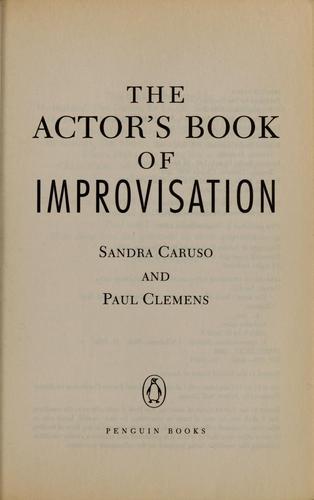
The Actor's Book of Improvisation
Sandra Caruso; Paul Clemens

The Routledge Companion to Improvisation in Organizations
Miguel Pina e Cunha; Dusya Vera; António Cunha Meneses
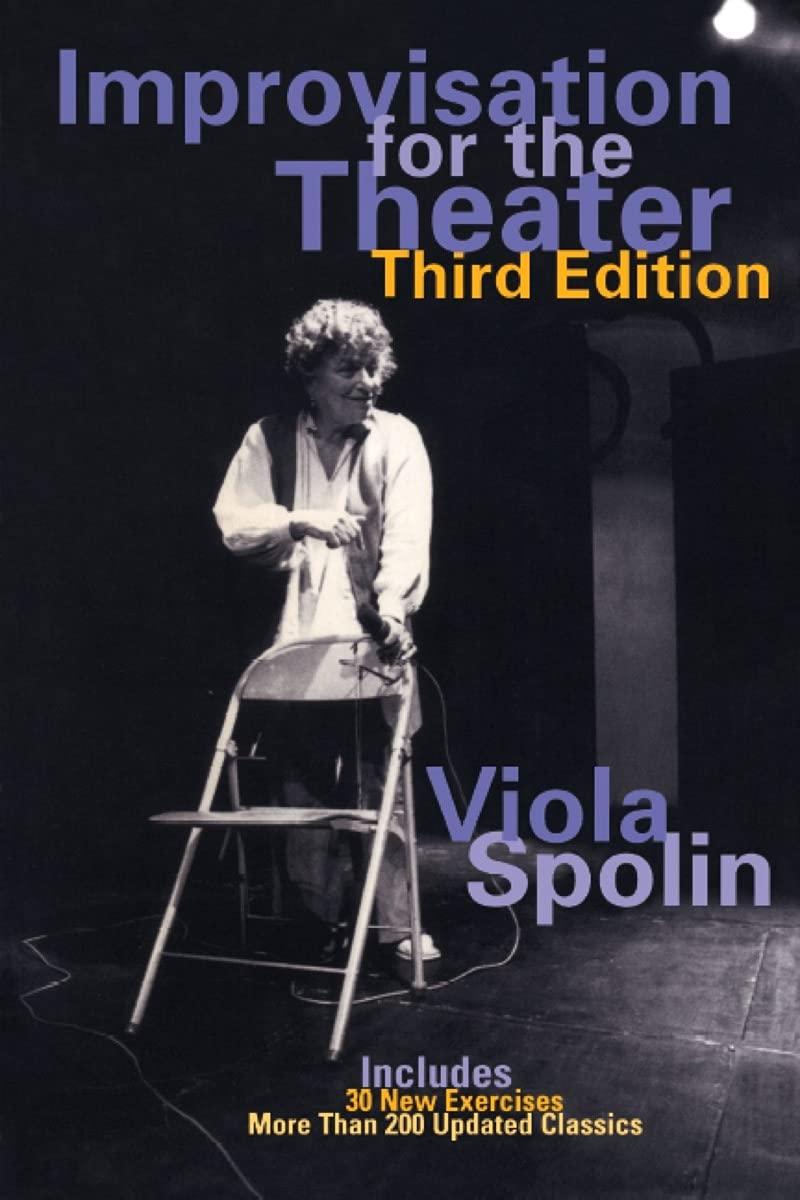
Improvisation for the Theater
A Handbook of Teaching and Directing Techniques
Viola Spolin
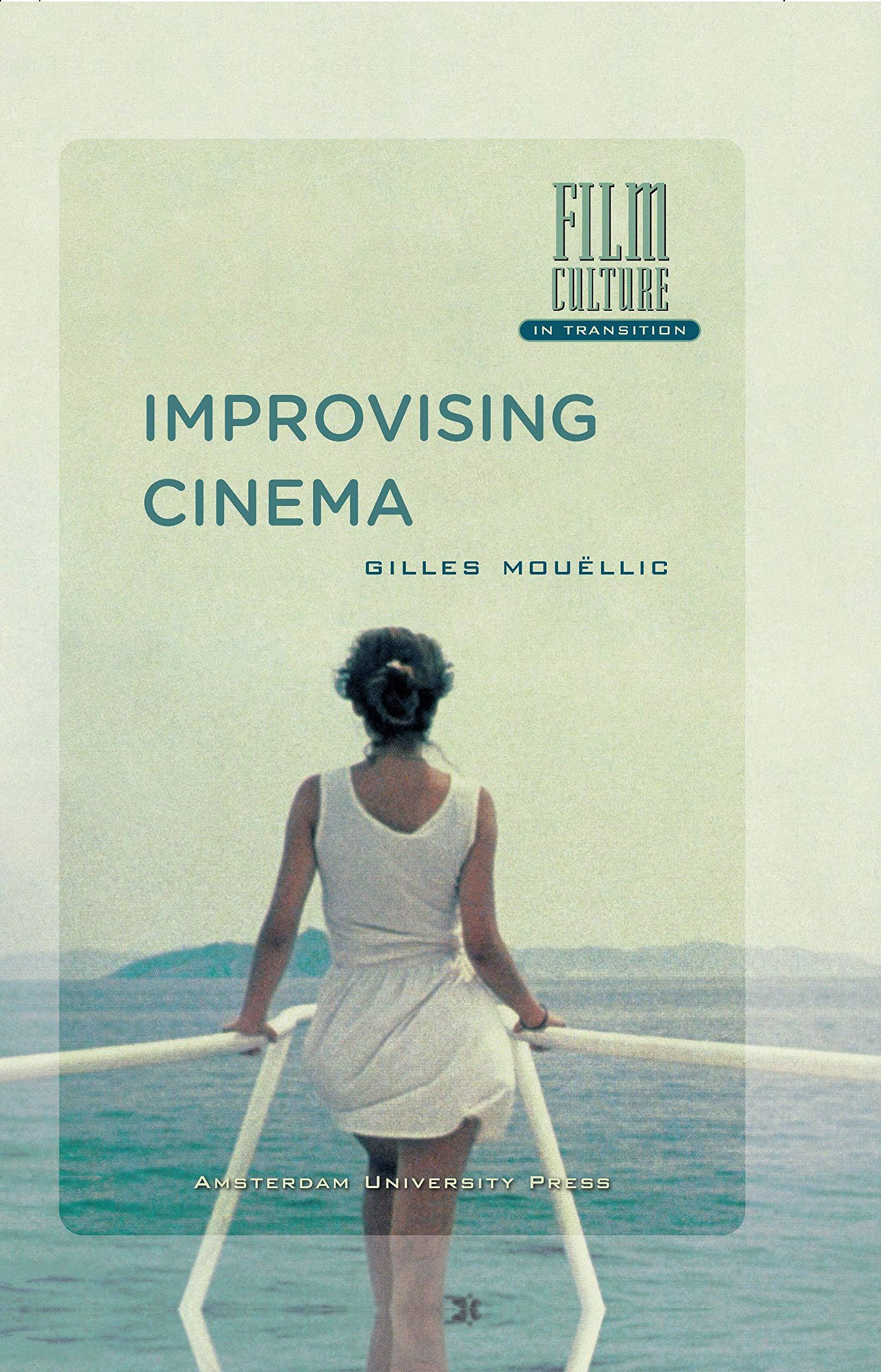
Improvising Cinema
Gilles Mouëllic
Theater Games for Rehearsal
Viola Spolin
Theater Games for the Lone Actor
Viola Spolin
Related Exercises
Asides
Asides is a scene technique game in which performers periodically break from the action to address the audience directly with their character's private thoughts. Borrowed from theatrical convention dating back to Shakespeare and the Restoration comedy tradition, the aside allows a character to reveal inner monologue, secret motives, or contradictory feelings while other characters on stage cannot hear what is said. In improv, the technique layers subtext over surface dialogue, creating dramatic irony and comedy through the gap between what characters say to each other and what they confide to the audience. The game trains performers to maintain dual awareness of both the scene and the audience, and to develop rich inner lives for their characters that extend beyond spoken dialogue.
Lets Not
Let's Not is a scene-work exercise in which performers practice recognizing and resisting the impulsive move -- the immediate next step that seems obvious after an offer is made -- and instead exploring what already exists in the scene before building further. The exercise counters the improv tendency to pile offer onto offer and trains performers to dwell productively in established scene reality.
Flatmates Just Do Nothing
Flatmates Just Do Nothing is a scene exercise in which performers play roommates engaged in completely mundane, low-stakes activity -- watching television, eating cereal, folding laundry -- with no dramatic agenda imposed from outside. The exercise trains the ability to be fully present in an ordinary moment, to find authentic relationship texture in ordinary behavior, and to trust that genuine connection and specificity are sufficient engines for scene without the need for conflict or event.
Without Words
Without Words is a scene exercise in which performers play scenes using sounds, gibberish, or silence instead of coherent language. The constraint forces communication through emotional tone, physicality, spatial relationship, and vocal texture rather than words. The exercise demonstrates that language is only one channel of theatrical communication and develops performers' physical and vocal expressiveness.
Clown 12345
Clown 12345 is a clowning exercise that progresses through five numbered stages of physical and emotional exposure, developing performers' comfort with presence, visibility, and playful self-expression. Each stage increases the degree to which the performer is fully available to be seen, culminating in full clown engagement with no protective distance between the performer and the audience.
Silent Organization
Silent Organization is an applied improvisation exercise in which the group must arrange themselves in a specific order without using any words, relying only on eye contact, gestures, and nonverbal negotiation. The exercise reveals how much communication is possible without language and how groups self-organize under constraint.
How to Reference This Page
The Improv Archive. (2026). Excluding. Retrieved September 28, 2026, from https://improvarchive.org/exercises/excluding
The Improv Archive. "Excluding." The Improv Archive, 2026. https://improvarchive.org/exercises/excluding.
The Improv Archive. "Excluding." The Improv Archive, 2026, https://improvarchive.org/exercises/excluding. Accessed September 28, 2026.
The Improv Archive is a systemically maintained repository. The archive itself acts as the corporate author.