Lets Not
Let's Not is a scene-work exercise in which performers practice recognizing and resisting the impulsive move -- the immediate next step that seems obvious after an offer is made -- and instead exploring what already exists in the scene before building further. The exercise counters the improv tendency to pile offer onto offer and trains performers to dwell productively in established scene reality.
Structure
Setup
Two performers begin a scene. The facilitator establishes the rule: whenever a performer feels the impulse to introduce a new offer, initiate a new action, or escalate a situation, they should pause and explore what is already present before acting on the impulse.
Progression
The scene plays. When a performer reaches an obvious next step -- the natural place to introduce a new character, make a revelation, or heighten the stakes -- they instead stay with what is already in the scene. They explore the existing offer more deeply: the relationship, the emotional state, the physical world.
The facilitator may call "Let's not" when they observe a performer about to move to the next obvious beat, redirecting them back into the depth of what is already established.
Conclusion
The exercise concludes after performers have experienced extended scenes that develop existing material fully rather than advancing through a rapid sequence of new offers.
How to Teach It
Objectives
Let's Not targets patience and the ability to mine the material already present in a scene before reaching for more. It addresses the improv habit of forward momentum at the expense of depth -- getting somewhere fast while passing over the richest material available.
How to Explain It
"You're about to do the next thing. Don't. Stay where you are. What's already in the room? What haven't you fully felt, said, or done yet? The scene usually has more in it than you've used. Find that before you reach for something new."
Scaffolding
Begin by explicitly naming the scene's established elements before the exercise starts -- who the characters are, what the environment is, what has already happened. This gives performers a clear inventory of the existing scene material to return to.
Common Pitfalls
Performers sometimes mistake Let's Not for a mandate to do nothing, resulting in stasis rather than depth. The exercise is not about slowing down externally but about directing energy inward -- into the emotional depth, the physical detail, and the relational texture of what is already present rather than what might come next.
Worth Reading
See all books →
Improvising Now
A Practical Guide to Modern Improv
Rob Norman
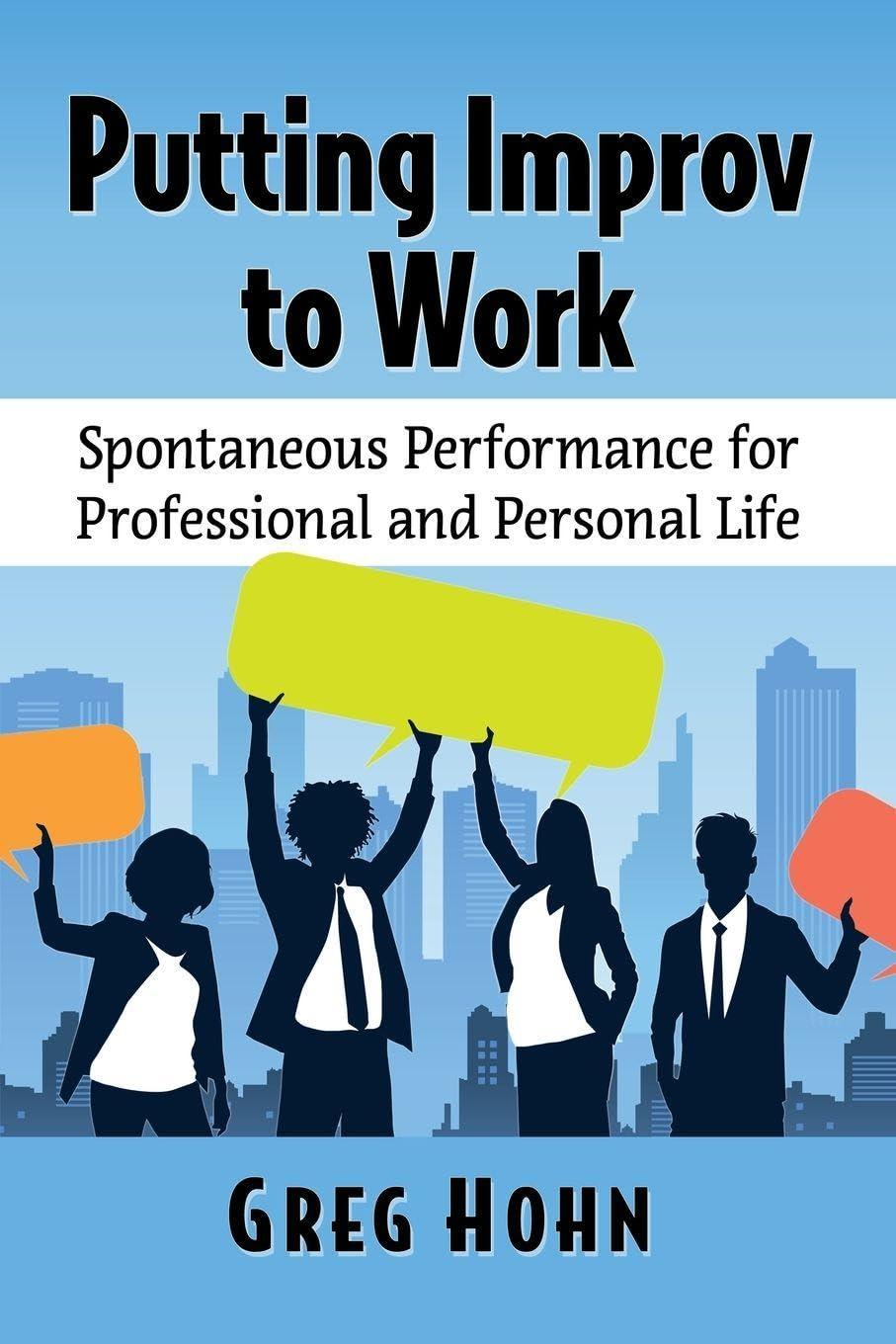
Putting Improv to Work
Spontaneous Performance for Leadership, Learning, and Life
Greg Hohn

Impro
Improvisation and the Theatre
Keith Johnstone
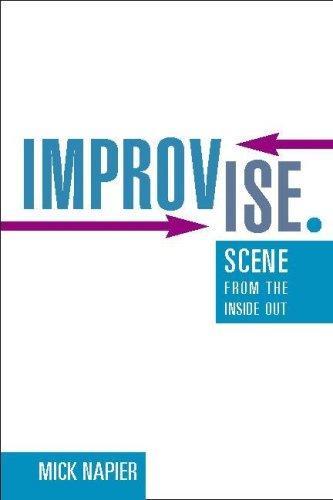
Improvise
Scene from the Inside Out
Mick Napier

The 5 Elements of Improv
How to Take Your Improv to the Next Level
Andrew M. Spragge; Karen L. Eichler

The Art of Making Sh!t Up
Using the Principles of Improv to Become an Unstoppable Powerhouse
Norm LaViolette; Bob Melley
Related Exercises
Let Go
Let Go is an applied improv exercise in which participants practice releasing attachment to a fixed idea, plan, or direction and accepting a changed course offered by the group or a partner. Drawn from applied improv practice, the exercise trains adaptability and the psychological skill of redirecting investment from a discarded option toward a new one without resistance, resentment, or prolonged negotiation.
Non Sequitor
Non Sequitur is a hybrid game and exercise in which performers deliberately break logical connections between lines of dialogue, forcing each new statement to have no apparent relationship to the one before it. The exercise trains performers to let go of the need to make sense, builds comfort with absurdity, and paradoxically reveals how audiences will construct meaning even from disconnected material.
Location, Relationship, Escalate, End
Location, Relationship, Escalate, End is a scene construction exercise in which performers build a scene through four discrete, progressive stages: first establishing a specific physical location, then establishing the specific relationship between the characters, then escalating the scene through increasing stakes or emotional intensity, and finally bringing it to a definitive end. The exercise provides a structured scaffold for scene construction and trains performers to execute each element with commitment and specificity before moving to the next.
Blocked Vs. Unblocked Scenes
Blocked Vs. Unblocked Scenes is a comparative exercise in which performers play the same scene twice: once using denial and blocking, and once fully accepting every offer. The side-by-side contrast vividly demonstrates how blocking kills momentum while acceptance generates possibilities. It is one of the most effective tools for teaching the principle of agreement.
Flatmates Just Do Nothing
Flatmates Just Do Nothing is a scene exercise in which performers play roommates engaged in completely mundane, low-stakes activity -- watching television, eating cereal, folding laundry -- with no dramatic agenda imposed from outside. The exercise trains the ability to be fully present in an ordinary moment, to find authentic relationship texture in ordinary behavior, and to trust that genuine connection and specificity are sufficient engines for scene without the need for conflict or event.
Rewind and Unblock
Rewind and Unblock is a coaching exercise in which a facilitator stops a scene at a point where it has stalled or gone off track, rewinds to a specific moment, and asks the performers to make a different choice. The exercise teaches performers to recognize blocking patterns and practice alternative responses in real time.
How to Reference This Page
The Improv Archive. (2026). Lets Not. Retrieved September 28, 2026, from https://improvarchive.org/exercises/lets-not
The Improv Archive. "Lets Not." The Improv Archive, 2026. https://improvarchive.org/exercises/lets-not.
The Improv Archive. "Lets Not." The Improv Archive, 2026, https://improvarchive.org/exercises/lets-not. Accessed September 28, 2026.
The Improv Archive is a systemically maintained repository. The archive itself acts as the corporate author.