Eye to Eye
Eye to Eye is a connection exercise in which pairs of players maintain sustained eye contact while performing various tasks or simply standing still. The exercise builds comfort with direct human connection and the vulnerability of being truly seen. It develops the focused attention that strong scene partnerships require.
Worth Reading
See all books →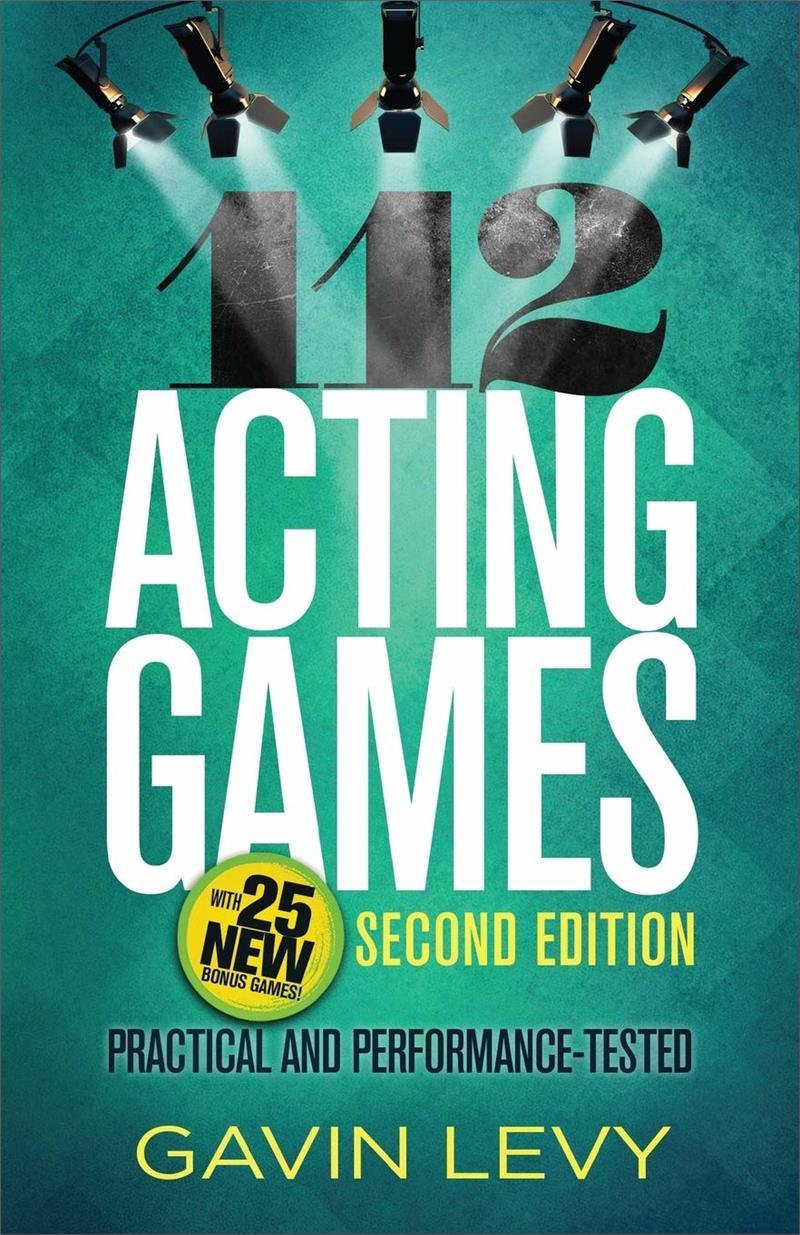
112 Acting Games
Gavin Levy

Business Improv
Experiential Learning Exercises to Train Employees
Val Gee

Acting Through Improv
Improv Through Theatresports
Lynda Belt; Rebecca Stockley
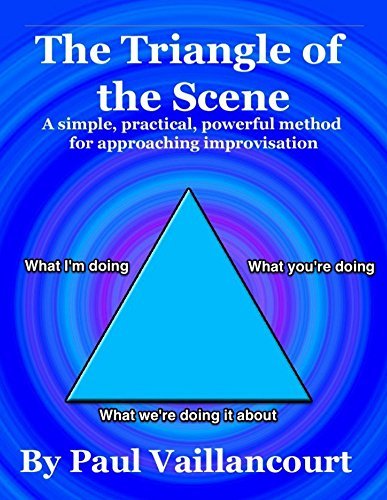
The Triangle of the Scene
A Simple, Practical, Powerful Method for Approaching Improvisation
Paul Vaillancourt

Playing Along
37 Group Learning Activities Borrowed from Improvisational Theater
Izzy Gesell

Mask Improvisation for Actor Training and Performance
the compelling image
Sears A. Eldredge
Related Exercises
Group Stare
Group Stare is a focus and connection exercise in which the entire group attempts to make and hold eye contact with every other member, one at a time. The exercise builds a sense of collective presence and mutual acknowledgment. It establishes the foundation of ensemble trust through the simple act of truly seeing each other.
Learn to Be Looked At
Learn to Be Looked At is an applied improv exercise in which participants practice being the subject of others' attention without deflecting, performing, or withdrawing. The exercise addresses the discomfort most people feel when held in a sustained gaze and trains the capacity to remain present, open, and grounded while being observed -- a foundational skill for anyone who presents, leads, or regularly holds attention in professional or public settings.
Back to Back
Back to Back is a trust and connection exercise in which two players sit or stand with their backs pressed together and work together on a physical or verbal task without the benefit of eye contact. Common tasks include standing up simultaneously from a seated position, telling a collaborative story, or mirroring each other's movements through physical pressure alone. The absence of visual cues forces participants to communicate through weight, pressure, breath, and vocal tone, developing a physical listening channel that operates independently of sight. The exercise appears across multiple performance traditions, from Augusto Boal's Games for Actors and Non-Actors to John Abbott's The Improvisation Book, and is one of the most widely used partner exercises in both improv training and applied improvisation settings.
Jeepers Peepers
Jeepers Peepers is a sustained eye contact exercise in which participants practice maintaining direct, unbroken eye contact with one partner for an extended period. The exercise works with the discomfort most people feel when held in a steady gaze and trains performers to remain present and available in the most intimate and demanding form of on-stage connection.
Touch to Talk
Touch to Talk is a scene exercise in which performers may only speak while physically touching another player or an object in the environment. The constraint forces players to make physical contact meaningful and teaches the connection between physical engagement and verbal expression.
Observe
Observe is an applied improvisation exercise in which participants practice deliberate, sustained observation of their environment, other people, or a group dynamic without intervening, interpreting, or acting. The exercise trains the foundational skill of seeing clearly before responding -- a capacity that underpins effective leadership, facilitation, and collaborative work.
The Lineage
Explore the schools and structures that influenced or evolved from Eye to Eye.
112 Acting Games (Levy)
How to Reference This Page
The Improv Archive. (2026). Eye to Eye. Retrieved September 28, 2026, from https://improvarchive.org/exercises/eye-to-eye
The Improv Archive. "Eye to Eye." The Improv Archive, 2026. https://improvarchive.org/exercises/eye-to-eye.
The Improv Archive. "Eye to Eye." The Improv Archive, 2026, https://improvarchive.org/exercises/eye-to-eye. Accessed September 28, 2026.
The Improv Archive is a systemically maintained repository. The archive itself acts as the corporate author.