Freeze Tag Round Two
Freeze Tag Round Two extends Round One by requiring the entering player to justify their physical choice with one short sentence or action immediately after entering. Rather than simply completing a frozen picture silently, the entering player establishes a brief scene -- naming the relationship, the situation, or the location -- before both players are released. The addition of verbal justification trains the integration of physical and narrative scene-building.
Structure
Setup
Same as Freeze Tag Round One: all participants stand in a circle around a cleared center space.
Progression
The first player enters and freezes in a committed physical pose. The second player enters and adds their body to complete the picture -- as in Round One -- but then immediately justifies their physical choice with a short spoken line: a greeting, a declaration of the situation, or a statement of relationship.
Examples: entering to crouch beside a frozen player could produce "Doctor, can you hear me?" or "There it is -- I knew the treasure was buried here" or "You always fall asleep right when dinner is ready."
Both players may briefly continue the scene -- one or two additional exchanges -- before being called out and replaced by the next pair.
Conclusion
The exercise rotates until all participants have played both roles. The debrief focuses on how the verbal justification changed the reading of the physical picture.
How to Teach It
Objectives
Freeze Tag Round Two develops the integration of physical and narrative scene-building, the discipline of justifying physical choices through dialogue, and the awareness that the same physical configuration can support multiple scenes depending on the first spoken line.
How to Explain It
"Enter and complete the picture -- just like before. But then immediately say the first line of the scene. One sentence. Make the picture and the words agree."
Scaffolding
Run Round One before Round Two. The physical reading skill built in Round One is the foundation for the verbal justification skill in Round Two. Groups who move directly to Round Two without Round One often produce disjointed physical and verbal choices.
Common Pitfalls
The verbal justification sometimes contradicts or ignores the physical picture rather than explaining it. The coaching note is that a strong first line makes the pose feel inevitable -- the two elements should read as one statement rather than as a pose plus an explanation.
In Applied Settings
Learning Objectives
In applied settings, Freeze Tag Round Two develops the capacity to make a physical or social read and then articulate it clearly -- the combination of observation and expression that is essential in coaching, facilitation, leadership, and high-stakes communication. The exercise trains the gap between reading a situation and naming what was read: both are necessary, and the naming must be accurate to be useful.
Workplace Transfer
The transfer is to any professional context requiring situational awareness followed by clear communication: a leader reading a team's emotional state and naming it before proceeding, a facilitator reading a group dynamic and intervening with precision, or a collaborator reading a colleague's resistance and finding the right entry. The exercise builds confidence in speaking what was seen rather than waiting for certainty.
Facilitation Context
Freeze Tag Round Two is used in communication skills development, coaching skills training, and leadership programs. It works well as a direct continuation of Round One in the same session. Groups of 10 to 25 work well.
Debrief Framing
Ask participants: "Did your sentence match the picture you were in? What happened when it did -- and when it didn't? When in your work do you read a situation and then need to name it clearly to move things forward?"
Skills Developed
Worth Reading
See all books →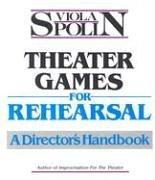
Theater Games for Rehearsal
Viola Spolin
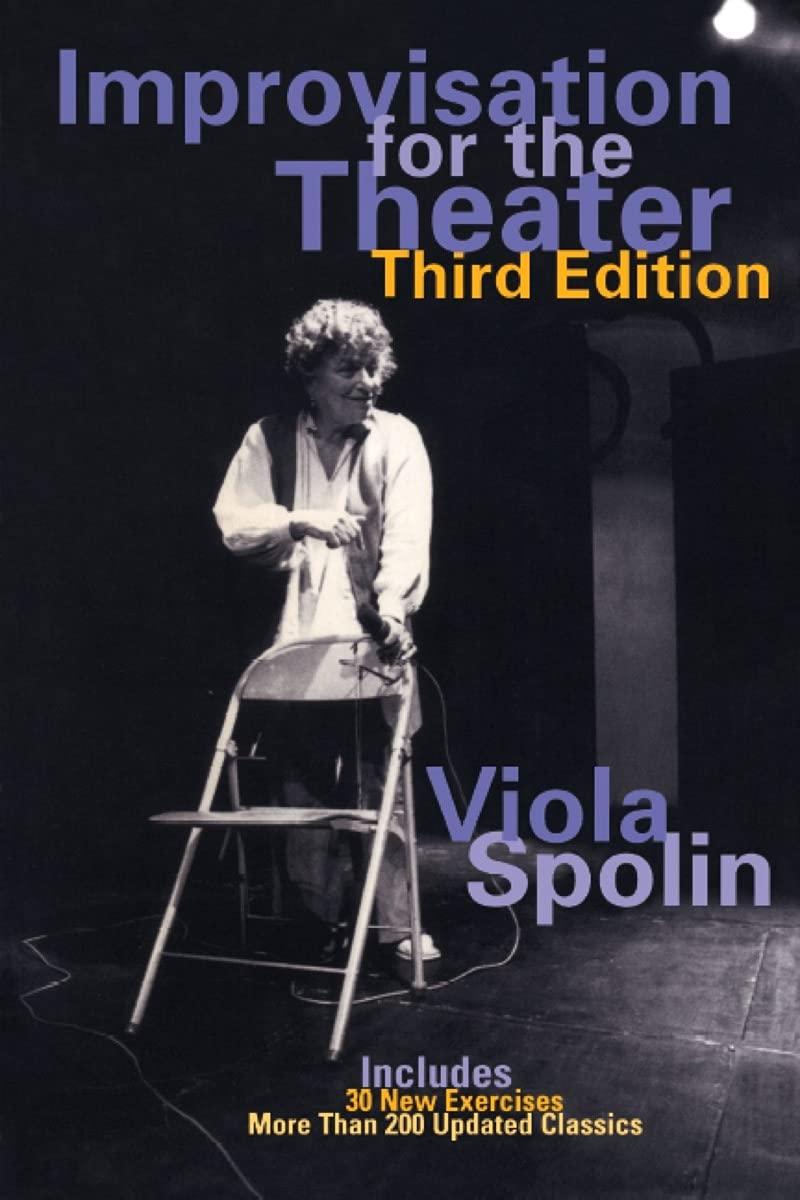
Improvisation for the Theater
A Handbook of Teaching and Directing Techniques
Viola Spolin
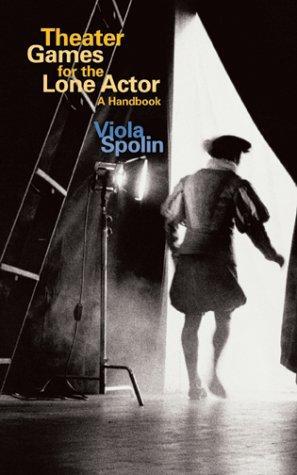
Theater Games for the Lone Actor
Viola Spolin
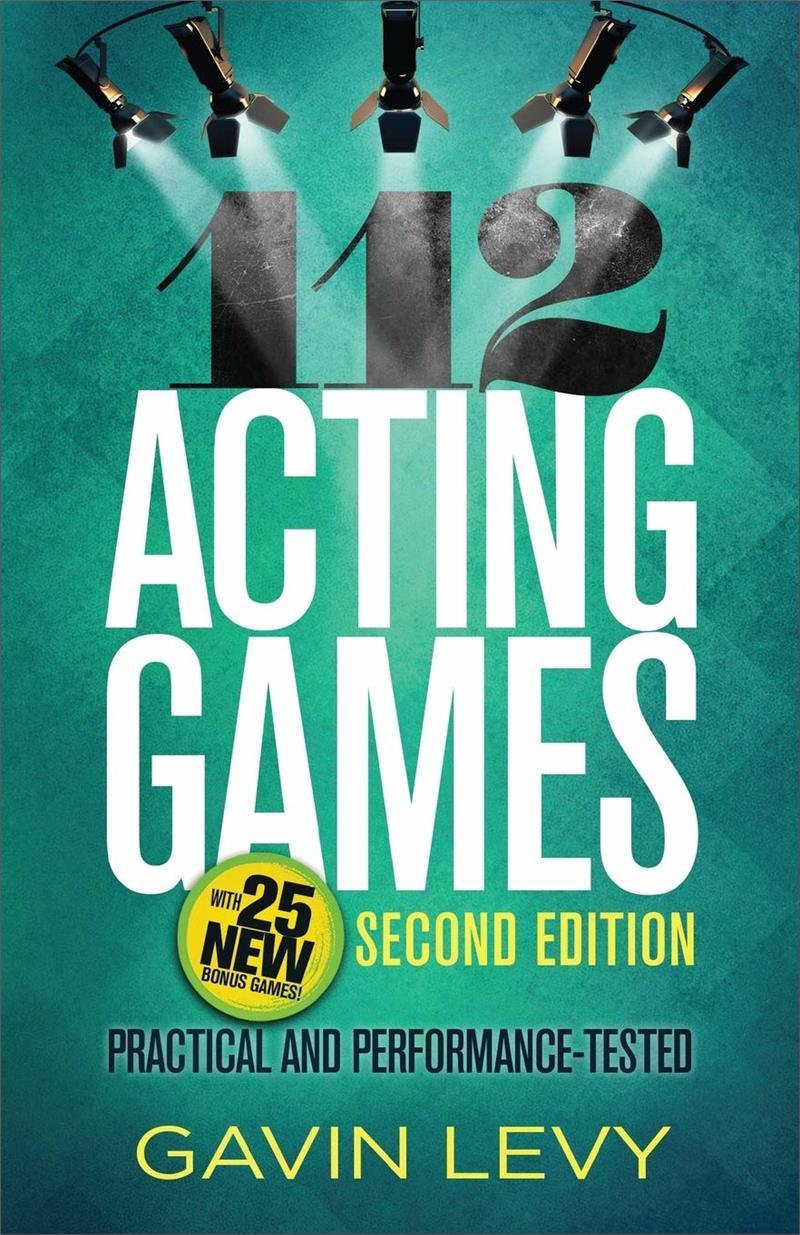
112 Acting Games
Gavin Levy

The Young Actor's Book of Improvisation
Dramatic Situations
Sandra Caruso; Susan Kosoff

Improvisation Starters
A Collection of 900 Improvisation Situations for the Theater
Philip Bernardi
Related Exercises
Freeze Tag Round One
Freeze Tag Round One is an applied improv exercise in which one person strikes a physical pose in the center of a circle and freezes. The next person enters and completes the picture -- adding themselves physically to create a scene with the frozen player. The exercise develops spatial reading, physical commitment, and the ability to find a scene within a tableau without verbal negotiation.
Freeze Tag
Freeze Tag is one of the most widely performed short-form improv games across all traditions. Two players begin a scene; at any point, a player on the sidelines calls "Freeze" and the performers stop in their exact physical positions. The caller taps out one performer, assumes that performer's frozen pose, and initiates an entirely new scene inspired by the inherited body position. The game rewards quick associative thinking, bold physical initiations, and the ability to find new meaning in an existing tableau. Freeze Tag is a staple of short-form shows, improv classes, and workshop warm-ups worldwide.
Final Freeze
Final Freeze is an exercise in which players improvise a scene that must end in a specific physical tableau or frozen image called by the facilitator or agreed upon in advance. The scene must arrive at the designated freeze organically through the scene's own logic rather than forcing its way there artificially. The exercise develops narrative construction skills and the ability to engineer a predetermined ending from a completely open beginning.
Strike a Pose
Strike a Pose is a physical exercise in which players assume strong, committed physical positions and use each pose as a starting point for character, scene, or interpretive discovery. The exercise demonstrates that physical choices precede and inform emotional and character choices, rather than following from them. Multiple documented variants use the same core mechanic of striking and holding a pose to develop ensemble responsiveness, scene inspiration, and interpretive skill.
Group Freeze
Group Freeze is a variation of Freeze Tag in which the entire ensemble participates simultaneously rather than tagging in one at a time. When a freeze is called, all performers stop in position, and any player can initiate the next scene from any frozen body in the tableau. The group format creates a faster pace, a wider variety of stage pictures, and greater collective responsibility for the game's momentum. Every performer is always on stage and always available to initiate.
Family Portraits
Family Portraits is a physical tableau exercise in which players freeze into group images depicting families in various situations, relationships, or emotional states. The facilitator calls a scenario and players instantly arrange themselves into a frozen portrait without discussion. The exercise develops spatial awareness, physical storytelling, and the ability to read and contribute to a group image in real time.
The Lineage
Explore the schools and structures that influenced or evolved from Freeze Tag Round Two.
Improv to Improve Your Leadership Team (Campbell)
How to Reference This Page
The Improv Archive. (2026). Freeze Tag Round Two. Retrieved September 28, 2026, from https://improvarchive.org/exercises/freeze-tag-round-two
The Improv Archive. "Freeze Tag Round Two." The Improv Archive, 2026. https://improvarchive.org/exercises/freeze-tag-round-two.
The Improv Archive. "Freeze Tag Round Two." The Improv Archive, 2026, https://improvarchive.org/exercises/freeze-tag-round-two. Accessed September 28, 2026.
The Improv Archive is a systemically maintained repository. The archive itself acts as the corporate author.