Freeze Tag
Freeze Tag is one of the most widely performed short-form improv games across all traditions. Two players begin a scene; at any point, a player on the sidelines calls "Freeze" and the performers stop in their exact physical positions. The caller taps out one performer, assumes that performer's frozen pose, and initiates an entirely new scene inspired by the inherited body position. The game rewards quick associative thinking, bold physical initiations, and the ability to find new meaning in an existing tableau. Freeze Tag is a staple of short-form shows, improv classes, and workshop warm-ups worldwide.
Structure
Two performers begin a scene based on an audience suggestion. They play the scene with physical commitment, moving through the space and creating distinct body positions.
At any moment, a player on the sidelines calls "Freeze." Both performers stop instantly in their current positions and hold the tableau. The caller enters the stage, taps one of the frozen performers on the shoulder, and that performer exits. The caller takes the exiting performer's exact physical position.
The caller then initiates a completely new scene. The new scene must be justified by the inherited body position but is otherwise unrelated to the previous scene. A performer frozen in a crouching position was tying a shoe in the previous scene but becomes a catcher behind home plate in the new one.
The remaining performer from the original scene adapts to the new initiation. A new two-person scene develops until another sideline player calls "Freeze" and the cycle repeats.
The game continues with rapid scene turnover. Each new scene lasts anywhere from a few seconds to a minute before the next freeze is called. The pace typically accelerates as performers warm up and the game builds momentum.
How to Teach It
How to Explain It
"Two players start a scene. Anyone on the outside can call 'freeze' at any point. The two players freeze in their exact positions. The caller taps one of the frozen players out, takes their exact position, and starts a brand new scene inspired by that physical position. The scene is completely different from what came before."
Freeze Tag is often the first improv game students learn and remains one of the most effective teaching tools at every level. For beginners, it teaches the foundational skill of physical commitment and the principle that body position generates scene ideas. For advanced performers, it trains rapid initiation and the ability to find meaning in any physical configuration.
The most common failure is performers calling freeze without a plan. Coach students to watch the stage, identify a moment when the physical tableau suggests a new scene, and enter with their first line ready. The freeze-to-initiation gap should be as short as possible.
Another frequent problem is performers making only verbal initiations that ignore the physical position. If a caller assumes a pose with arms outstretched and then drops the arms to have a neutral conversation, the game's mechanism is wasted. Coach for physical justification first.
The exercise also teaches editing instincts. Students learn to recognize when a scene has peaked and a freeze will serve the game's energy better than letting the scene continue. This judgment transfers directly to long-form editing skills.
How to Perform It
Speed and commitment to the physical position drive the game. The funniest Freeze Tag moments come from performers who fully commit to the inherited pose and find a surprising new context for it. Performers who adjust the pose to fit a predetermined idea lose the game's generative engine.
The initiation after the freeze must be immediate and clear. A performer who assumes the position and then stands in silence while thinking has killed the game's momentum. The new scene begins with the first words out of the caller's mouth, and those words should establish a new reality instantly.
Sideline players should watch for strong physical tableaux. The best freeze moments come when the performers onstage are in dynamic, unusual positions. Calling freeze when both performers are standing upright in a neutral position gives the incoming player nothing to work with.
The game's energy builds through pace. Early scenes can run longer to establish the game's rhythm, but as the show progresses, faster turnover creates escalating energy. The audience responds to the speed of transformation from one reality to another.
Worth Reading
See all books →
Theatrical Improvisation
Short Form, Long Form, and Sketch-Based Improv
Jeanne Leep

The Art of Chicago Improv
Short Cuts to Long-Form Improvisation
Rob Kozlowski
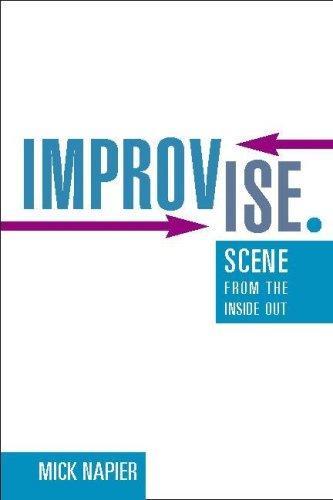
Improvise
Scene from the Inside Out
Mick Napier
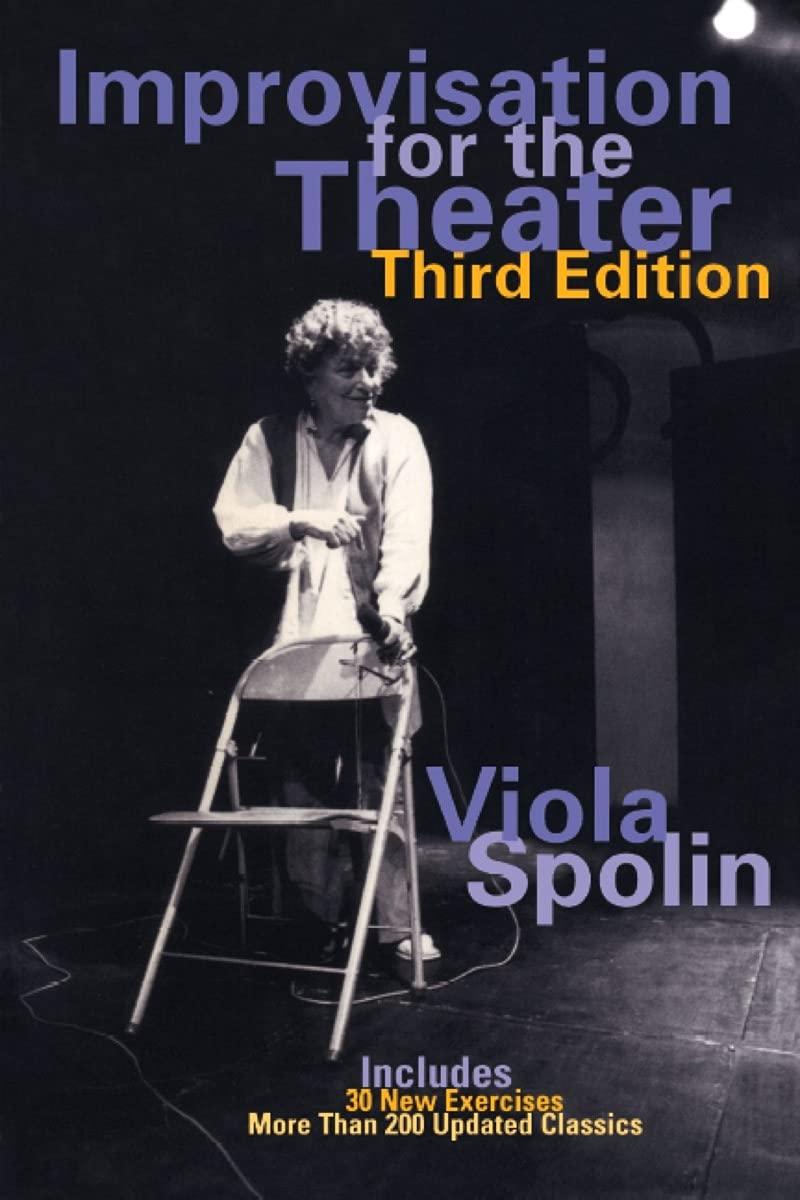
Improvisation for the Theater
A Handbook of Teaching and Directing Techniques
Viola Spolin

The Improv Handbook
The Ultimate Guide to Improvising in Comedy, Theatre, and Beyond
Tom Salinsky; Deborah Frances-White

Acting Through Improv
Improv Through Theatresports
Lynda Belt; Rebecca Stockley
Related Exercises
Freeze Tag Round One
Freeze Tag Round One is an applied improv exercise in which one person strikes a physical pose in the center of a circle and freezes. The next person enters and completes the picture -- adding themselves physically to create a scene with the frozen player. The exercise develops spatial reading, physical commitment, and the ability to find a scene within a tableau without verbal negotiation.
Group Freeze
Group Freeze is a variation of Freeze Tag in which the entire ensemble participates simultaneously rather than tagging in one at a time. When a freeze is called, all performers stop in position, and any player can initiate the next scene from any frozen body in the tableau. The group format creates a faster pace, a wider variety of stage pictures, and greater collective responsibility for the game's momentum. Every performer is always on stage and always available to initiate.
Freeze Tag Round Two
Freeze Tag Round Two extends Round One by requiring the entering player to justify their physical choice with one short sentence or action immediately after entering. Rather than simply completing a frozen picture silently, the entering player establishes a brief scene -- naming the relationship, the situation, or the location -- before both players are released. The addition of verbal justification trains the integration of physical and narrative scene-building.
Play Tag
Play Tag is a physical warm-up exercise that adapts the universal children's game of tag for an improv workshop setting. One player is designated as "it" and pursues others within the defined playing space; tagged players become "it" and must pursue the next player. The exercise builds physical energy, spatial awareness, and the embodied experience of ensemble interdependence before scene work begins.
Slomo Tag
Slomo Tag is a warm-up exercise in which players play tag entirely in slow motion, pursuing and evading at a fraction of normal speed. The deliberate pace transforms a simple childhood game into an exercise in physical control, spatial awareness, and sustained commitment.
Foot Touch Tag
Foot Touch Tag is a warm-up variant of tag in which players can only tag each other by touching another player's foot with their own foot. The constraint changes the physical logic of the game entirely: rather than running and dodging at full speed, players must get low, stay in close range, and use lateral footwork to both pursue and protect. The exercise raises physical energy, develops agility and spatial awareness, and generates genuine group play in a physically unusual register.
The Lineage
Explore the schools and structures that influenced or evolved from Freeze Tag.
112 Acting Games (Levy)
How to Reference This Page
The Improv Archive. (2026). Freeze Tag. Retrieved September 28, 2026, from https://improvarchive.org/exercises/freeze-tag
The Improv Archive. "Freeze Tag." The Improv Archive, 2026. https://improvarchive.org/exercises/freeze-tag.
The Improv Archive. "Freeze Tag." The Improv Archive, 2026, https://improvarchive.org/exercises/freeze-tag. Accessed September 28, 2026.
The Improv Archive is a systemically maintained repository. The archive itself acts as the corporate author.