Heartbeat
Heartbeat is a focus and relaxation exercise in which players find their own pulse and use the rhythm as a centering tool. The heartbeat becomes an anchor for concentration and physical presence, quieting external distractions and connecting performers to their own bodies before work begins. The exercise creates a transition from the outside world into the rehearsal or performance space, establishing the focused, present state that improvisation requires.
Structure
Players spread out through the space and find a comfortable position, standing or seated. The facilitator instructs them to find their pulse, either at the wrist or the neck, and focus their attention entirely on the rhythm.
Players close their eyes and listen to the beat. The facilitator allows two to three minutes of silence, during which players concentrate on nothing but the physical sensation of their own pulse. The external environment falls away as attention narrows to this single point of focus.
The facilitator then guides players to notice the rhythm without trying to change it. The heartbeat is not something the performer controls; it is something the performer observes. This distinction between doing and observing is central to the exercise's purpose.
Variations expand the exercise outward. Players open their eyes and begin walking through the space at the tempo of their heartbeat. Players pair up and attempt to synchronize their walking pace, finding a shared rhythm. The group comes together and moves as a unit, adjusting to a collective tempo.
The exercise concludes with a moment of stillness. Players release their focus on the pulse and notice how their state of attention has shifted from the beginning of the exercise.
How to Teach It
How to Explain It
"Find a place to stand. Feel your heartbeat. You do not need to take your pulse: just breathe and find the rhythm that is already there. We are going to begin the session from this place."
Heartbeat is most effective at the very beginning of a session, before any other warm-up activity. The exercise functions as a transition ritual, marking the shift from daily life into the creative space. Groups that begin with Heartbeat consistently arrive at their first exercise more focused and physically present.
Some players struggle to find their pulse. This is normal and does not diminish the exercise's value. The act of searching for the pulse still produces the inward focus the exercise aims to create. Offer alternative focal points (breathing rhythm, the feeling of weight through the feet) for players who cannot locate their heartbeat.
The exercise teaches the distinction between active effort and receptive awareness. Performers who try to control or steady their heartbeat are doing; performers who notice it without interference are observing. This observational stance transfers directly to scene work, where the best responses come from noticing what is happening rather than forcing what should happen.
Keep the exercise brief. Three to five minutes of focused attention is sufficient. Extending the exercise beyond its natural duration creates restlessness that undermines the centering effect.
Worth Reading
See all books →
Long Form Improvisation and American Comedy
The Harold
Matt Fotis
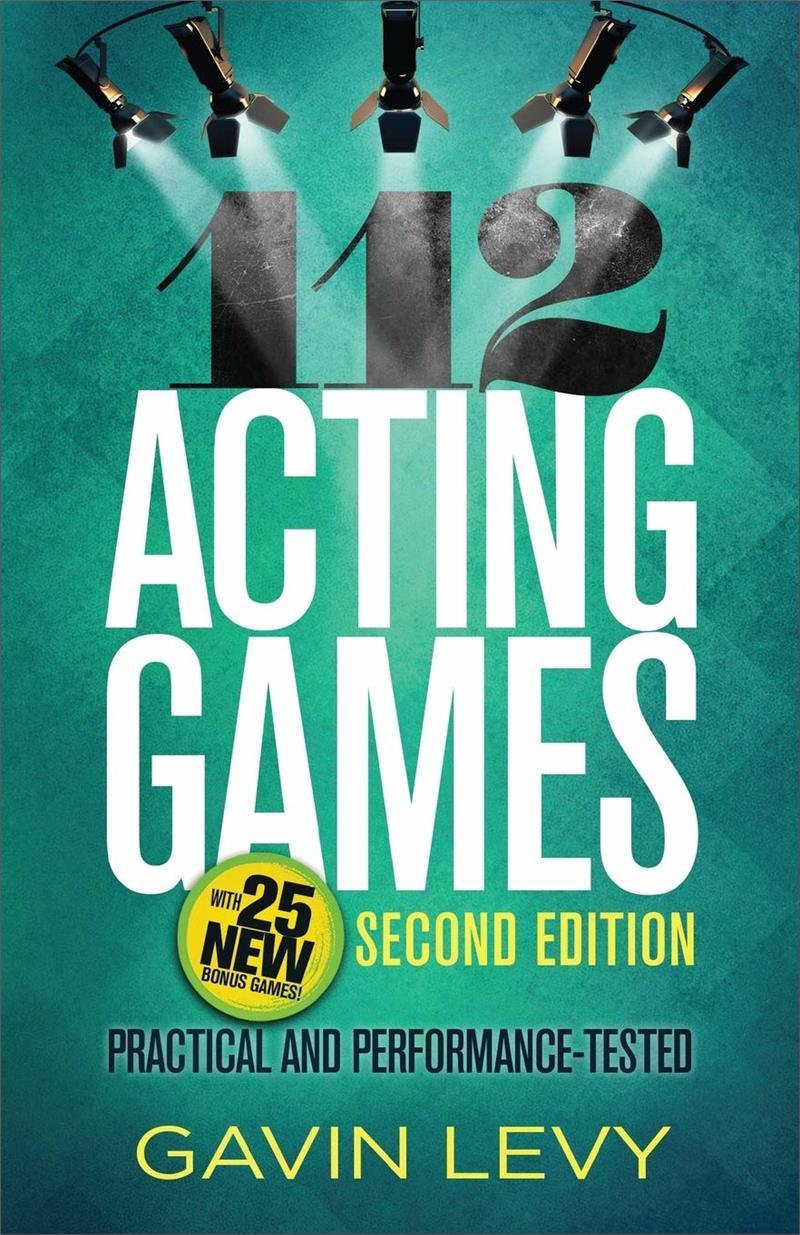
112 Acting Games
Gavin Levy
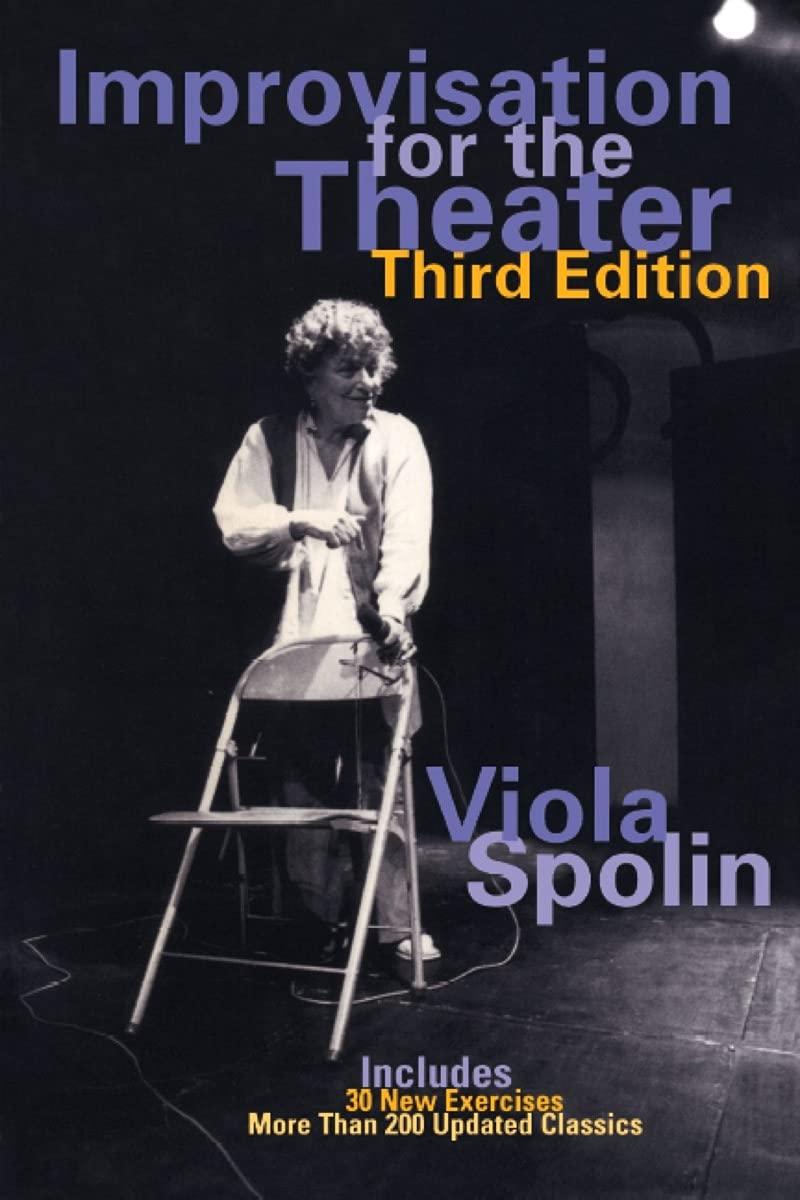
Improvisation for the Theater
A Handbook of Teaching and Directing Techniques
Viola Spolin

Embodied Playwriting
Improv and Acting Exercises for Writing
Hillary Haft Bucs; Charissa Menefee
The Improvisation Game
Discovering the Secrets of Spontaneous Performance
Chris Johnston

The 5 Elements of Improv
How to Take Your Improv to the Next Level
Andrew M. Spragge; Karen L. Eichler
Related Exercises
Breathing
Breathing is a foundational warm-up exercise in which performers practice controlled inhalation and exhalation to release physical tension, quiet mental chatter, and center their focus before rehearsal or performance. Variations include diaphragmatic breathing, counted breath patterns, and synchronized group breathing in which an ensemble inhales and exhales together. The exercise builds awareness of the body as an instrument, training performers to recognize and release habitual tension patterns that restrict vocal production, physical freedom, and emotional availability. Breathing exercises appear across virtually every performance training tradition, from Viola Spolin's theatre games to Augusto Boal's actor preparation sequences, and remain one of the most universally practiced warm-up activities in both theatrical and applied improvisation contexts.
Synchronised Clapping
Synchronised Clapping is a group focus exercise in which players clap together in rhythm, gradually increasing complexity by adding variations, syncopations, or polyrhythms. The exercise develops listening, rhythmic awareness, and the ability to maintain individual precision within a collective pattern.
Synchro Clap
Synchro Clap is a group focus exercise in which players attempt to clap simultaneously without any verbal coordination or designated leader. The exercise develops ensemble awareness and the ability to read and respond to the group's collective energy.
Give and Take
Give and Take is a foundational scene technique and exercise in which performers practice transferring and sharing focus within a scene. Only one action, conversation, or event holds the audience's attention at a time, and performers must silently negotiate who has focus and who yields it. The exercise trains the essential ensemble skill of knowing when to step forward and when to step back, making it one of the most important exercises for developing group awareness. Give and Take is used in both theatrical improv and applied improvisation settings, where it teaches collaborative turn-taking and active listening.
On the Beach
On the Beach is a relaxation and guided visualization exercise in which participants lie on the floor and are led through an imagined experience at a beach. The exercise uses sensory imagery to help performers release physical tension and access a state of focused calm before beginning scene work or performance. The beach setting provides a shared imaginative space that most participants can inhabit without specialized knowledge.
Jump
Jump is a focus and commitment exercise in which one player initiates an action and the rest of the group simultaneously joins in. The exercise trains the ability to recognize and support a group choice instantly without waiting for confirmation. It builds the reflex of jumping in that drives ensemble improv.
The Lineage
Explore the schools and structures that influenced or evolved from Heartbeat.
112 Acting Games (Levy)
How to Reference This Page
The Improv Archive. (2026). Heartbeat. Retrieved September 28, 2026, from https://improvarchive.org/exercises/heartbeat
The Improv Archive. "Heartbeat." The Improv Archive, 2026. https://improvarchive.org/exercises/heartbeat.
The Improv Archive. "Heartbeat." The Improv Archive, 2026, https://improvarchive.org/exercises/heartbeat. Accessed September 28, 2026.
The Improv Archive is a systemically maintained repository. The archive itself acts as the corporate author.