On the Beach
On the Beach is a relaxation and guided visualization exercise in which participants lie on the floor and are led through an imagined experience at a beach. The exercise uses sensory imagery to help performers release physical tension and access a state of focused calm before beginning scene work or performance. The beach setting provides a shared imaginative space that most participants can inhabit without specialized knowledge.
Structure
Setup
Participants spread out to different parts of the room and lie down on the floor, finding space so they are not touching each other. The facilitator directs participants to close their eyes.
Gameplay
Gavin Levy in 112 Acting Games presents On the Beach as the opening exercise in his relaxation curriculum, positioning it as the first tool for creating physical and mental readiness before performance-based work begins. The facilitator guides participants through sensory imagery: the sound of waves, the warmth of sun on skin, the texture of sand. Participants are invited to inhabit the imagined environment fully, allowing the physical sensation of relaxation to follow from the mental image.
The exercise concludes with the facilitator gradually bringing participants back to the room, typically by having them become aware of their breath, then their physical body on the floor, and finally opening their eyes. Participants are then brought to standing for the session's first active exercise.
Debrief
On the Beach is typically not debriefed at length, as it functions as a preparatory tool rather than a skills-based exercise. Brief conversation about what worked (which images were most vivid, what helped or hindered relaxation) can help facilitators adjust future uses of guided visualization.
How to Teach It
How to Explain It
"Everyone find a spot on the floor, not touching anyone else. Lie down. Close your eyes. We are going to do a guided relaxation. Follow the words. Let whatever images come, come. There is nothing to do except listen and breathe."
Objectives
On the Beach serves two functions. The first is physical: releasing held tension in the body before performance work begins. Participants who carry muscle tension into scene work are physically defended, which limits their expressiveness and responsiveness. The second is attentional: transitioning participants from the scattered attention of daily life into the focused, present-moment awareness that performance requires.
Scaffolding
Begin with very few verbal instructions: simply invite participants to lie down, close their eyes, and imagine themselves at a beach. Some participants will engage immediately; others may need more sensory anchoring. Gradually add specific imagery: the sound of the water, the temperature of the air, the weight of the body in the sand.
Avoid over-scripting the visualization. Specific, sensory language is more effective than narrative: "Feel the warmth on your face" is more useful than "You are at a beautiful beach where everything is peaceful."
For groups that resist relaxation exercises (common with adolescents or groups unfamiliar with actor training practices), frame the exercise as preparation for physical activity rather than as a relaxation or meditation practice.
Common Coaching Notes
- "Let your body get heavy. The floor is holding you."
- "You don't have to try to relax. Just notice what's already there."
- "Stay with the images. When your attention wanders, return to the sound of the water."
- "When you open your eyes, keep the feeling in your body."
History
Gavin Levy documents On the Beach as exercise 1 in 112 Acting Games (2005), placing it as the first entry in Chapter 1: Relaxation. Levy's positioning of this exercise as the opening entry in his entire collection reflects a pedagogical commitment to physical and mental preparation as the foundation for all subsequent performance work.
Guided visualization as a relaxation and presence practice has roots in actor training and sports psychology. The use of a beach as an imaginative anchor is common across relaxation traditions because the beach environment provides rich, accessible sensory content (warmth, sound, texture, open horizon) that is widely familiar and easily visualized.
Worth Reading
See all books →
Business Improv
Experiential Learning Exercises to Train Employees
Val Gee
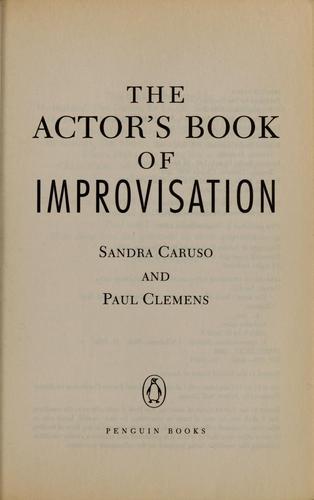
The Actor's Book of Improvisation
Sandra Caruso; Paul Clemens

Improvisation Starters
A Collection of 900 Improvisation Situations for the Theater
Philip Bernardi
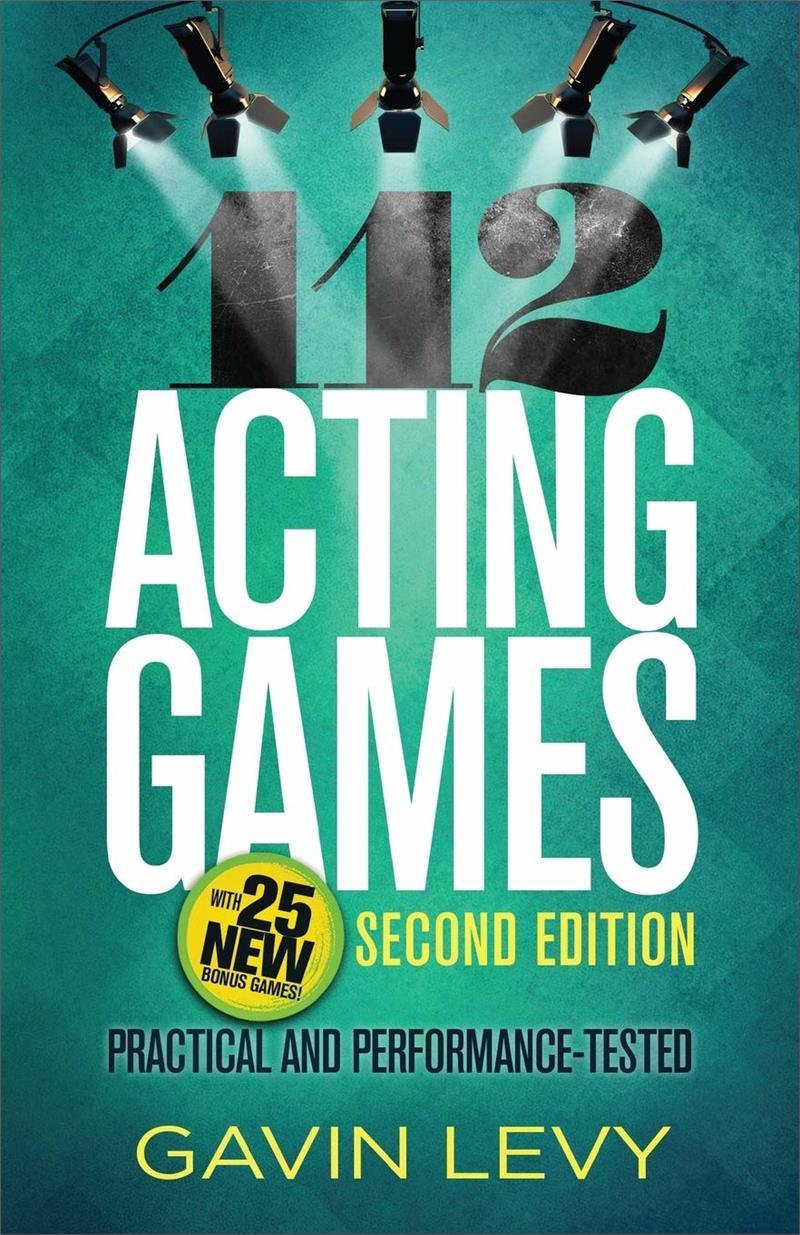
112 Acting Games
Gavin Levy
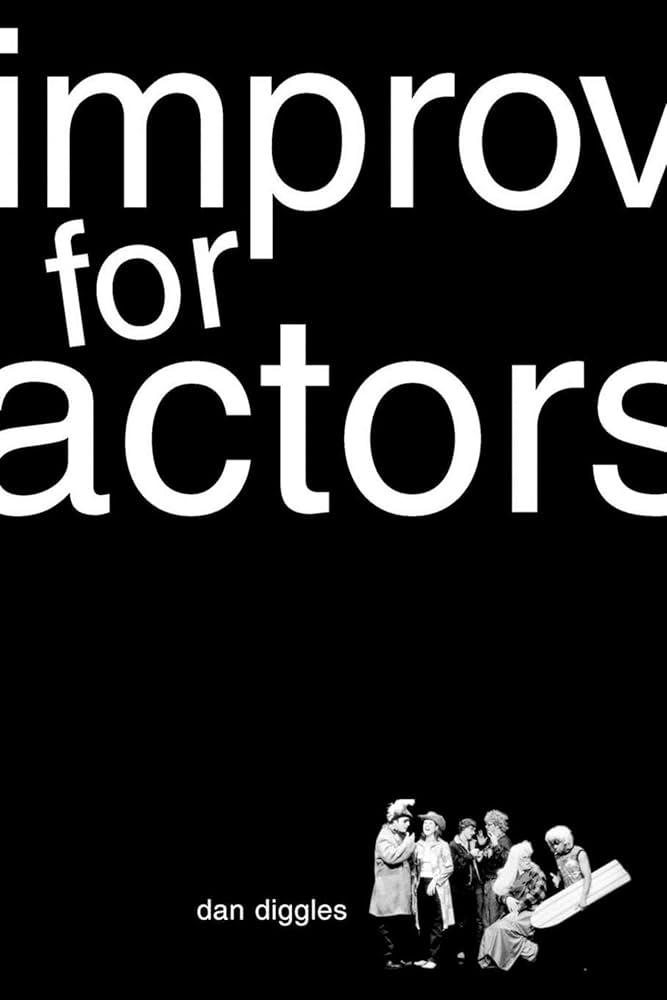
Improv for Actors
Dan Diggles
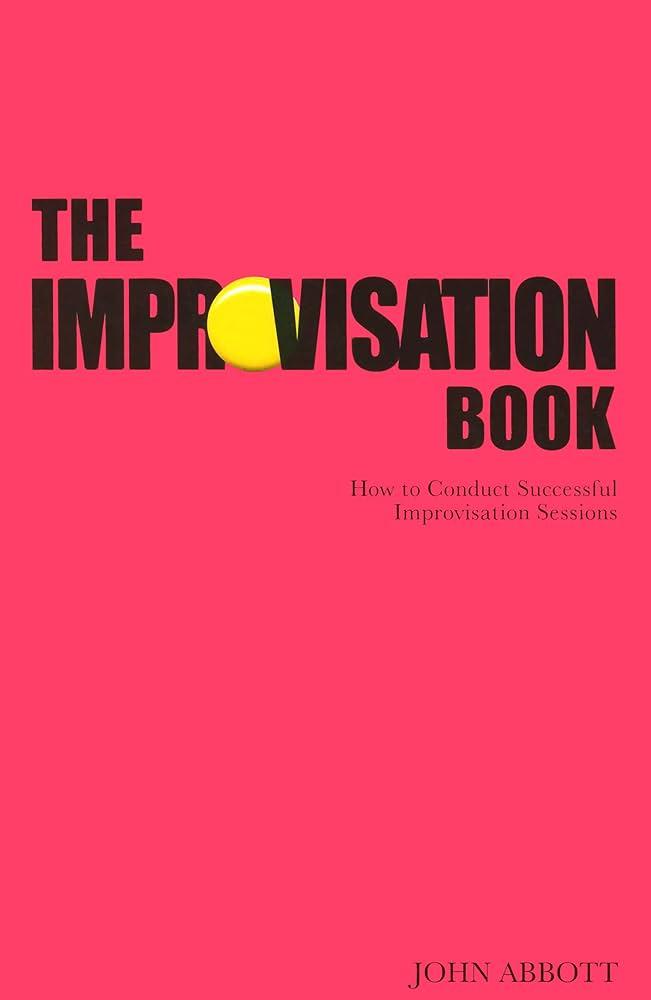
The Improvisation Book
How to Conduct Successful Improvisation Sessions
John S.C. Abbott
Related Exercises
The Wave
The Wave is a group exercise in which players send a wave of movement or energy around a circle, each person picking up and passing on the previous player's motion. The exercise trains group rhythm, physical sensitivity, and the instinct to receive and transmit energy without breaking the chain. It is accessible to players of all ages and experience levels.
Roller Coaster
Roller Coaster is a physical ensemble exercise in which players mime riding a roller coaster together, reacting as a group to the imagined drops, climbs, sharp turns, and loops. The exercise requires coordinated physical and vocal response to a shared imaginary experience and functions as an energizer that builds ensemble synchronization through committed physical play.
Volcano
Volcano is a group warm-up exercise in which the ensemble builds collective vocal and physical energy gradually from silence to a full explosive release, then returns to silence. The exercise calibrates the group's shared energy and teaches performers to build and release intensity together as a single unit. It functions as an energizer and ensemble-synchronization exercise.
Popcorn
Popcorn is an ensemble energy exercise in which players crouch on the ground and pop up one at a time to shout a word, sound, or short phrase before dropping back down. The group must self-regulate so that pops do not overlap and the rhythm stays dynamic. The exercise builds group awareness, spontaneity, and the instinct to fill empty space without stepping on others.
Lugares
Lugares is a scene-building exercise drawn from Spanish-language improv traditions in which the physical location ("lugar") is established as the primary creative force driving the scene. Characters and situations emerge from the performers' relationship to the space. The exercise trains environment-first scene work and demonstrates how place shapes behavior.
Acting Natural
Acting Natural is an observation exercise that reveals what performers do with their bodies when they think the room is listening to content instead of watching behavior. Players enter one at a time, share simple facts about themselves, and are then confronted with detailed observations about their body language. The exercise builds body awareness and helps actors notice habits that can quietly drain clarity onstage.
The Lineage
Explore the schools and structures that influenced or evolved from On the Beach.
112 Acting Games (Levy)
How to Reference This Page
The Improv Archive. (2026). On the Beach. Retrieved September 28, 2026, from https://improvarchive.org/exercises/on-the-beach
The Improv Archive. "On the Beach." The Improv Archive, 2026. https://improvarchive.org/exercises/on-the-beach.
The Improv Archive. "On the Beach." The Improv Archive, 2026, https://improvarchive.org/exercises/on-the-beach. Accessed September 28, 2026.
The Improv Archive is a systemically maintained repository. The archive itself acts as the corporate author.