House, Creature, Flood
House, Creature, Flood is an energetic group warm-up and tag game in which players form groups of three: two players create a "house" by facing each other with their arms raised and joined overhead, and one player stands inside as the "creature." When the caller shouts "flood," all creatures must find a new house; when they shout "house," the house-builders separate and find a new creature; when they shout "earthquake," everyone reorganizes entirely. The game builds rapid responsiveness, physical coordination, and the experience of group reorganization under pressure.
Structure
Setup
Players form groups of three. Two players stand facing each other and raise their joined hands to form an arch -- the house. The third player stands inside the arch -- the creature.
Roles and Calls
A caller (facilitator or rotating player) shouts one of three calls:
- Flood: All creatures must leave their current house and find a new one. Houses stay in place. Creatures scramble.
- House: The house-builders separate and find a new creature to house. Creatures stay in place.
- Earthquake: Everything changes. All players must regroup: new partners, new roles, new houses.
With each call, players must move and reform quickly. In groups where the number is not divisible by three, one player is left out temporarily and becomes the next caller.
Pacing
The facilitator calls at a pace that keeps the group moving without allowing everyone to settle comfortably into a single arrangement. Faster calls produce more chaos; deliberate pauses before calls create anticipation.
Conclusion
The game ends after a set number of calls or when the group has reached a satisfying level of shared energy.
How to Teach It
Objectives
House, Creature, Flood develops rapid physical responsiveness, the experience of group reorganization under time pressure, and the habit of moving decisively rather than waiting to observe what others do.
How to Explain It
"Three people: two form a house with their arms, one stands inside as the creature. When I call 'flood,' creatures find a new house. 'House,' houses find a new creature. 'Earthquake,' everyone reorganizes. Move fast. Don't wait."
Scaffolding
Walk through each call type once before beginning at speed. Players need to understand all three calls before the pace increases. The first round at slow speed establishes the mechanics; subsequent rounds can move at full energy.
Common Pitfalls
Players sometimes stand and evaluate their options before moving, creating hesitation that slows the whole group's reorganization. The coaching note is that the game rewards the first decision, not the best decision -- move, then adjust. The experience of rapid, decisive reorganization is what the exercise is building.
Worth Reading
See all books →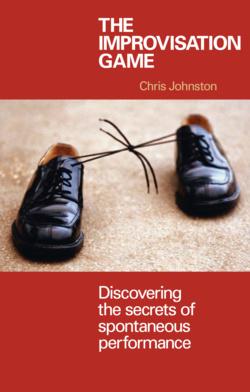
The Improvisation Game
Discovering the Secrets of Spontaneous Performance
Chris Johnston

Improvised Theatre and the Autism Spectrum
A Practical Guide
Gary Kramer; Richie Ploesch
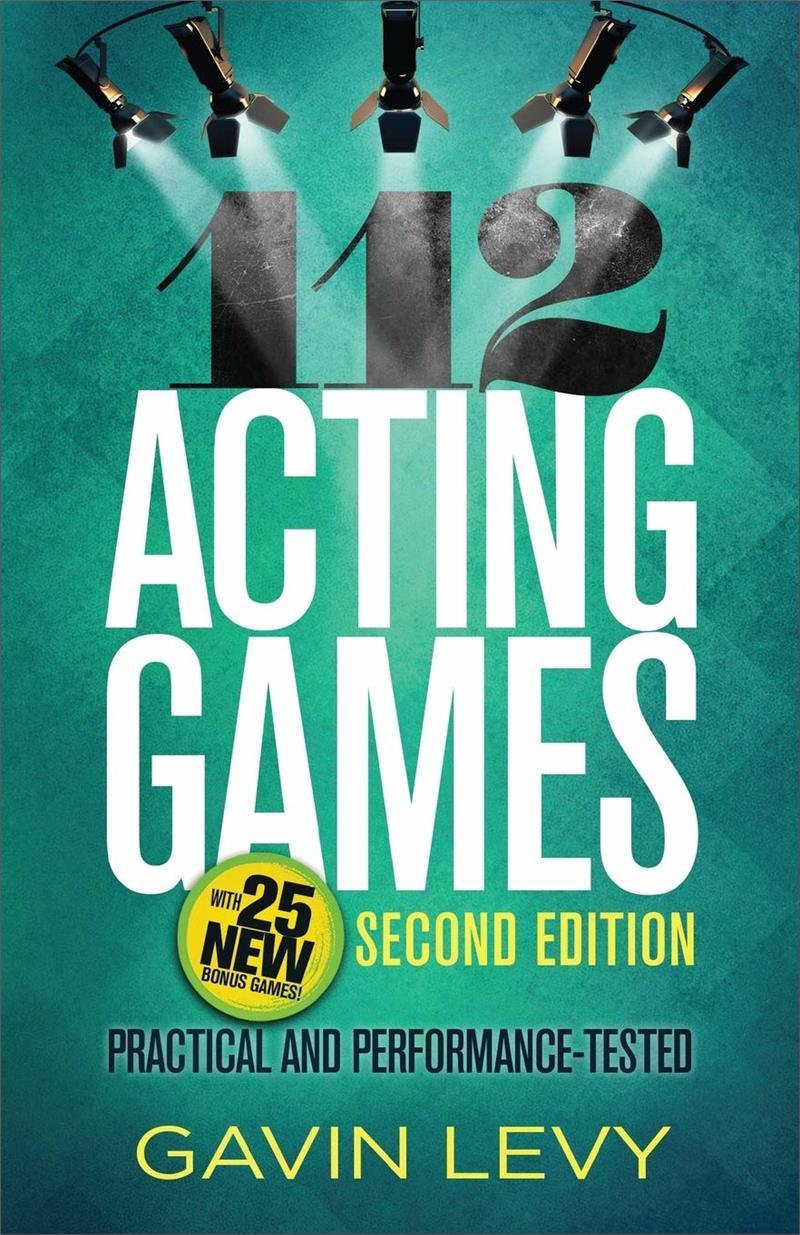
112 Acting Games
Gavin Levy

Group Improvisation
The Manual of Ensemble Improv Games
Peter Campbell Gwinn; Charna Halpern

Drama Games and Improvs
Games for the Classroom and Beyond
Justine Jones; Mary Ann Kelley
Theater Games for Rehearsal
Viola Spolin
Related Exercises
Big Blob
Big Blob is a tag variant in which tagged players join hands with the tagger, forming an ever-growing chain that pursues the remaining free players. As the blob grows, coordination becomes increasingly difficult. The exercise builds group physicality, communication, and cooperative movement.
Barney
Barney is an energy and movement warm-up exercise in which players adopt an exaggerated, lumbering physical character and interact with the group through simple, playful commands. The exercise asks participants to embody a large, slow, friendly creature (often described as a dinosaur or monster) and move through the space with maximum physical commitment and minimum self-consciousness. The inherent silliness of the character lowers inhibitions quickly, making Barney effective as an early warm-up for groups that are new to physical work or uncomfortable with large physical choices. The exercise builds comfort with exaggerated movement, vocal projection, and the willingness to look ridiculous in front of others, all foundational skills for improv performance.
Creatures of the Deep
Creatures of the Deep is a physicality exercise in which players create and embody imaginary sea creatures, exploring unusual movement patterns inspired by underwater life. The aquatic framing liberates players from habitual terrestrial movement habits, inviting exploration of slow, sustained, fluid motion as well as bursts of directional change that challenge the body's default patterns. The exercise is used to expand physical range and develop comfort with non-humanistic movement.
The Wave
The Wave is a group exercise in which players send a wave of movement or energy around a circle, each person picking up and passing on the previous player's motion. The exercise trains group rhythm, physical sensitivity, and the instinct to receive and transmit energy without breaking the chain. It is accessible to players of all ages and experience levels.
Play Tag
Play Tag is a physical warm-up exercise that adapts the universal children's game of tag for an improv workshop setting. One player is designated as "it" and pursues others within the defined playing space; tagged players become "it" and must pursue the next player. The exercise builds physical energy, spatial awareness, and the embodied experience of ensemble interdependence before scene work begins.
How to Reference This Page
The Improv Archive. (2026). House, Creature, Flood. Retrieved September 28, 2026, from https://improvarchive.org/exercises/house-creature-flood
The Improv Archive. "House, Creature, Flood." The Improv Archive, 2026. https://improvarchive.org/exercises/house-creature-flood.
The Improv Archive. "House, Creature, Flood." The Improv Archive, 2026, https://improvarchive.org/exercises/house-creature-flood. Accessed September 28, 2026.
The Improv Archive is a systemically maintained repository. The archive itself acts as the corporate author.