Mr so and So
Mr. So-and-So is a hybrid game and exercise in which one performer introduces a character -- "Mr. So-and-So" -- by physicalized description and behavioral endowment, and other performers must immediately embody and play that character according to the introduction. The exercise develops the ability to rapidly translate a described character into full physical and behavioral embodiment, and trains the group's capacity to all play the same character simultaneously with consistency and specificity.
Structure
Setup
One performer or the facilitator takes the role of introducer. The remaining performers wait to receive the character introduction.
Progression
The introducer announces: "Allow me to introduce Mr. So-and-So" -- or a specific name -- and then describes the character's physical qualities, status, movement pattern, emotional state, or behavioral quirk with as much specific detail as possible.
All other performers simultaneously adopt the described character and begin inhabiting them in the space -- walking, interacting, and speaking as Mr. So-and-So. The group's challenge is to achieve a consistent, recognizable shared character rather than multiple individual variations.
After a period of group character play, the introducer may call a new character, and all performers immediately transform.
Ending
The exercise concludes after several character introductions. The facilitator debriefs the consistency and specificity of each character across the group.
How to Teach It
Objectives
Mr. So-and-So trains rapid character embodiment from a described specification, the ability to translate verbal character information into precise physical and behavioral choices, and the ensemble skill of achieving a shared character simultaneously with consistency across performers.
How to Explain It
"You're getting a character described to you. The moment the description begins, start translating it into your body. Don't wait until it's complete. By the time the introducer finishes, Mr. So-and-So should already be walking in this space."
Scaffolding
Begin with simple, physically specific characters (a very old person with a bad knee, someone who smells everything) before introducing more psychologically complex or behaviorally subtle characters. The exercise builds the rapid translation muscle before introducing nuance.
Common Pitfalls
Performers often produce individual variations of the described character rather than a shared one -- each performer emphasizing the aspects of the description that resonated most with them. Coach the group to find the single most central quality of the description and anchor the shared character there.
How to Perform It
Audience Intro
"We'd like you to meet someone -- actually, several someones. Help us describe who they are, and we'll all become them at once."
Cast Size
Flexible: 3 to 10 performers. 1 performer takes the introducer role per round.
Staging
Open stage. The introducer stands at a distinct position; the ensemble occupies the main playing area ready to receive and embody the character.
Wrap-Up Logic
End after three to five character introductions, or when the group has demonstrated a satisfying range of character consistency and transformation across multiple distinct characters.
Worth Reading
See all books →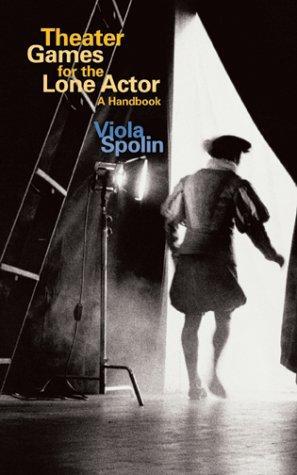
Theater Games for the Lone Actor
Viola Spolin
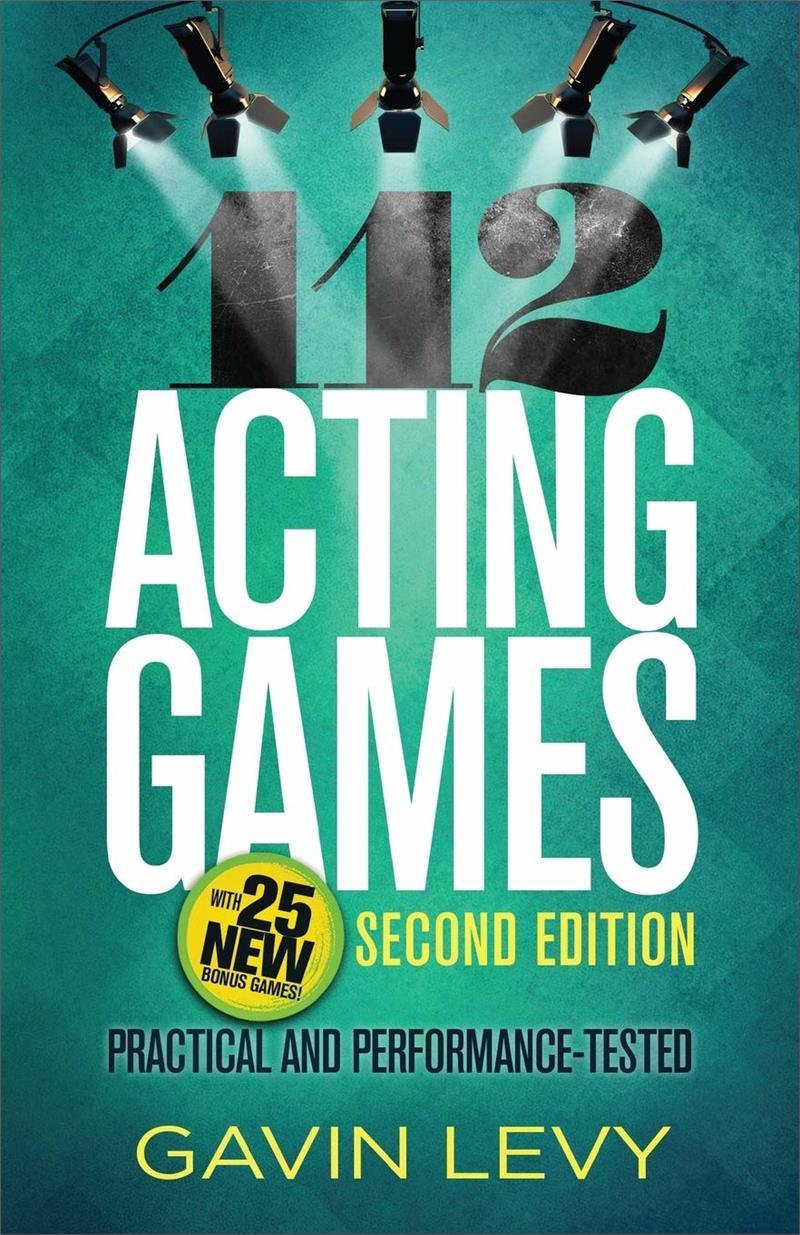
112 Acting Games
Gavin Levy
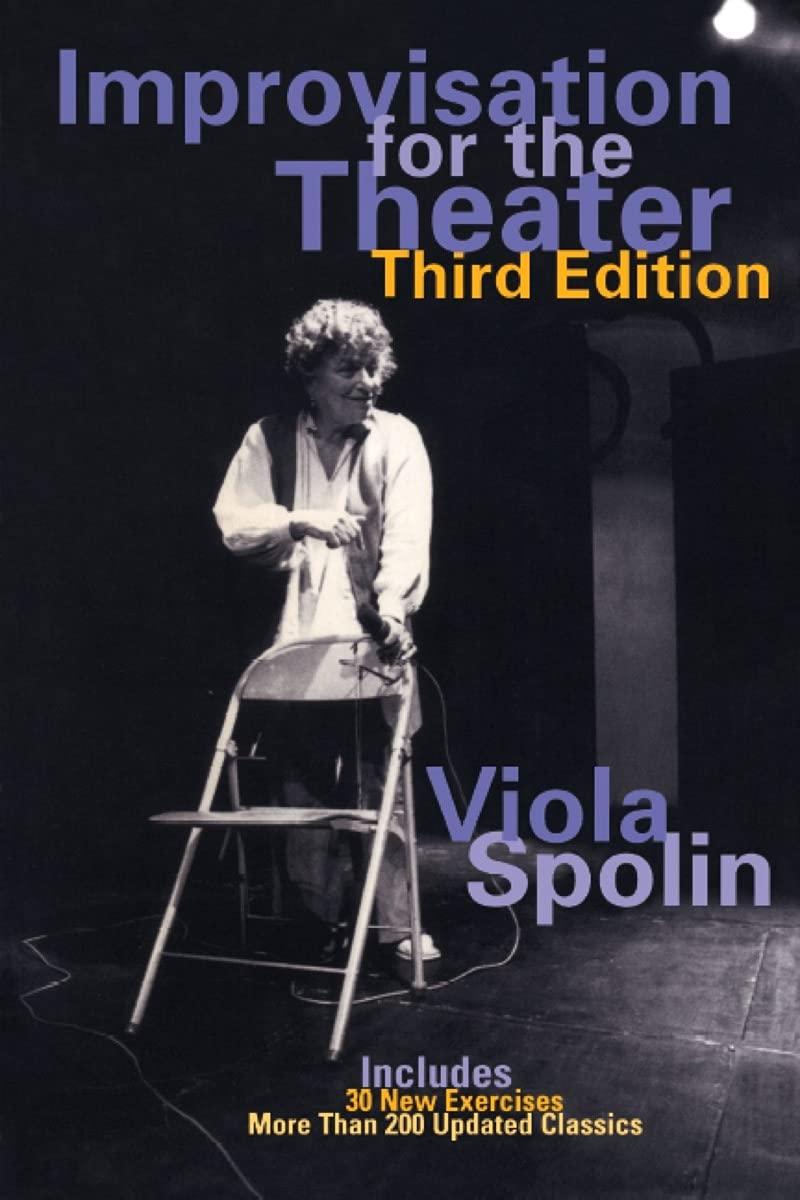
Improvisation for the Theater
A Handbook of Teaching and Directing Techniques
Viola Spolin
Theater Games for Rehearsal
Viola Spolin

Embodied Playwriting
Improv and Acting Exercises for Writing
Hillary Haft Bucs; Charissa Menefee

The Young Actor's Book of Improvisation
Dramatic Situations
Sandra Caruso; Susan Kosoff
Related Exercises
As You Will
As You Will is a character immersion exercise in which actors spend an extended period inhabiting their characters in an unstructured social environment. As documented by Gavin Levy in 112 Acting Games, players arrive already in character and interact freely with each other for twenty to sixty minutes without any scripted dialogue, predetermined blocking, or audience. The exercise strips away the technical demands of performance (projection, line learning, blocking) and replaces them with pure character exploration and responsive interaction. By removing the pressure of performance, As You Will allows actors to discover new dimensions of their characters through spontaneous encounter. The exercise is primarily used in conjunction with a scripted production, where it serves as a rehearsal tool for deepening character work and ensemble connection.
Barney
Barney is an energy and movement warm-up exercise in which players adopt an exaggerated, lumbering physical character and interact with the group through simple, playful commands. The exercise asks participants to embody a large, slow, friendly creature (often described as a dinosaur or monster) and move through the space with maximum physical commitment and minimum self-consciousness. The inherent silliness of the character lowers inhibitions quickly, making Barney effective as an early warm-up for groups that are new to physical work or uncomfortable with large physical choices. The exercise builds comfort with exaggerated movement, vocal projection, and the willingness to look ridiculous in front of others, all foundational skills for improv performance.
Hello
Hello is a simple greeting exercise in which players practice making contact through the single word "hello," varying their delivery to express different emotions, characters, and relationships. The exercise demonstrates the range of meaning a single word can carry. It builds vocal variety and the ability to communicate intention through tone.
John Cremer Characters and Scenes
John Cremer Characters and Scenes is a character-building and scene initiation exercise developed by UK improviser and educator John Cremer, in which participants develop distinct physicalized characters and then bring those characters into spontaneous scenes with one another. The exercise trains the connection between physical specificity and character logic, building confidence in initiating scenes from a grounded physical starting point rather than from dialogue or concept.
Play With
Play With is a scene exercise in which performers are directed to explore and heighten whatever elements have already emerged in a scene rather than driving toward a predetermined outcome. The coaching directive -- "play with it" -- asks players to treat each established detail, character behavior, or game pattern as material to revisit, expand, and discover rather than move past. The exercise trains the improv muscle of finding satisfaction in the present moment of a scene.
Ha Soh Kah
Ha Soh Kah is a rhythm and energy exercise in which players chant "Ha," "Soh," and "Kah" while passing focus through corresponding gestures. Each syllable travels around the circle or is redirected by the accompanying physical movement. The exercise builds group rhythm, shared focus, and the physical attentiveness required to track and respond to a moving point of attention.
How to Reference This Page
The Improv Archive. (2026). Mr so and So. Retrieved September 28, 2026, from https://improvarchive.org/exercises/mr-so-and-so
The Improv Archive. "Mr so and So." The Improv Archive, 2026. https://improvarchive.org/exercises/mr-so-and-so.
The Improv Archive. "Mr so and So." The Improv Archive, 2026, https://improvarchive.org/exercises/mr-so-and-so. Accessed September 28, 2026.
The Improv Archive is a systemically maintained repository. The archive itself acts as the corporate author.