Kick the Can Marco
Kick the Can Marco is a physical energy and tag-based warm-up exercise that combines the playground mechanics of Kick the Can and Marco Polo into a group improv warm-up. Participants play a guided chase-and-find game in which one or more players navigate toward others using verbal or auditory cues, building presence, listening, and physical ensemble awareness within a playful competitive frame.
Structure
Setup
The playing area is cleared of obstacles. One participant is designated as the seeker. The remaining participants scatter through the space.
Progression
The seeker navigates the space with eyes closed or limited vision while calling out "Marco" (or an agreed signal). Other participants must respond with "Polo" (or the paired signal) and may move through the space to avoid being tagged. When the seeker tags a participant, that participant joins the seeking team or takes on a new role as directed by the facilitator.
A central object -- the "can" -- is placed in the space. A participant who can reach and kick the can without being tagged earns a point or a specific advantage determined before the round begins.
Conclusion
The round ends after a set time limit, after all participants have been tagged, or when the group has reached a sufficient level of physical energy and ensemble connection to transition into the main rehearsal activity.
How to Teach It
Objectives
Kick the Can Marco targets physical energy activation, listening, spatial awareness, and the willingness to commit to play without overthinking. It is primarily a vehicle for generating physical and ensemble momentum at the start of a session.
How to Explain It
"This is a game, and games are supposed to be fun. When you're the seeker, really listen. When you're avoiding, really move. The whole point is to be fully in your body and fully in the room -- not thinking about the next exercise."
Scaffolding
For groups unfamiliar with either game, briefly explain the separate mechanics of Marco Polo and Kick the Can before combining them. Run a short demonstration round before opening to full group play. Adjust the size of the playing area to control the difficulty level: smaller spaces increase contact frequency and energy; larger spaces reward sustained listening.
Common Pitfalls
The exercise loses momentum when participants disengage from the game and treat it as optional participation. The energy of the warm-up depends on full commitment to both the seeking and the avoiding. Coach participants who are standing still or watching from the edges to re-enter the play.
Worth Reading
See all books →
Pirate Robot Ninja
An Improv Fable
Billy Merritt; Will Hines

Group Improvisation
The Manual of Ensemble Improv Games
Peter Campbell Gwinn; Charna Halpern
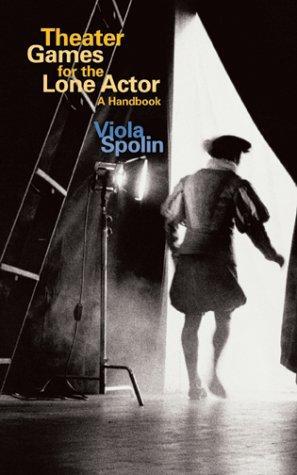
Theater Games for the Lone Actor
Viola Spolin

Acting Through Improv
Improv Through Theatresports
Lynda Belt; Rebecca Stockley
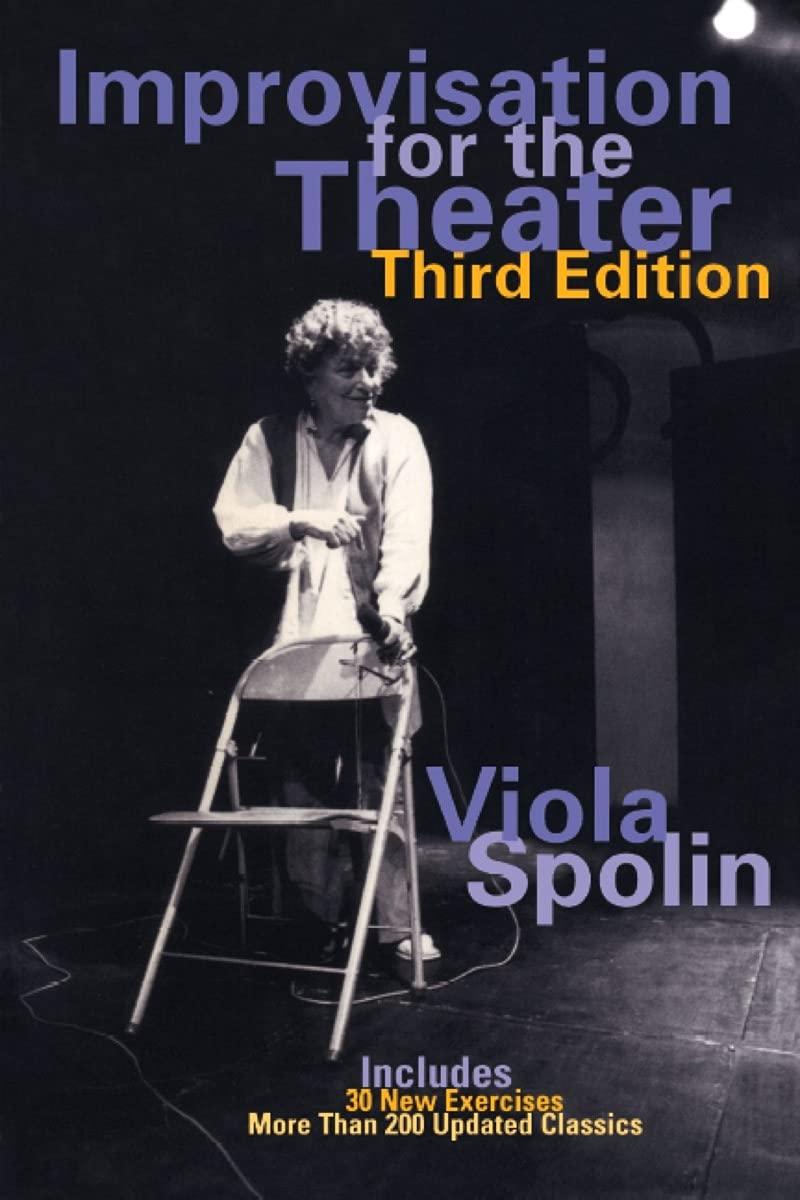
Improvisation for the Theater
A Handbook of Teaching and Directing Techniques
Viola Spolin
Theater Games for Rehearsal
Viola Spolin
Related Exercises
Play Tag
Play Tag is a physical warm-up exercise that adapts the universal children's game of tag for an improv workshop setting. One player is designated as "it" and pursues others within the defined playing space; tagged players become "it" and must pursue the next player. The exercise builds physical energy, spatial awareness, and the embodied experience of ensemble interdependence before scene work begins.
Slomo Tag
Slomo Tag is a warm-up exercise in which players play tag entirely in slow motion, pursuing and evading at a fraction of normal speed. The deliberate pace transforms a simple childhood game into an exercise in physical control, spatial awareness, and sustained commitment.
Popcorn
Popcorn is an ensemble energy exercise in which players crouch on the ground and pop up one at a time to shout a word, sound, or short phrase before dropping back down. The group must self-regulate so that pops do not overlap and the rhythm stays dynamic. The exercise builds group awareness, spontaneity, and the instinct to fill empty space without stepping on others.
Run Around
Run Around is a physical warm-up exercise in which players move through the space and respond to commands called by the facilitator. The exercise builds spatial awareness, group attentiveness, and physical readiness by requiring participants to shift direction, speed, or movement quality on cue.
Duck Duck Goose
Duck Duck Goose is a classic children's circle game adapted as an improv warm-up. One player circles the group, tapping heads and calling out "duck" until choosing a "goose" who must chase them around the circle before they can claim the vacated spot. In improv contexts the game is used to raise physical energy quickly, lower inhibitions through familiar childhood play, and establish a physical permission structure early in a session.
Barney
Barney is an energy and movement warm-up exercise in which players adopt an exaggerated, lumbering physical character and interact with the group through simple, playful commands. The exercise asks participants to embody a large, slow, friendly creature (often described as a dinosaur or monster) and move through the space with maximum physical commitment and minimum self-consciousness. The inherent silliness of the character lowers inhibitions quickly, making Barney effective as an early warm-up for groups that are new to physical work or uncomfortable with large physical choices. The exercise builds comfort with exaggerated movement, vocal projection, and the willingness to look ridiculous in front of others, all foundational skills for improv performance.
How to Reference This Page
The Improv Archive. (2026). Kick the Can Marco. Retrieved September 29, 2026, from https://improvarchive.org/exercises/kick-the-can-marco
The Improv Archive. "Kick the Can Marco." The Improv Archive, 2026. https://improvarchive.org/exercises/kick-the-can-marco.
The Improv Archive. "Kick the Can Marco." The Improv Archive, 2026, https://improvarchive.org/exercises/kick-the-can-marco. Accessed September 29, 2026.
The Improv Archive is a systemically maintained repository. The archive itself acts as the corporate author.