King Game
King Game is a status exercise in which one player is designated king and all others must defer to them, adjusting their behavior, posture, and speech accordingly. The exercise makes visible how status shapes every interaction. It draws from Keith Johnstone's foundational work on status dynamics in improvisation.
Worth Reading
See all books →
The Improv Handbook
The Ultimate Guide to Improvising in Comedy, Theatre, and Beyond
Tom Salinsky; Deborah Frances-White

Improvisation In The Arts Of The Middle Ages And Renaissance
Timothy J. McGee
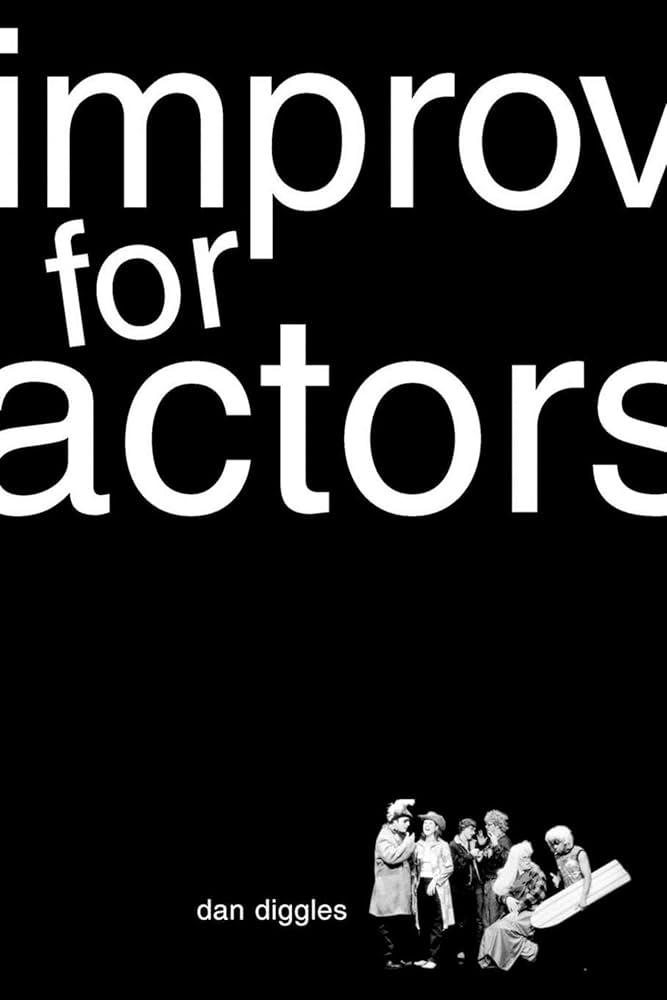
Improv for Actors
Dan Diggles
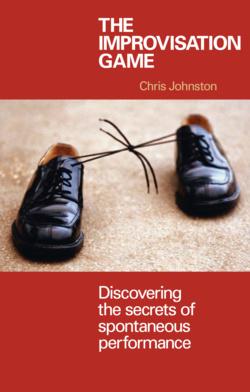
The Improvisation Game
Discovering the Secrets of Spontaneous Performance
Chris Johnston
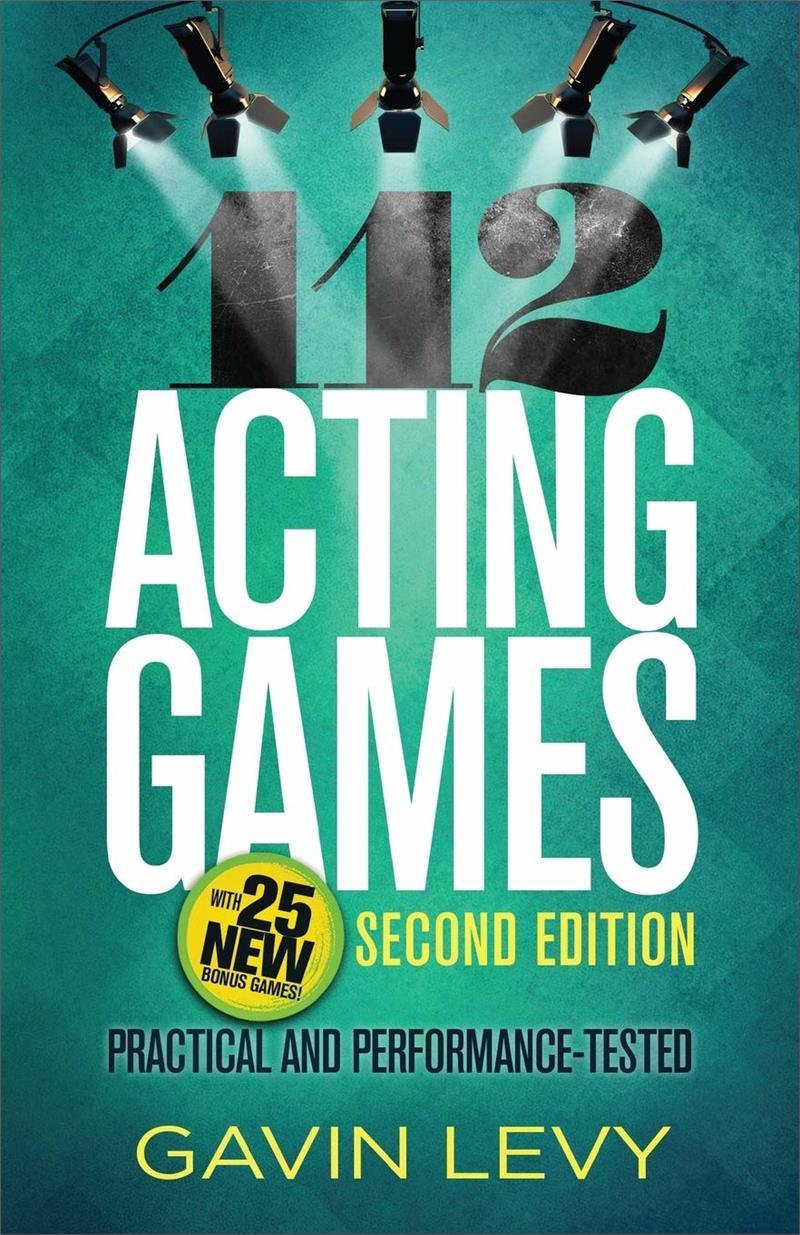
112 Acting Games
Gavin Levy

Business Improv
Experiential Learning Exercises to Train Employees
Val Gee
Related Exercises
Queen Game
Queen Game is a status exercise based on Keith Johnstone's work in which one player assumes the role of a monarch while others play courtiers who must navigate the social hierarchy through status transactions. The exercise makes visible how status operates through posture, eye contact, spatial positioning, and verbal deference.
Royal Status Game
Royal Status Game is a status exercise inspired by Keith Johnstone's work in which players interact in a hierarchical court setting, exploring how physical behavior, language patterns, and spatial relationships communicate power and deference. The exercise makes visible the status transactions that operate in every human interaction.
Card Status
Card Status is a status exercise inspired by Keith Johnstone's work, in which each player is assigned a playing card that determines their social rank in the scene. Players interact according to their card value without revealing it. The exercise makes visible how status differences shape behavior, posture, and communication patterns.
Social Status
Social Status is a status exercise in which players are assigned numbered ranks and must interact in a social gathering setting while communicating their relative position through body language, vocal tone, and behavior alone. Observers attempt to rank the players from highest to lowest status. The exercise reveals how status operates through subtle nonverbal signals and trains performers to distinguish social rank from behavioral status.
King and Queen
King and Queen is a status and role-play exercise in which two players adopt the roles of royalty while others serve as courtiers, guards, servants, or subjects. The exercise explores how authority affects behavior on both sides of a power dynamic. The royals must communicate through the physicality of power (posture, gesture, gaze) while the subjects must navigate the constraints of deference. The exercise builds awareness of status play and its effects on physicality, voice, spatial relationships, and interpersonal dynamics.
King Lizard
King Lizard is a physical status and transformation exercise in which participants alternate between embodying two extreme physical archetypes -- the king, characterized by elevated posture, expanded presence, and unhurried ease, and the lizard, characterized by a low center of gravity, darting speed, and close-to-the-ground alertness. The exercise uses the contrast between these two physical states to develop performers' range of physicalized status and presence.
The Lineage
Explore the schools and structures that influenced or evolved from King Game.
Impro (Johnstone)
How to Reference This Page
The Improv Archive. (2026). King Game. Retrieved September 28, 2026, from https://improvarchive.org/exercises/king-game
The Improv Archive. "King Game." The Improv Archive, 2026. https://improvarchive.org/exercises/king-game.
The Improv Archive. "King Game." The Improv Archive, 2026, https://improvarchive.org/exercises/king-game. Accessed September 28, 2026.
The Improv Archive is a systemically maintained repository. The archive itself acts as the corporate author.