Queen Game
Queen Game is a status exercise based on Keith Johnstone's work in which one player assumes the role of a monarch while others play courtiers who must navigate the social hierarchy through status transactions. The exercise makes visible how status operates through posture, eye contact, spatial positioning, and verbal deference.
Structure
Setup
One player is designated the Queen or King and sits or stands at the front of the space. The remaining players are courtiers. The facilitator establishes that the monarch holds absolute power: they can reward, punish, banish, or elevate anyone at any time.
Progression
Courtiers approach the monarch one at a time or in small groups, making requests, delivering news, or seeking favor. The monarch responds according to their mood and the status behavior of the courtier. A courtier who approaches with appropriate deference may be rewarded. One who fails to show sufficient respect may be banished.
The exercise reveals how status is communicated physically. Courtiers discover that lowering their eye line, slowing their approach, and speaking with rising inflection signals low status. The monarch discovers that stillness, direct gaze, and brevity signal high status.
The facilitator may rotate the monarch role, allowing multiple players to experience both sides of the status dynamic. Scenes can develop between courtiers competing for the monarch's favor, adding lateral status play to the vertical hierarchy.
Variations
A revolution version introduces a moment when the courtiers can challenge the monarch's authority, exploring how status can shift rapidly. A secret-status version gives each courtier a hidden status number that determines their behavior independent of the monarch's perception. A modern version transplants the exercise to a corporate boardroom, with a CEO replacing the monarch.
How to Teach It
Objectives
Queen Game teaches performers to read and play status consciously. The exercise demonstrates Johnstone's insight that status is behavioral rather than social: a servant can play high status and a king can play low status, and the theatrical interest lies in the gap between social position and performed status.
How to Explain It
"One of you is the Queen. The rest of you are courtiers in the royal court. The Queen has absolute power. Courtiers, you need something from the Queen. How you approach, how you stand, how you speak will determine your fate."
Scaffolding
Begin by discussing what high and low status look like physically before starting the exercise. After the first round, debrief specific moments where status was communicated through body language. In subsequent rounds, challenge players to deliberately mismatch their social position and their performed status.
Common Pitfalls
The most common error is equating high status with aggression and low status with weakness. Johnstone taught that high status can be gracious and low status can be manipulative. Coach the full range of status expression.
A second issue is the monarch player who refuses to engage with courtiers, shutting down every approach. The exercise works best when the monarch rewards interesting status play, creating an environment where courtiers are encouraged to take risks.
History
Queen Game derives from Keith Johnstone's extensive status work developed at the Royal Court Theatre in London during the 1960s and later refined at Loose Moose Theatre in Calgary. Johnstone's Impro (1979) established the theoretical framework for understanding status as a moment-to-moment transaction rather than a fixed social position. The Queen Game applies these principles in a structured scenario that makes the mechanics of status immediately visible and playable.
Worth Reading
See all books →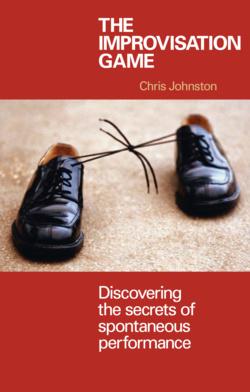
The Improvisation Game
Discovering the Secrets of Spontaneous Performance
Chris Johnston
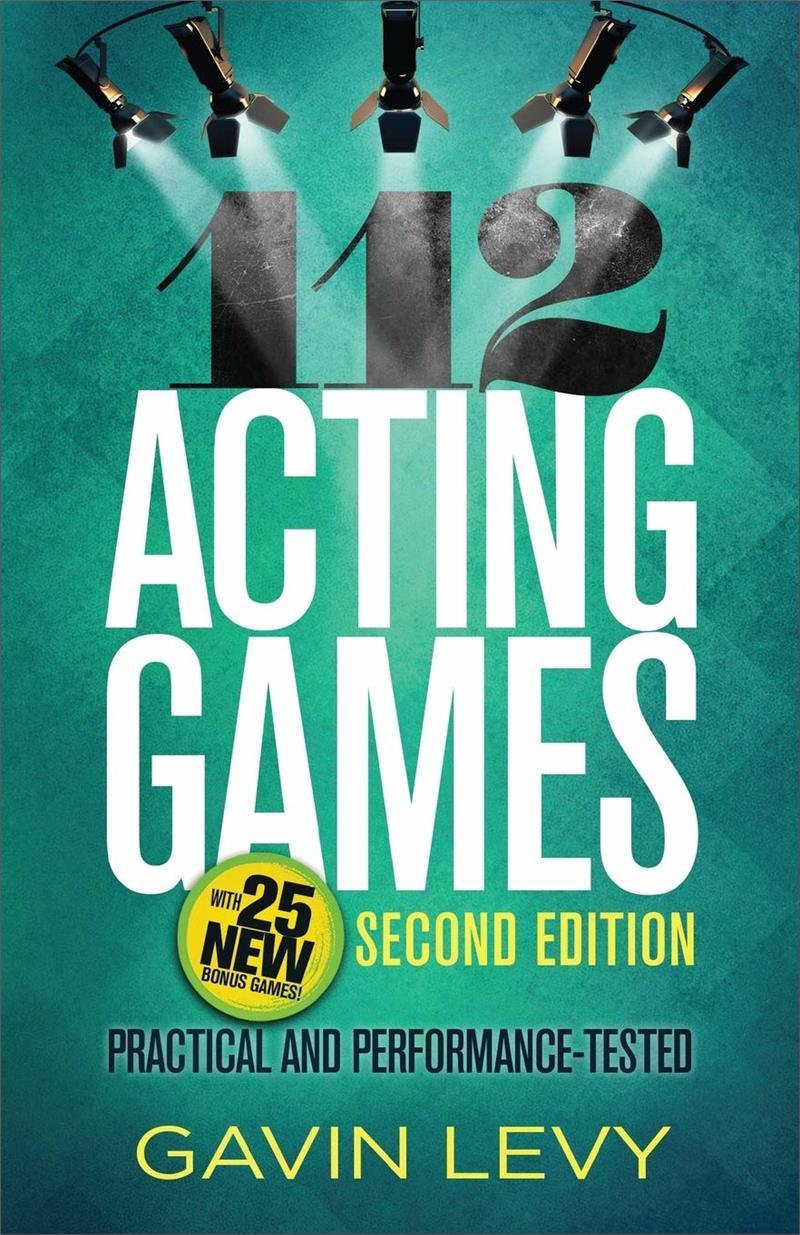
112 Acting Games
Gavin Levy
Theater Games for Rehearsal
Viola Spolin
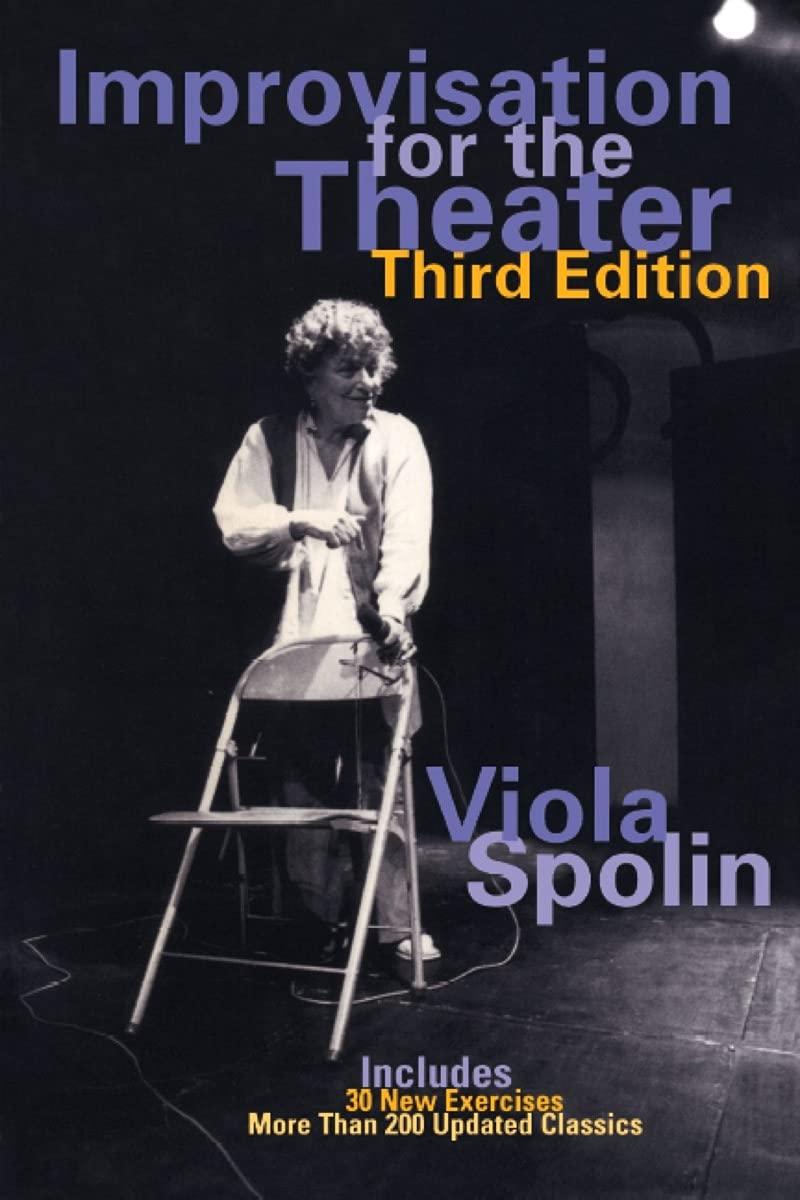
Improvisation for the Theater
A Handbook of Teaching and Directing Techniques
Viola Spolin

Impro
Improvisation and the Theatre
Keith Johnstone
Theater Games for the Lone Actor
Viola Spolin
Related Exercises
Royal Status Game
Royal Status Game is a status exercise inspired by Keith Johnstone's work in which players interact in a hierarchical court setting, exploring how physical behavior, language patterns, and spatial relationships communicate power and deference. The exercise makes visible the status transactions that operate in every human interaction.
King and Queen
King and Queen is a status and role-play exercise in which two players adopt the roles of royalty while others serve as courtiers, guards, servants, or subjects. The exercise explores how authority affects behavior on both sides of a power dynamic. The royals must communicate through the physicality of power (posture, gesture, gaze) while the subjects must navigate the constraints of deference. The exercise builds awareness of status play and its effects on physicality, voice, spatial relationships, and interpersonal dynamics.
Social Status
Social Status is a status exercise in which players are assigned numbered ranks and must interact in a social gathering setting while communicating their relative position through body language, vocal tone, and behavior alone. Observers attempt to rank the players from highest to lowest status. The exercise reveals how status operates through subtle nonverbal signals and trains performers to distinguish social rank from behavioral status.
Card Status
Card Status is a status exercise inspired by Keith Johnstone's work, in which each player is assigned a playing card that determines their social rank in the scene. Players interact according to their card value without revealing it. The exercise makes visible how status differences shape behavior, posture, and communication patterns.
King Game
King Game is a status exercise in which one player is designated king and all others must defer to them, adjusting their behavior, posture, and speech accordingly. The exercise makes visible how status shapes every interaction. It draws from Keith Johnstone's foundational work on status dynamics in improvisation.
Pecking Order
Pecking Order is a status exercise in which players are secretly assigned a numerical rank in a social hierarchy and must interact in scenes according to their position, treating those above them with deference and those below with authority. Observers attempt to determine the correct ranking from behavioral cues alone. The exercise develops physical and vocal markers of status and trains ensemble sensitivity to power dynamics.
The Lineage
Explore the schools and structures that influenced or evolved from Queen Game.
Impro (Johnstone)
How to Reference This Page
The Improv Archive. (2026). Queen Game. Retrieved September 28, 2026, from https://improvarchive.org/exercises/queen-game
The Improv Archive. "Queen Game." The Improv Archive, 2026. https://improvarchive.org/exercises/queen-game.
The Improv Archive. "Queen Game." The Improv Archive, 2026, https://improvarchive.org/exercises/queen-game. Accessed September 28, 2026.
The Improv Archive is a systemically maintained repository. The archive itself acts as the corporate author.