Royal Status Game
Royal Status Game is a status exercise inspired by Keith Johnstone's work in which players interact in a hierarchical court setting, exploring how physical behavior, language patterns, and spatial relationships communicate power and deference. The exercise makes visible the status transactions that operate in every human interaction.
Structure
Setup
One player assumes the role of the monarch, seated on a chair or throne at one end of the space. Other players take on roles within the court: advisors, servants, guards, petitioners, or nobles. Each role carries an implicit status level relative to the monarch and to each other.
Progression
The monarch holds court while others approach, petition, advise, or serve. Each interaction demonstrates status through physicality: how a person enters the space, how close they stand, whether they make or avoid eye contact, how they hold their body, and how they respond to the monarch's attention or dismissal.
The facilitator may assign specific status numbers (one through ten) to each player, with the monarch at ten and others distributed below. Players must communicate their status through behavior without announcing their number. Observers try to identify each player's status level from their physical choices.
The exercise explores how status shifts within interactions. A confident advisor may hold high status until the monarch disagrees, dropping instantly. A low-status servant may gain temporary status by possessing information the monarch needs.
Variations
A revolution version gradually shifts power away from the monarch as other characters gain status through alliances. A rotating version cycles the monarch role so every player experiences the top of the hierarchy. A modern workplace version replaces the court with a corporate boardroom, maintaining the same status dynamics in a contemporary setting.
How to Teach It
Objectives
The Royal Status Game develops awareness of status behavior, the ability to play status deliberately, and understanding of how power dynamics shape every interaction. It trains performers to make conscious choices about their character's status rather than defaulting to their personal comfort level.
How to Explain It
"One of you is the monarch. The rest of you are members of the court with different levels of power and importance. Show your status through how you move, how you stand, how you speak, and how you relate to the people around you. Do not tell us your status. Show us."
Scaffolding
Begin by having the group explore high and low status behaviors in isolation: walk around the space as a ten, then as a one. Progress to paired interactions where one player is high and the other low. The Royal Status Game adds the complexity of multiple status levels operating simultaneously.
Common Pitfalls
Players often confuse status with emotion, playing high status as angry and low status as sad. Status is about behavior, not feeling. A confident, cheerful person can play low status, and a calm, quiet person can play high status. A second pitfall is players locking into one status level without responding to the shifting dynamics of the scene.
History
Keith Johnstone developed status exercises as a core element of his teaching at the Royal Court Theatre in London during the late 1950s and 1960s, and later at Loose Moose Theatre in Calgary. His book Impro (1979) devotes extensive analysis to status transactions, arguing that every interaction involves a continuous negotiation of relative status. The Royal Status Game is one of several exercises Johnstone used to make these unconscious social negotiations visible and playable. His work demonstrated that status is not fixed but fluid, not a character trait but a behavior that shifts from moment to moment based on context and relationship.
Worth Reading
See all books →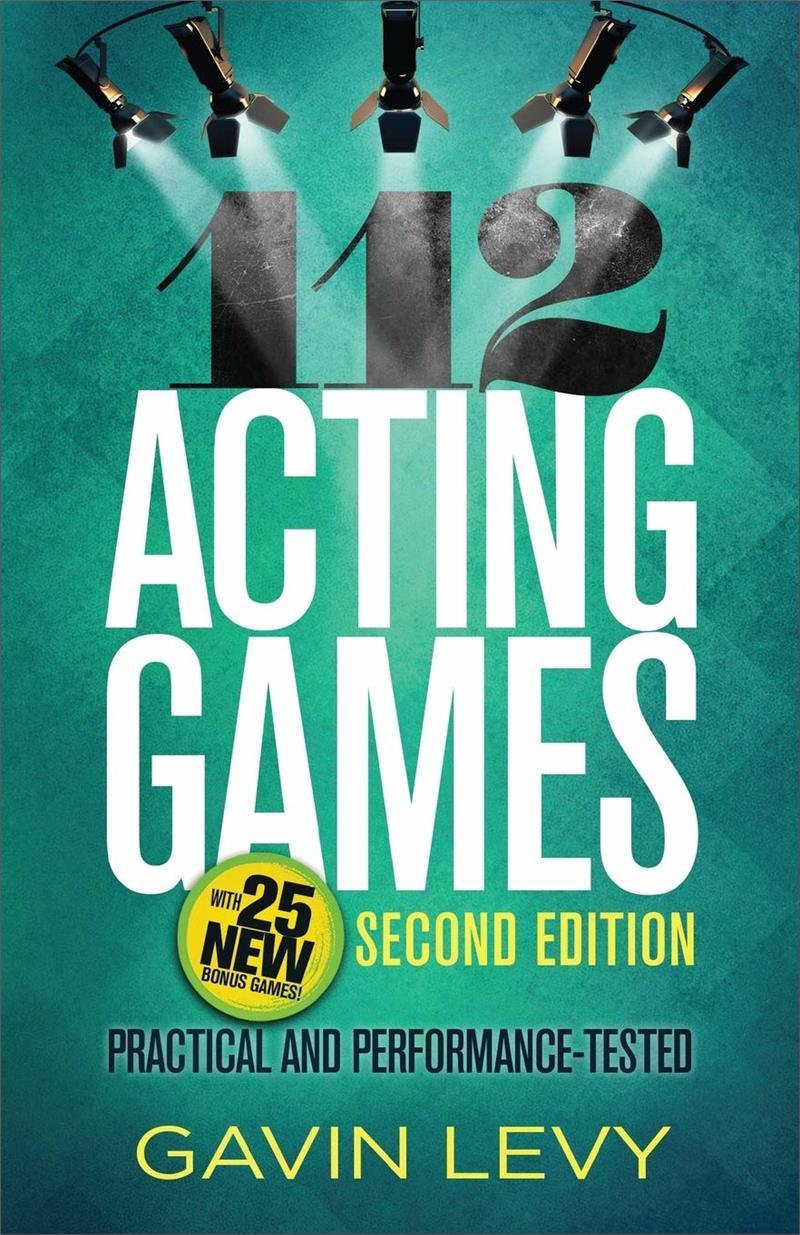
112 Acting Games
Gavin Levy
The Improvisation Game
Discovering the Secrets of Spontaneous Performance
Chris Johnston

Impro
Improvisation and the Theatre
Keith Johnstone
Theater Games for Rehearsal
Viola Spolin
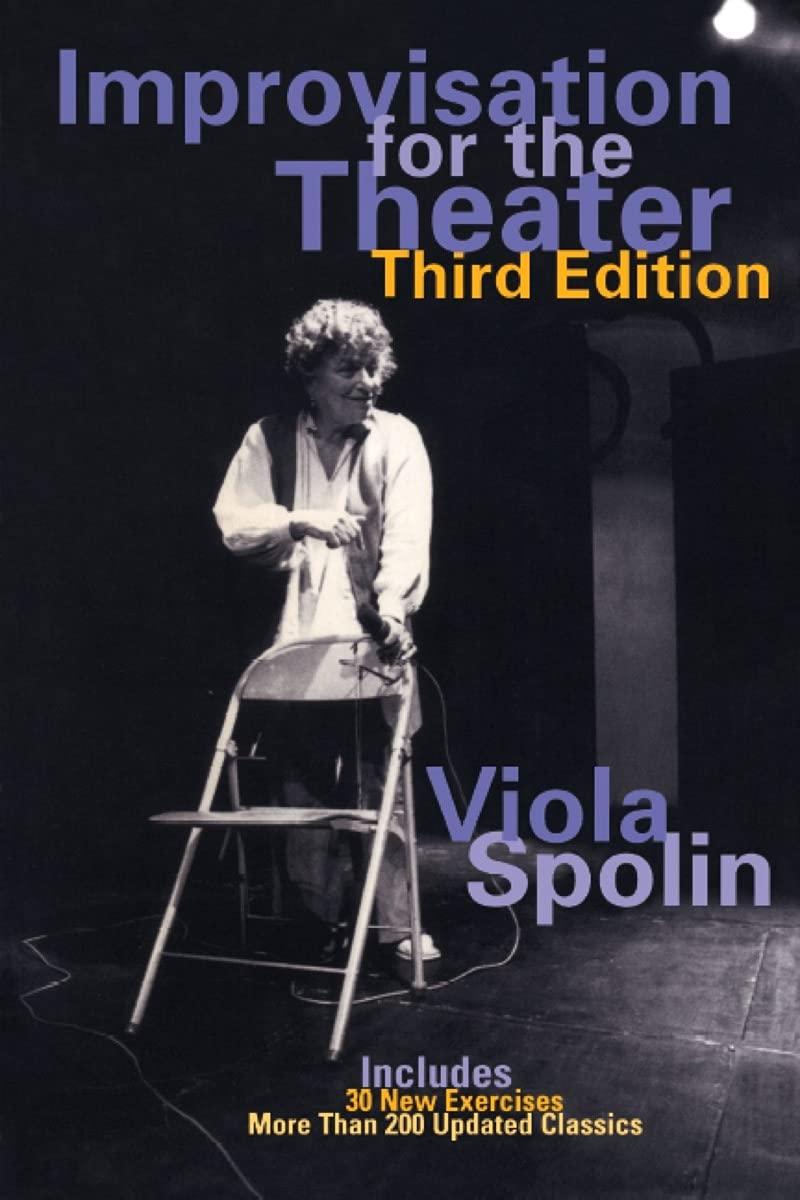
Improvisation for the Theater
A Handbook of Teaching and Directing Techniques
Viola Spolin
Theater Games for the Lone Actor
Viola Spolin
Related Exercises
Queen Game
Queen Game is a status exercise based on Keith Johnstone's work in which one player assumes the role of a monarch while others play courtiers who must navigate the social hierarchy through status transactions. The exercise makes visible how status operates through posture, eye contact, spatial positioning, and verbal deference.
Social Status
Social Status is a status exercise in which players are assigned numbered ranks and must interact in a social gathering setting while communicating their relative position through body language, vocal tone, and behavior alone. Observers attempt to rank the players from highest to lowest status. The exercise reveals how status operates through subtle nonverbal signals and trains performers to distinguish social rank from behavioral status.
King and Queen
King and Queen is a status and role-play exercise in which two players adopt the roles of royalty while others serve as courtiers, guards, servants, or subjects. The exercise explores how authority affects behavior on both sides of a power dynamic. The royals must communicate through the physicality of power (posture, gesture, gaze) while the subjects must navigate the constraints of deference. The exercise builds awareness of status play and its effects on physicality, voice, spatial relationships, and interpersonal dynamics.
Card Status
Card Status is a status exercise inspired by Keith Johnstone's work, in which each player is assigned a playing card that determines their social rank in the scene. Players interact according to their card value without revealing it. The exercise makes visible how status differences shape behavior, posture, and communication patterns.
Status Scene With Numbers
Status Scene with Numbers is a status exercise in which each participant draws a numbered card to determine their status level, then creates a character at that level and interacts with others, learning to embody and read status through physical and verbal behavior.
King Game
King Game is a status exercise in which one player is designated king and all others must defer to them, adjusting their behavior, posture, and speech accordingly. The exercise makes visible how status shapes every interaction. It draws from Keith Johnstone's foundational work on status dynamics in improvisation.
The Lineage
Explore the schools and structures that influenced or evolved from Royal Status Game.
Impro (Johnstone)
How to Reference This Page
The Improv Archive. (2026). Royal Status Game. Retrieved September 28, 2026, from https://improvarchive.org/exercises/royal-status-game
The Improv Archive. "Royal Status Game." The Improv Archive, 2026. https://improvarchive.org/exercises/royal-status-game.
The Improv Archive. "Royal Status Game." The Improv Archive, 2026, https://improvarchive.org/exercises/royal-status-game. Accessed September 28, 2026.
The Improv Archive is a systemically maintained repository. The archive itself acts as the corporate author.