Gibberish Games
Gibberish Games is an applied exercise in which two participants hold a conversation entirely in made-up, invented language -- gibberish -- while a third person translates for the rest of the group. The exercise trains attention to nonverbal cues: tone, rhythm, gesture, facial expression, and physical presence carry the meaning that words normally would. Participants learn to read and respond to a speaker's full communicative body rather than filtering attention through vocabulary alone.
Structure
Setup
Three participants are selected: two speakers and one translator. The speakers face each other. The translator stands slightly apart, visible to the group.
The Conversation
The two speakers hold a conversation in gibberish -- invented sounds and words with no shared linguistic meaning. They communicate with full intention and emotional specificity, treating their invented language as real.
The translator observes and narrates the conversation in English for the watching group, interpreting tone, gesture, and apparent emotional content into language. The translator does not wait for complete utterances but may translate in real time or at natural pause points.
Variations
The exercise can be run with pairs only, with no translator, and debriefed on what each partner understood from the other. It can also be run in small groups where everyone speaks gibberish simultaneously in a team meeting or problem-solving scenario.
Conclusion
The conversation ends at a natural stopping point or when the facilitator signals closure. A debrief invites participants to name what cues carried meaning and what the exercise revealed about their usual listening habits.
How to Teach It
Objectives
Gibberish Games develops attention to the nonverbal channels of communication -- what the body, voice, and face communicate independently of words -- and trains participants to register the whole person rather than the spoken content alone.
How to Explain It
"You are going to have a real conversation -- a genuine exchange -- but every word will be made up. You don't share a language. You only have how you say it. Try to actually communicate something."
Scaffolding
Begin with low-stakes scenarios -- greeting a friend, discussing weekend plans -- before escalating to more charged or complex conversations. This allows participants to build confidence in the invented language before the content becomes emotionally complex.
Common Pitfalls
Speakers sometimes treat gibberish as performance rather than communication and produce entertaining nonsense without genuine intent. The coaching note is that the exercise only works when participants are actually trying to convey something -- even if the other person cannot decode it exactly.
In Applied Settings
Learning Objectives
In applied settings, Gibberish Games trains the capacity to receive the full communicative signal from another person -- not just their words. Participants discover how much meaning is carried by tone, pace, posture, eye contact, and gesture, and develop the habit of attending to these channels alongside verbal content.
Workplace Transfer
The transfer is to the quality of listening in professional interactions. When a colleague is presenting, in distress, or giving feedback, much of what they communicate is carried nonverbally. Participants who have practiced Gibberish Games report greater awareness of when they are listening to words versus receiving the full person -- a distinction that has direct impact on empathy, conflict navigation, and collaborative problem-solving.
Facilitation Context
Gibberish Games is used in communication training, leadership development, and emotional intelligence programs. It works well with groups of 6 to 24 and requires no prior improv experience. It is particularly effective in sessions focused on listening, presence, or cross-cultural communication, where verbal and nonverbal channels are explicitly in view.
Debrief Framing
Ask participants: "What did you understand, even without shared words? What cues did you use? When in your work do you need to read someone who isn't saying what they mean?"
Skills Developed
Worth Reading
See all books →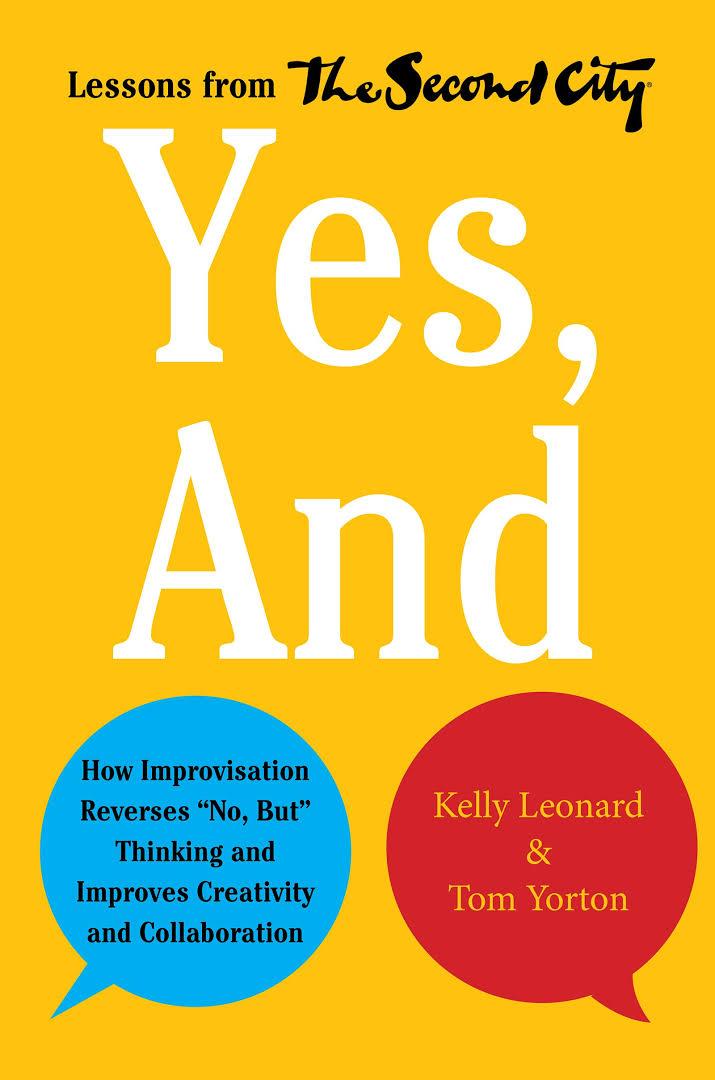
Yes, And
How Improvisation Reverses No, But Thinking and Improves Creativity and Collaboration
Kelly Leonard; Tom Yorton
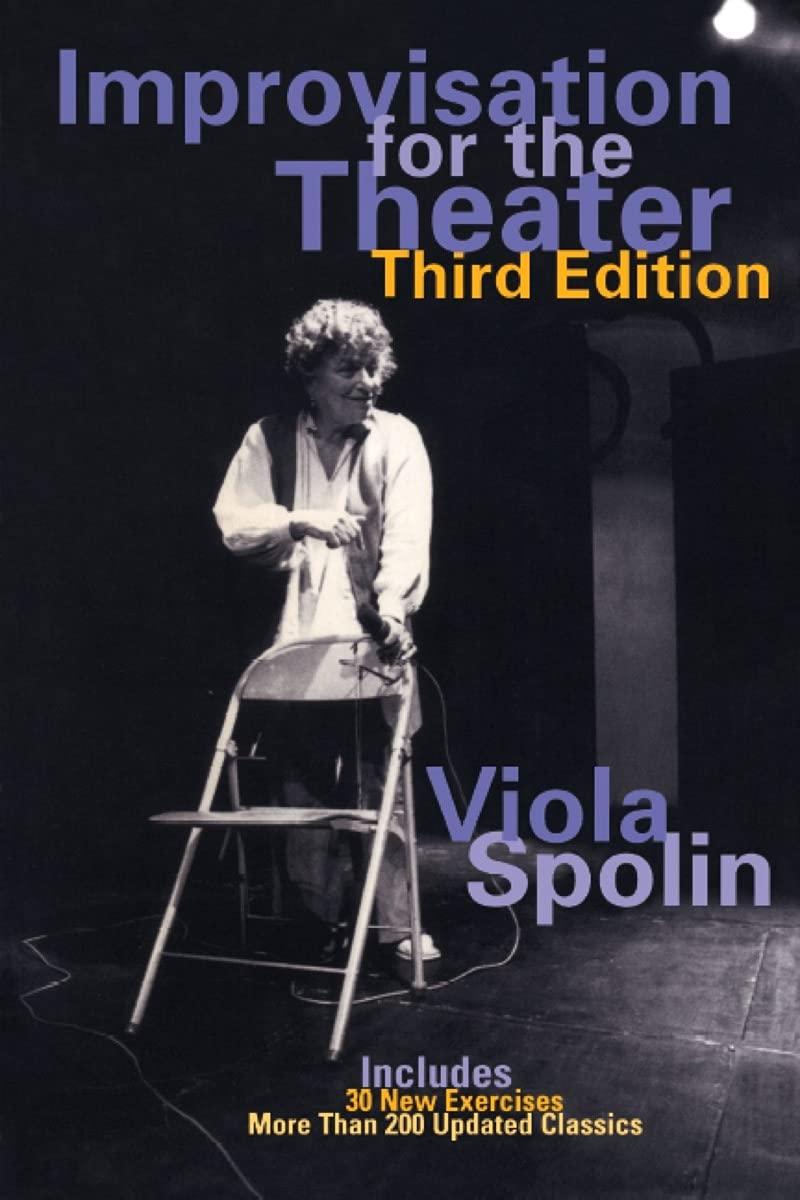
Improvisation for the Theater
A Handbook of Teaching and Directing Techniques
Viola Spolin

Improvised Theatre and the Autism Spectrum
A Practical Guide
Gary Kramer; Richie Ploesch

The Applied Improvisation Mindset
Tools for Transforming Individuals, Organizations, and Communities
Theresa Robbins Dudeck; Caitlin McClure

Business Improv
Experiential Learning Exercises to Train Employees
Val Gee

Playing Along
37 Group Learning Activities Borrowed from Improvisational Theater
Izzy Gesell
Related Exercises
Translate Gibberish
Translate Gibberish is an exercise and short-form game in which one performer speaks in invented nonsense language while a second performer translates their speech into English for a third performer or the audience. The exercise trains commitment, physical storytelling, and the skill of reading emotional and physical information rather than linguistic content.
Gibberish Commands
Gibberish Commands is an exercise in which a facilitator gives instructions entirely in gibberish -- an invented, wordless language -- and the group must interpret and execute what they believe was communicated. The exercise sharpens nonverbal reading: tone, gesture, pacing, and physical demonstration carry meaning in the absence of recognizable words. The group discovers how much information travels through channels other than vocabulary, and develops responsiveness to a speaker's full communicative presence.
Gibberish
Gibberish is a foundational improv exercise in which performers communicate using invented nonsense language while relying on vocal tone, facial expression, gesture, and physical action to convey meaning. The exercise demonstrates that communication transcends words and that audiences read emotional truth through nonverbal channels. Gibberish builds confidence in physical and vocal expression, frees performers from dependence on clever dialogue, and reveals how much information the body communicates before language enters the picture. It is one of the most widely used exercises across all improv traditions and appears in the training curricula of Viola Spolin, Keith Johnstone, and nearly every major improv school.
Replay Gibberish
Replay Gibberish is a short-form game in which a scene is first performed in coherent dialogue, then replayed entirely in gibberish. The performers must convey the same story, emotions, and relationships using only invented sounds, facial expressions, and physicality, demonstrating how much communication exists beyond words.
Switch Gibberish
Switch Gibberish is a scene game in which performers alternate between speaking coherent dialogue and speaking in invented gibberish language. The switch happens on a signal from the facilitator or host, requiring performers to maintain scene continuity across radically different modes of communication.
The Lineage
Explore the schools and structures that influenced or evolved from Gibberish Games.
Yes, And (Kelly Leonard & Tom Yorton)
How to Reference This Page
The Improv Archive. (2026). Gibberish Games. Retrieved September 29, 2026, from https://improvarchive.org/exercises/gibberish-games
The Improv Archive. "Gibberish Games." The Improv Archive, 2026. https://improvarchive.org/exercises/gibberish-games.
The Improv Archive. "Gibberish Games." The Improv Archive, 2026, https://improvarchive.org/exercises/gibberish-games. Accessed September 29, 2026.
The Improv Archive is a systemically maintained repository. The archive itself acts as the corporate author.