Listen to Learn
Listen to Learn is an applied improv exercise in which participants practice listening with the explicit purpose of gaining new information rather than confirming what they already believe, preparing a rebuttal, or identifying opportunities to speak. The exercise reframes the goal of listening as learning -- arriving at the end of an exchange knowing something that was not known before -- and trains the kind of open, genuinely curious attention that this purpose requires.
Structure
Setup
Participants work in pairs. The facilitator introduces the framing: the listener's only task is to learn something new from what their partner says. Not to respond, not to agree or disagree, not to find a connection to their own experience -- only to learn.
Progression
One partner speaks for two to three minutes on any topic. The listener attends with full focus, explicitly setting aside the preparation of a response or reaction. At the end of the speaking period, the listener names three specific things they learned -- not summaries or impressions, but actual new information or perspectives they did not have before.
Roles switch. A brief pair debrief follows before the full group reconvenes.
Conclusion
The exercise ends with a group debrief that surfaces what participants noticed about the quality of attention required by the learn-oriented listening frame versus their habitual listening mode.
How to Teach It
Objectives
Listen to Learn trains the shift from evaluative listening (assessing what is being said against a known framework) to acquisitive listening (treating what is being said as new information worth receiving). The distinction is subtle but productive: it reorients the listener's cognitive posture from judgment to inquiry.
How to Explain It
"Your only job is to learn something. Not to prepare your response, not to decide whether you agree -- just to end this conversation knowing something you didn't know before. Everything you hear is new information. Receive it."
Scaffolding
Begin with topics where participants are likely to have limited existing knowledge before introducing topics where they may have strong opinions or prior experience. The exercise is most productive when the learner-frame is genuinely applied, not performed.
Common Pitfalls
Participants often name as "things they learned" the points they already agreed with or that confirmed their existing views. Coach participants to specifically identify information that was genuinely new -- something that expanded rather than confirmed their existing understanding.
In Applied Settings
Learning Objectives
Listen to Learn trains the cognitive and attentional shift from evaluative listening to acquisitive listening. The exercise develops the habit of approaching a conversation as a learning opportunity rather than a platform for response preparation, a shift that improves the quality of information intake in professional settings where listening is habitually filtered through prior frameworks, opinions, and defensive or competitive interests.
Workplace Transfer
In organizations, many costly communication failures happen when participants in meetings, feedback sessions, or strategic discussions believe they are listening while actually filtering incoming information through what they already believe. A manager who listens to evaluate whether a team member's concern is valid, a leader who listens in a strategy session to identify openings to advance a preferred position, or a professional who listens in a client conversation to identify the moment to pitch -- all are engaged in a form of listening that reduces their access to new information. Listen to Learn trains the alternative: arriving at a conversation with genuine openness to being changed by what is heard.
Facilitation Context
The exercise is used in communication skills training, leadership development, negotiation and influencing workshops, and cross-functional collaboration programs where the quality of information exchange has been identified as a friction point. It pairs well with feedback-focused sessions where the ability to genuinely hear critical information without immediately defending against it is a development target. Groups of any size can participate in pairs.
Debrief Framing
After the exercise, ask: What did you learn? What was difficult about setting aside evaluation? Where in your conversations at work do you notice yourself listening to confirm rather than to learn? What would change about those conversations if you arrived in them with this quality of attention?
Skills Developed
Worth Reading
See all books →
Business Improv
Experiential Learning Exercises to Train Employees
Val Gee

The Applied Improvisation Mindset
Tools for Transforming Individuals, Organizations, and Communities
Theresa Robbins Dudeck; Caitlin McClure
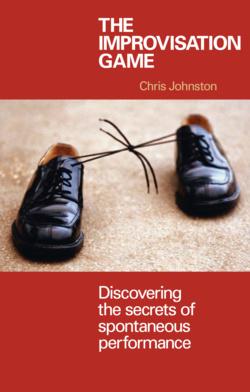
The Improvisation Game
Discovering the Secrets of Spontaneous Performance
Chris Johnston

Playing Along
37 Group Learning Activities Borrowed from Improvisational Theater
Izzy Gesell

You Can Teach Improv (Yes, You!)
The Ultimate Guide to Class Planning, Skill Building, and Helping Every Student Leave With a Win
Andrew Berkowitz
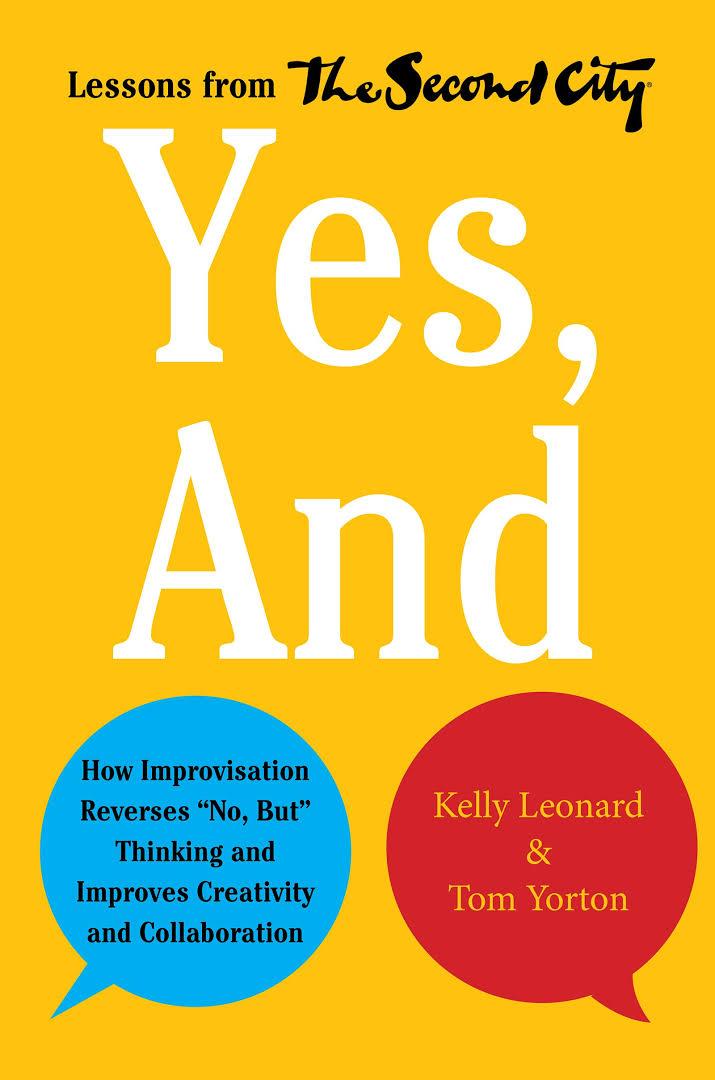
Yes, And
How Improvisation Reverses No, But Thinking and Improves Creativity and Collaboration
Kelly Leonard; Tom Yorton
Related Exercises
Listen to Understand, Not to Respond
Listen to Understand, Not to Respond is an applied improv exercise that directly targets the most common pattern of inadequate listening in professional settings: the habit of spending the duration of another person's speaking turn formulating a response rather than receiving what is being said. The exercise creates a structured constraint -- participants may not respond until they have first reflected back what they heard to the speaker's satisfaction -- making the response-preparation habit visible and interrupting it through practice.
Listen Up ... Listen!
Listen Up, Listen is an applied improv listening exercise structured in two stages: a priming phase in which participants direct their attention outward to environmental sounds and the voices of others, followed by a partner-listening phase in which they practice full-body, full-attention listening without preparing a response. The two-stage structure creates a deliberate transition from ambient environmental awareness to focused interpersonal listening.
Learn to Be Looked At
Learn to Be Looked At is an applied improv exercise in which participants practice being the subject of others' attention without deflecting, performing, or withdrawing. The exercise addresses the discomfort most people feel when held in a sustained gaze and trains the capacity to remain present, open, and grounded while being observed -- a foundational skill for anyone who presents, leads, or regularly holds attention in professional or public settings.
Listening Game
Listening Game is a category of applied improv exercises that use game structures -- rules, constraints, competitive elements, or playful formats -- to make the practice of active listening engaging and its requirements concrete. The Listening Game as a distinct entry encompasses the range of structured listening activities used in applied improv that do not fit a single specific technique but share the common feature of making listening the primary and explicitly tested skill of the activity.
Listening Exercise (Eyes Closed)
Listening Exercise, Eyes Closed is an applied improv exercise in which participants close their eyes and attend to the full auditory environment -- ambient sounds, partner voices, silence -- without the organizing and filtering influence of visual input. By removing vision, the exercise isolates the auditory channel and trains a more complete, unmediated form of listening that can be difficult to access when visual processing is active.
Observe
Observe is an applied improvisation exercise in which participants practice deliberate, sustained observation of their environment, other people, or a group dynamic without intervening, interpreting, or acting. The exercise trains the foundational skill of seeing clearly before responding -- a capacity that underpins effective leadership, facilitation, and collaborative work.
The Lineage
Explore the schools and structures that influenced or evolved from Listen to Learn.
Business Improv (Gee & Gee)
How to Reference This Page
The Improv Archive. (2026). Listen to Learn. Retrieved September 28, 2026, from https://improvarchive.org/exercises/listen-to-learn
The Improv Archive. "Listen to Learn." The Improv Archive, 2026. https://improvarchive.org/exercises/listen-to-learn.
The Improv Archive. "Listen to Learn." The Improv Archive, 2026, https://improvarchive.org/exercises/listen-to-learn. Accessed September 28, 2026.
The Improv Archive is a systemically maintained repository. The archive itself acts as the corporate author.