Massage
Massage is a physical warm-up exercise in which players pair up or form a circle and give brief shoulder, neck, or back massages to release physical tension before a rehearsal or performance. The exercise builds physical trust within the ensemble, helps performers relax into their bodies, and establishes a baseline of comfortable physical contact that supports the physical scene work to follow. Massage is typically used as part of a larger warm-up sequence, often following high-energy exercises to bring the group's energy down to a focused, grounded state.
Structure
The group forms a circle facing the same direction, so each player stands behind another player's back. On the facilitator's signal, players begin giving a gentle shoulder and upper-back massage to the person in front of them.
The facilitator coaches the group through different techniques: kneading the shoulders, pressing along the spine with thumbs, tapping the upper back, squeezing the trapezius muscles. The massage is brief, running two to three minutes in each direction.
The facilitator calls for the group to turn and face the opposite direction, so each player now massages the person who was just massaging them. This reciprocity ensures everyone receives the same attention they gave.
Variations include paired massage (partners face away from each other and take turns), seated massage (performers sit while a partner works on their shoulders), and self-massage (performers use their own hands to release tension in their neck, jaw, and shoulders, guided by the facilitator).
The exercise concludes with a moment of stillness in which performers notice the difference in their physical state: released shoulders, softer jaw, more relaxed breathing.
The facilitator should offer alternatives for performers who prefer not to receive physical contact. Self-massage or stretching provides a parallel activity without requiring touch.
How to Teach It
How to Explain It
"Find a partner. You are going to give them a massage. This is not a warm-up: it is a trust exercise. Be present, be intentional, be appropriate. This person is letting you touch them. Treat that seriously."
Massage is valuable as a trust-building exercise because physical contact establishes a different kind of ensemble bond than verbal or performative exercises create. Groups that share physical care tend to perform with greater mutual support and willingness to take risks.
The exercise must be introduced with clear boundaries. The facilitator specifies the areas of the body that are appropriate for massage (shoulders, upper back, neck) and emphasizes that any performer can opt out or modify the exercise at any time. Consent is non-negotiable.
Coach for attentive, responsive touch rather than mechanical rubbing. A performer who notices their partner carrying tension in a specific area and adjusts their attention accordingly is practicing the same responsiveness that drives good scene work: noticing what a partner needs and providing it.
The exercise works best as a transition within a warm-up sequence. After high-energy physical games, massage brings the group's energy down to a focused, present state. After cognitive exercises, massage reconnects performers with their bodies. The exercise's placement in the warm-up determines its function.
Worth Reading
See all books →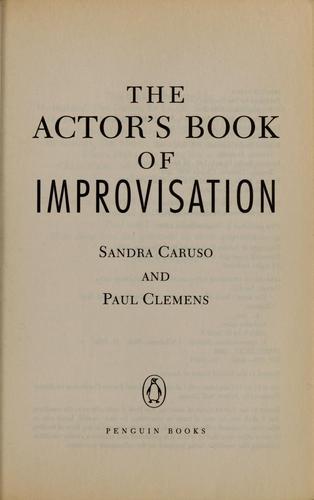
The Actor's Book of Improvisation
Sandra Caruso; Paul Clemens

Something from Nothing
The Technique of Improvisation
Richard Goteri
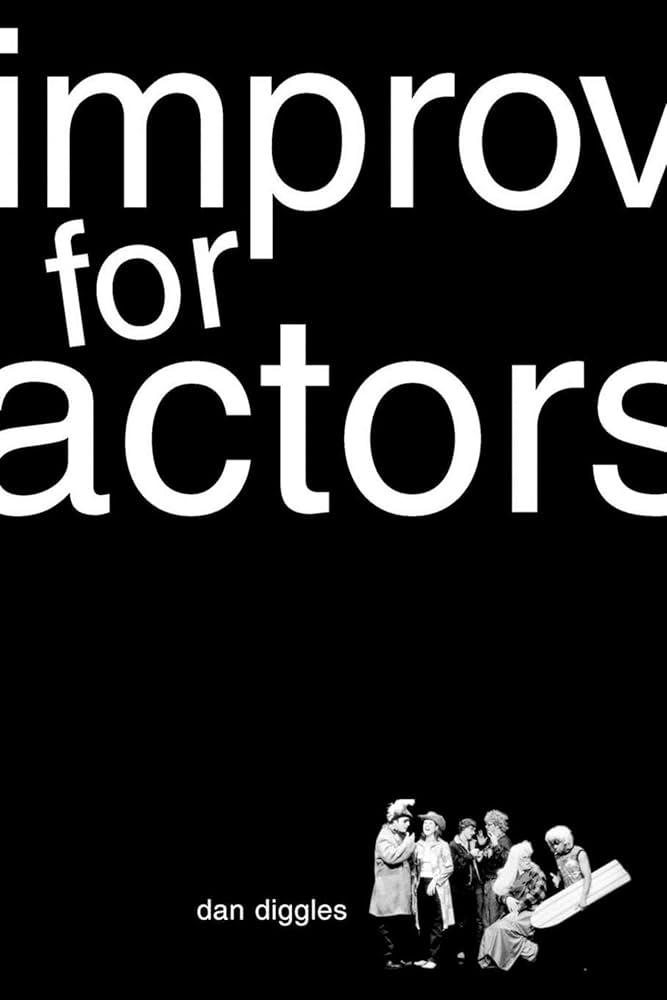
Improv for Actors
Dan Diggles

The 5 Elements of Improv
How to Take Your Improv to the Next Level
Andrew M. Spragge; Karen L. Eichler
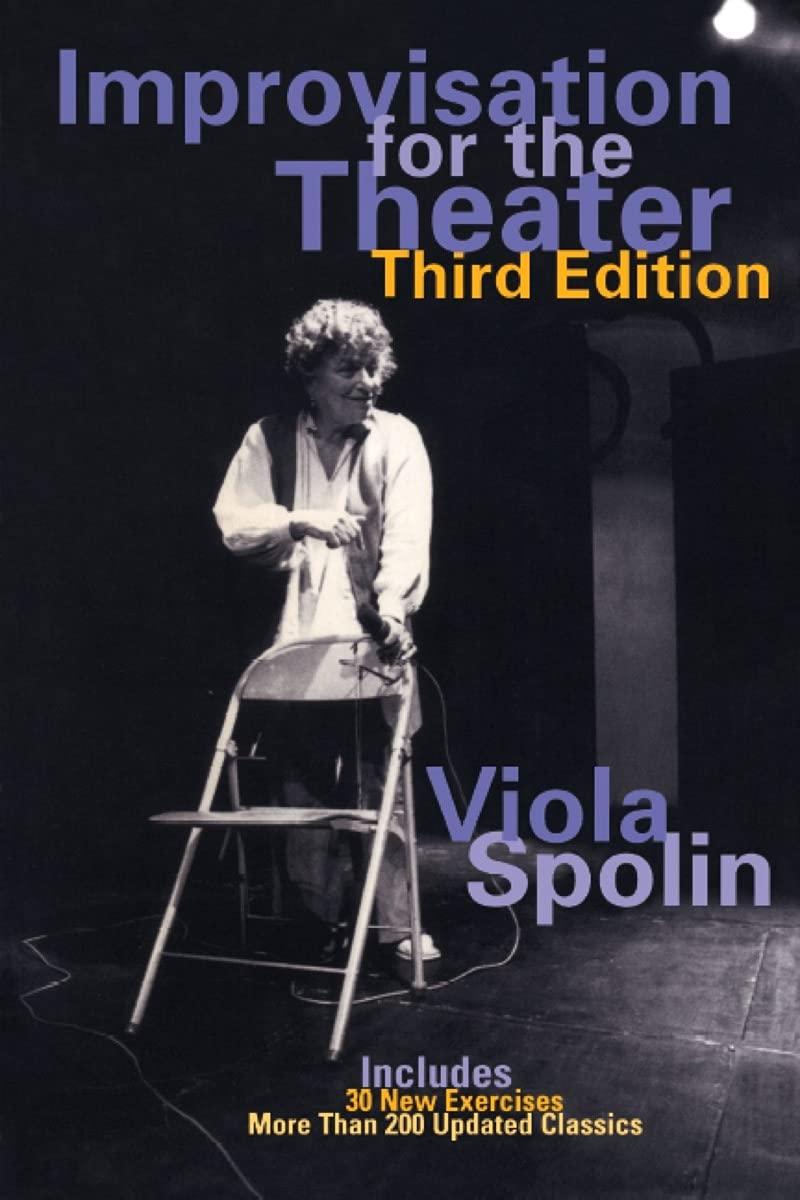
Improvisation for the Theater
A Handbook of Teaching and Directing Techniques
Viola Spolin
Theater Games for Rehearsal
Viola Spolin
Related Exercises
Trust Exercise
Trust Exercise is an ensemble warm-up in which players practice physical vulnerability and mutual support through structured trust-fall and trust-lift configurations. One player allows their body to be caught, supported, or passed by the group, developing the physical and psychological openness that ensemble ensemble work requires. The exercise builds ensemble cohesion by making reliance on others literal and concrete.
Stretching
Stretching is a physical warm-up practice in which performers release tension and increase range of motion through guided or self-directed body movement before a rehearsal or performance. The practice grounds players in their bodies, signals the transition from everyday life into creative readiness, and reduces the risk of physical strain during exercises that involve movement, physicality, or sustained ensemble work.
Fingertips
Fingertips is a trust and sensitivity exercise in which two performers connect through their fingertips and move together through the space. The minimal point of contact demands heightened physical listening and mutual care. Each partner must simultaneously lead and follow, responding to subtle shifts in pressure and direction without verbal communication. The exercise builds the kind of delicate partner awareness that transfers directly to subtle, responsive scene work.
Heartbeat
Heartbeat is a focus and relaxation exercise in which players find their own pulse and use the rhythm as a centering tool. The heartbeat becomes an anchor for concentration and physical presence, quieting external distractions and connecting performers to their own bodies before work begins. The exercise creates a transition from the outside world into the rehearsal or performance space, establishing the focused, present state that improvisation requires.
Breathing
Breathing is a foundational warm-up exercise in which performers practice controlled inhalation and exhalation to release physical tension, quiet mental chatter, and center their focus before rehearsal or performance. Variations include diaphragmatic breathing, counted breath patterns, and synchronized group breathing in which an ensemble inhales and exhales together. The exercise builds awareness of the body as an instrument, training performers to recognize and release habitual tension patterns that restrict vocal production, physical freedom, and emotional availability. Breathing exercises appear across virtually every performance training tradition, from Viola Spolin's theatre games to Augusto Boal's actor preparation sequences, and remain one of the most universally practiced warm-up activities in both theatrical and applied improvisation contexts.
Slappy Face
Slappy Face is a physical warm-up exercise in which players gently tap their own faces and bodies to wake up their physical awareness and increase blood flow, preparing the body and voice for performance through self-administered percussive stimulation.
How to Reference This Page
The Improv Archive. (2026). Massage. Retrieved September 29, 2026, from https://improvarchive.org/exercises/massage
The Improv Archive. "Massage." The Improv Archive, 2026. https://improvarchive.org/exercises/massage.
The Improv Archive. "Massage." The Improv Archive, 2026, https://improvarchive.org/exercises/massage. Accessed September 29, 2026.
The Improv Archive is a systemically maintained repository. The archive itself acts as the corporate author.