Stretching
Stretching is a physical warm-up practice in which performers release tension and increase range of motion through guided or self-directed body movement before a rehearsal or performance. The practice grounds players in their bodies, signals the transition from everyday life into creative readiness, and reduces the risk of physical strain during exercises that involve movement, physicality, or sustained ensemble work.
Structure
Setup
The group gathers in a clear floor space with enough room for each player to extend their arms and move without touching others. No equipment is required. The facilitator or a designated player leads the sequence, or the group self-directs.
Progression
A typical warm-up sequence moves from the extremities toward the center of the body, or from gentle range-of-motion movements to more sustained holds. Common sequences include neck rolls, shoulder rotations, arm and wrist circles, side stretches, hamstring reaches, calf stretches, and hip openers. The sequence is adapted to the needs of the group and the physical demands of the work ahead.
Lynda Belt and Rebecca Stockley recommend beginning improv warm-ups with physical body exercises before moving to movement and vocal work, as the physical preparation underpins all subsequent ensemble activity. Sybil Noreen Telander identifies Gay Luce's Your Second Life as a source for gentle stretching and flexibility exercises particularly suited to older adult participants.
The Improv Illusionist author Raitt recommends regular stretching specifically to address the physical demands of stage performance, noting that flexibility work reduces the muscle cramps that can occur during sustained physical play.
Conclusion
The warm-up concludes when the facilitator signals the transition to the first exercise. The physical routine serves as a clear threshold: the rehearsal has not begun in earnest until the body is ready.
Common Pitfalls
Groups that rush through stretching without full engagement defeat its purpose. A perfunctory stretch that players perform while mentally planning their day provides neither physical benefit nor the transition-marking function that makes warm-up rituals pedagogically useful.
Facilitators working with mixed-age or mixed-ability groups must adapt sequences to ensure all participants can engage safely. Stretching routines designed for young professional actors may not be appropriate for older adults, youth participants, or groups with limited mobility.
How to Teach It
How to Explain It
"Find a spot in the room. We are going to stretch. Follow along, and go to the edge of what is comfortable. The body you bring to the stage carries the tension you carry into the room. Let us start with what we have."
Objectives
Stretching serves both a physical and a psychological function in improv training. Physically, it releases tension held in the body from everyday activity and increases the range of motion available to players during physicality-intensive exercises. Psychologically, it marks the beginning of the creative session, signals that participants are in a different mode from their daily routine, and builds collective focus through shared physical practice.
Scaffolding
For groups new to ensemble warm-ups, keep the stretching sequence brief (five to seven minutes) and consistent across sessions. Predictability in the physical routine reduces the cognitive demand of the transition and allows the group to arrive in creative readiness faster over time.
For older adult groups, Telander recommends gentle, persistent instruction drawn from somatic traditions that prioritize ease and range of motion over intensity. Physical warm-ups for older adults should never push into discomfort and should offer alternatives for participants with mobility limitations.
For advanced groups, the facilitator may lead stretching with closed eyes, shifting the focus from external instruction to internal body awareness.
Common Coaching Notes
- "Notice where you are holding tension. Let the stretch find it."
- "Move at your own pace. We are not racing."
- "As you breathe out, release into the stretch a little further."
- "By the time we finish this, your body should feel open and ready. Not tired. Ready."
History
Stretching as preparation for physical performance has been a standard component of actor training across movement-based theatre traditions throughout the twentieth century. Its integration into improv warm-up practice reflects the influence of physical theatre pedagogy on the improvisation curriculum.
Viola Spolin's warm-up sequences in Improvisation for the Theater (1963) include physical preparation exercises that precede the theatre game curriculum. The influence of Rudolf Laban's movement analysis on actor training programs in the United Kingdom and the United States throughout the mid-century established body-preparation work as a foundational element of ensemble training.
Augusto Boal incorporates physical warm-up sequences throughout Games for Actors and Non-Actors (1992), including partner-assisted stretches and rolling exercises designed to build physical trust and body awareness within the ensemble before moving to theatre games.
No specific improv originator for the Stretching practice as documented here has been identified. It is a shared practice across theatre, dance, and athletic training traditions that has been adopted into the improv curriculum as standard pre-rehearsal and pre-performance preparation.
Worth Reading
See all books →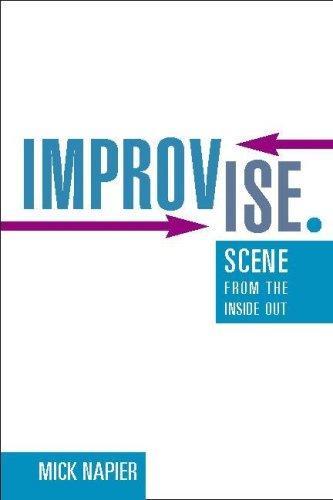
Improvise
Scene from the Inside Out
Mick Napier
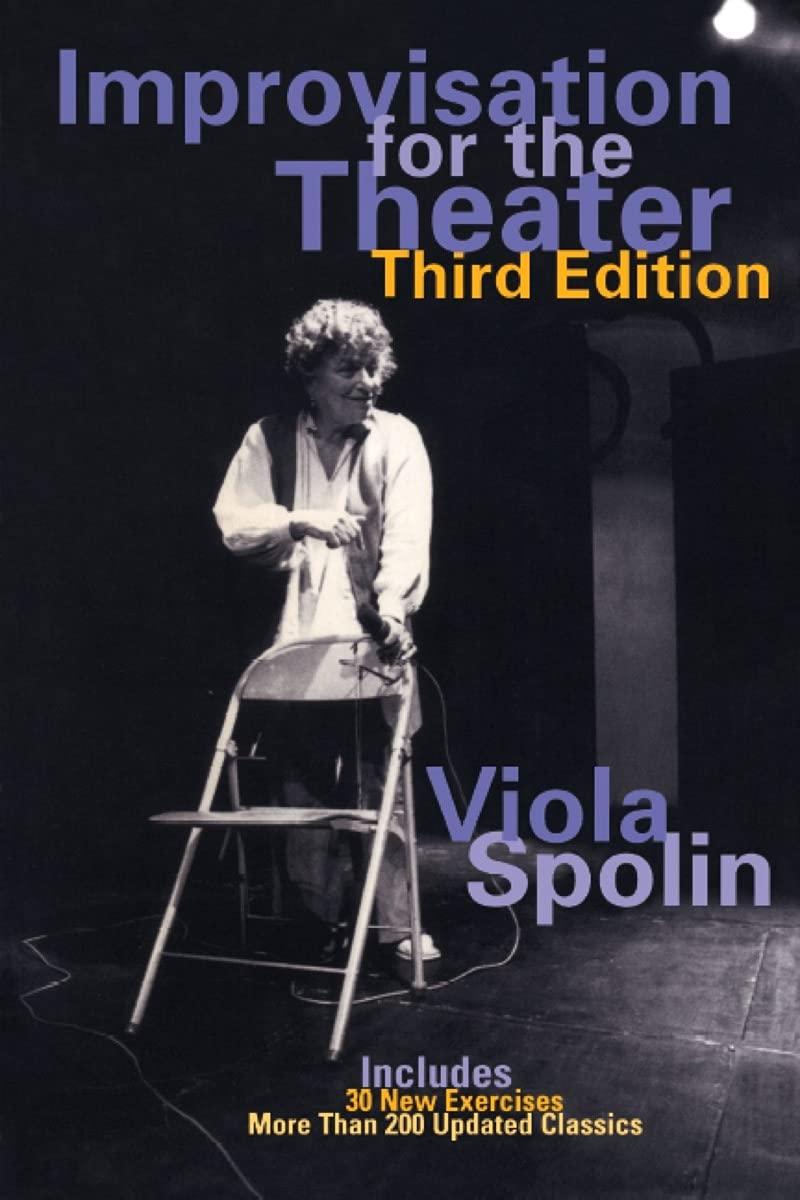
Improvisation for the Theater
A Handbook of Teaching and Directing Techniques
Viola Spolin

Mask Improvisation for Actor Training and Performance
the compelling image
Sears A. Eldredge

Long Form Improvisation and American Comedy
The Harold
Matt Fotis

Whose Improv Is It Anyway?
Beyond Second City
Amy E. Seham
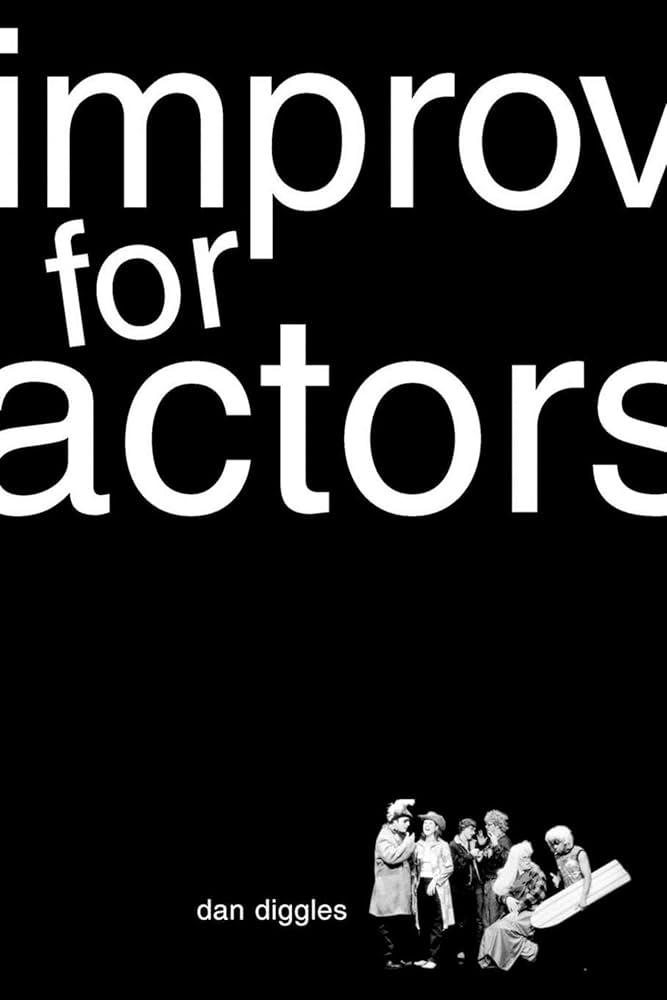
Improv for Actors
Dan Diggles
Related Exercises
Breathing
Breathing is a foundational warm-up exercise in which performers practice controlled inhalation and exhalation to release physical tension, quiet mental chatter, and center their focus before rehearsal or performance. Variations include diaphragmatic breathing, counted breath patterns, and synchronized group breathing in which an ensemble inhales and exhales together. The exercise builds awareness of the body as an instrument, training performers to recognize and release habitual tension patterns that restrict vocal production, physical freedom, and emotional availability. Breathing exercises appear across virtually every performance training tradition, from Viola Spolin's theatre games to Augusto Boal's actor preparation sequences, and remain one of the most universally practiced warm-up activities in both theatrical and applied improvisation contexts.
Loosen Up
Loosen Up is an applied improv physical warm-up exercise that targets the release of habitual physical tension, protective body posture, and the physical holding patterns that individuals bring into group settings. The exercise uses guided physical movement, shaking, and release to help participants arrive more fully in their bodies before group work begins, reducing the physical constriction that inhibits spontaneity, voice, and physical expressiveness.
Barney
Barney is an energy and movement warm-up exercise in which players adopt an exaggerated, lumbering physical character and interact with the group through simple, playful commands. The exercise asks participants to embody a large, slow, friendly creature (often described as a dinosaur or monster) and move through the space with maximum physical commitment and minimum self-consciousness. The inherent silliness of the character lowers inhibitions quickly, making Barney effective as an early warm-up for groups that are new to physical work or uncomfortable with large physical choices. The exercise builds comfort with exaggerated movement, vocal projection, and the willingness to look ridiculous in front of others, all foundational skills for improv performance.
Volcano
Volcano is a group warm-up exercise in which the ensemble builds collective vocal and physical energy gradually from silence to a full explosive release, then returns to silence. The exercise calibrates the group's shared energy and teaches performers to build and release intensity together as a single unit. It functions as an energizer and ensemble-synchronization exercise.
Flexibility
Flexibility is a category of applied improv exercises designed to develop mental and behavioral flexibility when plans change unexpectedly. The exercises use improv's fundamental practice of responding to changing conditions -- rather than resisting or mourning them -- as a template for building the adaptive capacity that professional environments require when strategies, schedules, or circumstances shift without warning.
Popcorn
Popcorn is an ensemble energy exercise in which players crouch on the ground and pop up one at a time to shout a word, sound, or short phrase before dropping back down. The group must self-regulate so that pops do not overlap and the rhythm stays dynamic. The exercise builds group awareness, spontaneity, and the instinct to fill empty space without stepping on others.
How to Reference This Page
The Improv Archive. (2026). Stretching. Retrieved September 28, 2026, from https://improvarchive.org/exercises/stretching
The Improv Archive. "Stretching." The Improv Archive, 2026. https://improvarchive.org/exercises/stretching.
The Improv Archive. "Stretching." The Improv Archive, 2026, https://improvarchive.org/exercises/stretching. Accessed September 28, 2026.
The Improv Archive is a systemically maintained repository. The archive itself acts as the corporate author.