Name and Boring Fact
Name and Boring Fact is an introductory exercise in which each participant shares their name alongside a deliberately uninteresting fact about themselves. By lowering the stakes of the introduction -- removing the pressure to be clever or impressive -- the exercise creates a relaxed and often unexpectedly amusing group dynamic, and gives participants a shared touchstone for the rest of the session.
Structure
Setup
The group stands or sits together. No preparation is needed. The facilitator explains that the boring fact must genuinely aim for dullness -- not ironic dullness or a fact that secretly reveals something remarkable, but honest, mundane detail.
Progression
Each participant takes a turn stating their name and their boring fact. Examples might include: "My name is Sarah and I had cereal for breakfast," or "My name is Marcus and I usually go to bed around ten." The group listens to each introduction without evaluation or commentary.
The facilitator may invite the group to respond to each introduction with a flat, sincere "Thank you, [name]," creating a ceremonious rhythm that contrasts with the mundane content. The contrast between formality and boredom often produces warmth and laughter without anyone trying to be funny.
Conclusion
The round ends when everyone has introduced themselves. The facilitator can follow up by asking if anyone remembers a fact from the round, reinforcing name retention as a secondary payoff.
How to Teach It
Objectives
Name and Boring Fact removes the social anxiety of having to be interesting. By making dullness the explicit goal, it frees participants from the pressure to perform or impress, and creates a low-stakes entry point for a group that may be nervous or new to each other.
How to Explain It
"We are going to go around and introduce ourselves. Say your name and one boring fact about yourself -- the more ordinary the better. Not a fun fact. Not something you're proud of. Something that is simply true and unremarkable."
Scaffolding
For groups that struggle to think of something sufficiently boring -- because they keep reaching for something clever -- the facilitator can offer examples in advance: what you had for lunch, how long your commute was, what time you woke up. With very self-conscious groups, the facilitator goes first and demonstrates genuine willingness to be uninteresting. Advanced groups can be challenged to top each other in boringness, which paradoxically creates competition and energy.
Common Pitfalls
Participants often reach for "boring" facts that are actually somewhat interesting -- a quirky hobby, an unusual job. Gently redirect them toward genuine mundanity. The exercise loses its effect if participants compete for the funniest boring fact; keep the tone earnest and sincere.
Worth Reading
See all books →
Playing Along
37 Group Learning Activities Borrowed from Improvisational Theater
Izzy Gesell
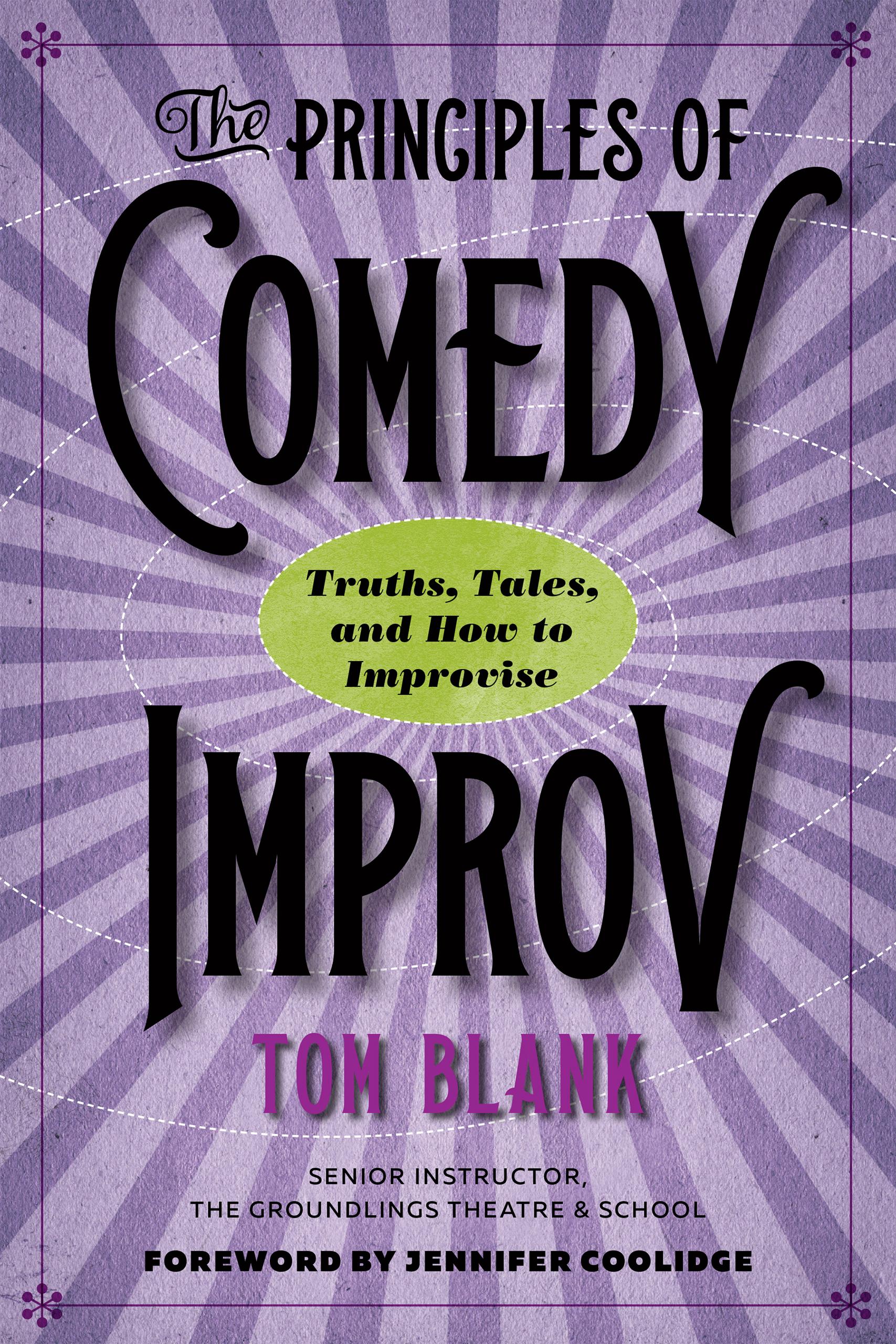
The Principles of Improv Comedy
Tom Blank

Improvisation
Use What You Know, Make Up What You Don't
Brad Newton

Business Improv
Experiential Learning Exercises to Train Employees
Val Gee
Theater Games for Rehearsal
Viola Spolin

Improvisation Starters
A Collection of 900 Improvisation Situations for the Theater
Philip Bernardi
Related Exercises
Name and Motion
Name and Motion is a name-learning exercise in which each participant says their name while simultaneously performing a physical gesture or movement of their choosing. The group then mirrors both the name and the motion back in unison. The pairing of verbal and physical information creates multiple memory anchors, making name retention significantly more reliable than verbal-only introductions.
Name and Life Hack
Name and Life Hack is an introductory exercise in which each participant shares their name and a practical tip, shortcut, or small discovery they have found genuinely useful in daily life. The exercise creates an immediate sense of mutual helpfulness within the group, surfaces unexpected common ground, and provides a memorable anchor for each person's name.
New Object Name and Application
New Object Name and Application is an applied improvisation exercise in which participants are given an ordinary everyday object, assign it a completely new name, and then pitch a convincing use case for it under its new identity. The exercise trains spontaneous creative reframing, confident presentation under uncertainty, and the ability to find value in unexpected contexts.
Story of Your Name
Story of Your Name is an icebreaker exercise in which each player shares the real or imagined story behind their name. Participants can tell the true origin of their name, invent a fictional backstory, or blend both, creating a personal connection with the group from the first moments of a workshop.
Name and Applause
Name and Applause is a group introductory exercise in which each participant states their name and receives a full round of applause from the group. The exercise creates an immediate experience of being seen and celebrated, lowers self-consciousness in new groups, and establishes a culture of generous acknowledgment from the first minutes of a rehearsal or workshop.
Introducing Association
Introducing Association is a name-learning exercise that combines self-introduction with word association. Each player introduces themselves by name and adds a word, image, or gesture that they associate with their name. Subsequent players repeat all previous names and associations before adding their own. The exercise simultaneously learns names and warms up the associative thinking required for improvisation, building memory through the concrete links that association provides.
How to Reference This Page
The Improv Archive. (2026). Name and Boring Fact. Retrieved October 15, 2026, from https://improvarchive.org/exercises/name-and-boring-fact
The Improv Archive. "Name and Boring Fact." The Improv Archive, 2026. https://improvarchive.org/exercises/name-and-boring-fact.
The Improv Archive. "Name and Boring Fact." The Improv Archive, 2026, https://improvarchive.org/exercises/name-and-boring-fact. Accessed October 15, 2026.
The Improv Archive is a systemically maintained repository. The archive itself acts as the corporate author.