Narrative, Color, Emotion
Narrative Color Emotion is a scene-building exercise in which performers construct a scene by layering three distinct types of contribution in rotation: narrative (plot-level information), color (sensory or atmospheric detail), and emotion (a felt response to the circumstances). The structured rotation prevents scenes from stalling in pure action or pure feeling, and trains performers to build scenes that are simultaneously propulsive, vivid, and emotionally alive.
Structure
Setup
Two to four performers stand or sit ready to begin a scene. The facilitator explains the three layers before starting: narrative moves the story forward, color adds texture and atmosphere, and emotion connects a character's inner life to the events. A suggestion is gathered from the audience or assigned by the facilitator.
Progression
Performers begin the scene with an opening offer. As the scene unfolds, the facilitator calls out one of the three labels -- "Narrative," "Color," or "Emotion" -- and the active performer must immediately shift their next contribution to that register.
Narrative contributions advance the plot: new information, decisions, actions. Color contributions describe the sensory environment: what the space looks, sounds, smells, or feels like. Emotion contributions name or physicalize a character's inner state in response to what has just happened.
The exercise can run with the facilitator calling the labels externally, or with performers trained to shift registers autonomously after each beat.
Conclusion
The scene ends when the facilitator calls a stop, or when the performers have demonstrated facility with all three registers without prompting. A debrief identifies which register came most naturally and which required the most deliberate effort.
How to Teach It
Objectives
Narrative Color Emotion trains scene completeness. Many performers default to a single register -- all action with no feeling, or all emotion with no forward movement. The exercise makes the imbalance visible and gives performers a structured way to notice and correct it.
How to Explain It
"There are three things a good scene needs: stuff that happens, what the world feels like around the stuff, and how the characters feel about the stuff. Narrative is the stuff. Color is the world. Emotion is the feeling. We are going to build scenes that have all three."
Scaffolding
Begin with the facilitator calling all labels externally so performers can focus on execution rather than self-monitoring. After two or three rounds, remove the external calls and have performers practice shifting registers on their own. Advanced groups can run scenes where each performer is assigned one register exclusively, then discuss how the scene suffered when one layer went missing.
Common Pitfalls
Performers often resist the emotion register, offering surface-level reactions rather than genuine felt responses. Coach them to slow down when the emotion label is called and actually connect to what the circumstances would feel like, rather than narrating the emotion from outside. A second common drift is treating color as stage directions -- describing the set rather than the lived sensory experience of being in a space.
Worth Reading
See all books →
Theatrical Improvisation, Consciousness, and Cognition
Clayton D. Drinko

The Young Actor's Book of Improvisation
Dramatic Situations
Sandra Caruso; Susan Kosoff

Action Theater
The Improvisation of Presence
Ruth Zaporah

Improvised Theatre and the Autism Spectrum
A Practical Guide
Gary Kramer; Richie Ploesch

How to Improvise a Full-Length Play
The Art of Spontaneous Theater
Kenn Adams
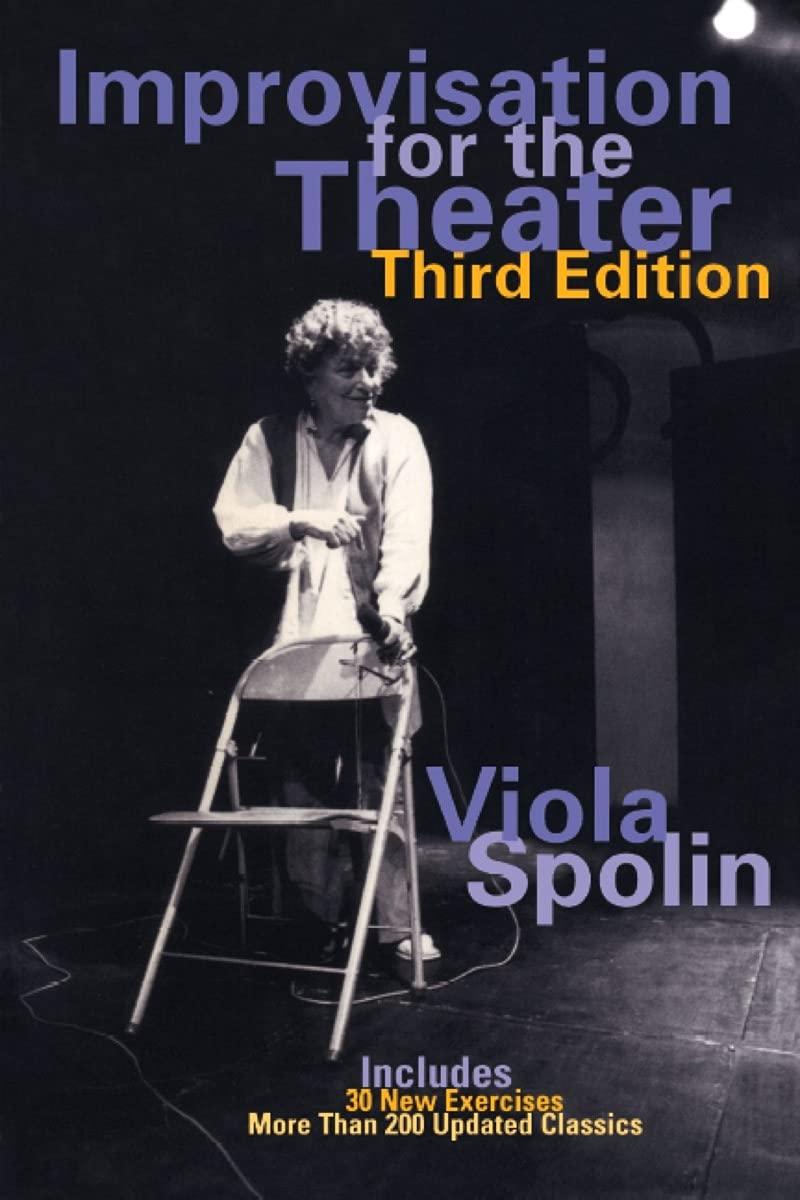
Improvisation for the Theater
A Handbook of Teaching and Directing Techniques
Viola Spolin
Related Exercises
Continuing Emotions
Continuing Emotions is a scene game in which performers cycle through a series of emotional states at the direction of a caller. Each emotional shift must be justified within the scene's reality rather than simply displayed, with characters finding a reason to feel the new state given what has just happened. The game trains emotional range, commitment, and the ability to sustain scene logic through rapid change.
Emotions Characters
Emotions Characters is a character-building exercise in which performers construct a character whose entire identity is defined by a single dominant emotion. Rather than playing a character who experiences an emotion, the performer plays a human being for whom that emotion is the organizing principle of their existence: a person constituted entirely by joy, or anger, or longing, or fear. The exercise develops the skill of using emotion as a generative foundation for character rather than as a surface-level behavioral quality.
Ace
Ace (Advance, Color, Emotion) is a storytelling exercise in which one player narrates while a caller directs them to advance the plot, add descriptive color, or express emotion. The commands train improvisers to balance narrative momentum with sensory detail and emotional depth. It develops well-rounded storytelling instincts that translate directly to scene work.
Color/Advance
Color/Advance is a storytelling exercise in which a narrator tells a story while a caller directs the narrative with two commands: 'Color' adds descriptive detail and texture to the current moment, while 'Advance' moves the plot forward. The exercise reveals and corrects individual storytelling habits, training balance between descriptive richness and narrative momentum.
Emotional Squares
Emotional Squares is a spatial improv exercise and game in which the performance area is divided into a grid of squares, each assigned a distinct emotion. Performers moving through the space must immediately adopt the emotional state of whatever square they occupy. Crossing into a new square produces an immediate emotional shift. The game rewards bold physical choices and clear, committed transitions between emotional states as performers navigate the grid.
How to Reference This Page
The Improv Archive. (2026). Narrative, Color, Emotion. Retrieved September 28, 2026, from https://improvarchive.org/exercises/narrative-color-emotion
The Improv Archive. "Narrative, Color, Emotion." The Improv Archive, 2026. https://improvarchive.org/exercises/narrative-color-emotion.
The Improv Archive. "Narrative, Color, Emotion." The Improv Archive, 2026, https://improvarchive.org/exercises/narrative-color-emotion. Accessed September 28, 2026.
The Improv Archive is a systemically maintained repository. The archive itself acts as the corporate author.