Color/Advance
Color/Advance is a storytelling exercise in which a narrator tells a story while a caller directs the narrative with two commands: 'Color' adds descriptive detail and texture to the current moment, while 'Advance' moves the plot forward. The exercise reveals and corrects individual storytelling habits, training balance between descriptive richness and narrative momentum.
Structure
Setup
One player stands as narrator. A second player (or the coach) acts as caller. The narrator receives a starting point: a simple scenario, a character in a situation, or a one-sentence premise.
The Commands
The narrator begins telling the story aloud. The caller listens and issues one of two directions at any point:
- Color: Stop advancing the plot. Deepen this moment. Add descriptive detail -- sensory information, emotional texture, physical specificity, or character interiority. Remain in this moment.
- Advance: Move forward. Something happens. Skip to the next event or development in the narrative. Do not linger.
The narrator responds immediately to each command without pausing to plan. The story continues through multiple Color and Advance calls.
Conclusion
The caller ends the exercise when the narrative reaches a natural stopping point or when the narrator has worked through a sufficient range of both modes. Players then rotate.
How to Teach It
Objectives
Color/Advance targets the balance between narrative depth and narrative pace. The exercise surfaces each narrator's default storytelling tendency: some narrators color without advancing, producing rich but static descriptions; others advance without coloring, producing fast-moving but emotionally thin stories.
How to Explain It
"You're telling a story. I have two commands. 'Color' means give me more of this moment -- what does it look, smell, feel like? What does the character notice? Don't move forward yet. 'Advance' means skip ahead -- what happens next? Something changes. I'll call one or the other and you keep going without stopping to think."
Scaffolding
With beginners, slow the pace of calls to give narrators time to find each mode before switching. With advanced narrators, call rapidly and close together, narrowing the window for planning and forcing instinctive responses. A useful intermediate drill is having the narrator guess which command is about to be called based on what the story needs, developing internal narrative judgment.
Common Sidocoaching
- "More color -- I want to feel the room, not just see it."
- "Advance now -- you've been in this doorway for a while."
- "Don't plan the advance. Just let something happen."
Common Pitfalls
Narrators who resist Advance often do so because they have not yet committed to what happens next. Sidocoach: "Advance doesn't require knowing where you're going. Just go." Narrators who resist Color often skip past emotionally significant moments because they are more comfortable with action than sensation. Ask them to stop the story's clock and describe what the character is experiencing physically.
In Applied Settings
Learning Objectives
Color/Advance is used in applied settings to develop communication clarity and audience awareness. The two modes directly correspond to real professional communication problems: speakers who over-explain detail without progressing (all color, no advance) and speakers who move so quickly through material that audiences cannot follow or care (all advance, no color). The exercise gives participants a felt experience of both problems and a practical vocabulary for addressing them.
Workplace Transfer
Presenters, educators, project managers, and anyone who communicates complex information to audiences benefits from training in narrative pacing. Color/Advance develops the instinct for when to slow down and build context versus when to move through material quickly. In meetings, the exercise's framework translates into knowing when to elaborate on a decision's rationale and when to simply state the outcome and move on.
Facilitation Context
The exercise appears in storytelling workshops, presentation skills programs, communication training, and narrative leadership development. It works with individuals or small groups of three to five where all participants can observe the narrator and caller interaction.
Debrief Framing
Facilitators ask: "Which command did you resist? When you got a Color call, what did you feel? When you got an Advance call? Where in your professional communication do you think you spend most of your time -- adding detail or moving forward? Which do your audiences need more of?"
Skills Developed
Worth Reading
See all books →
Applied Improvisation
Leading, Collaborating, and Creating Beyond the Theatre
Theresa Robbins Dudeck; Caitlin McClure

The Applied Improvisation Mindset
Tools for Transforming Individuals, Organizations, and Communities
Theresa Robbins Dudeck; Caitlin McClure
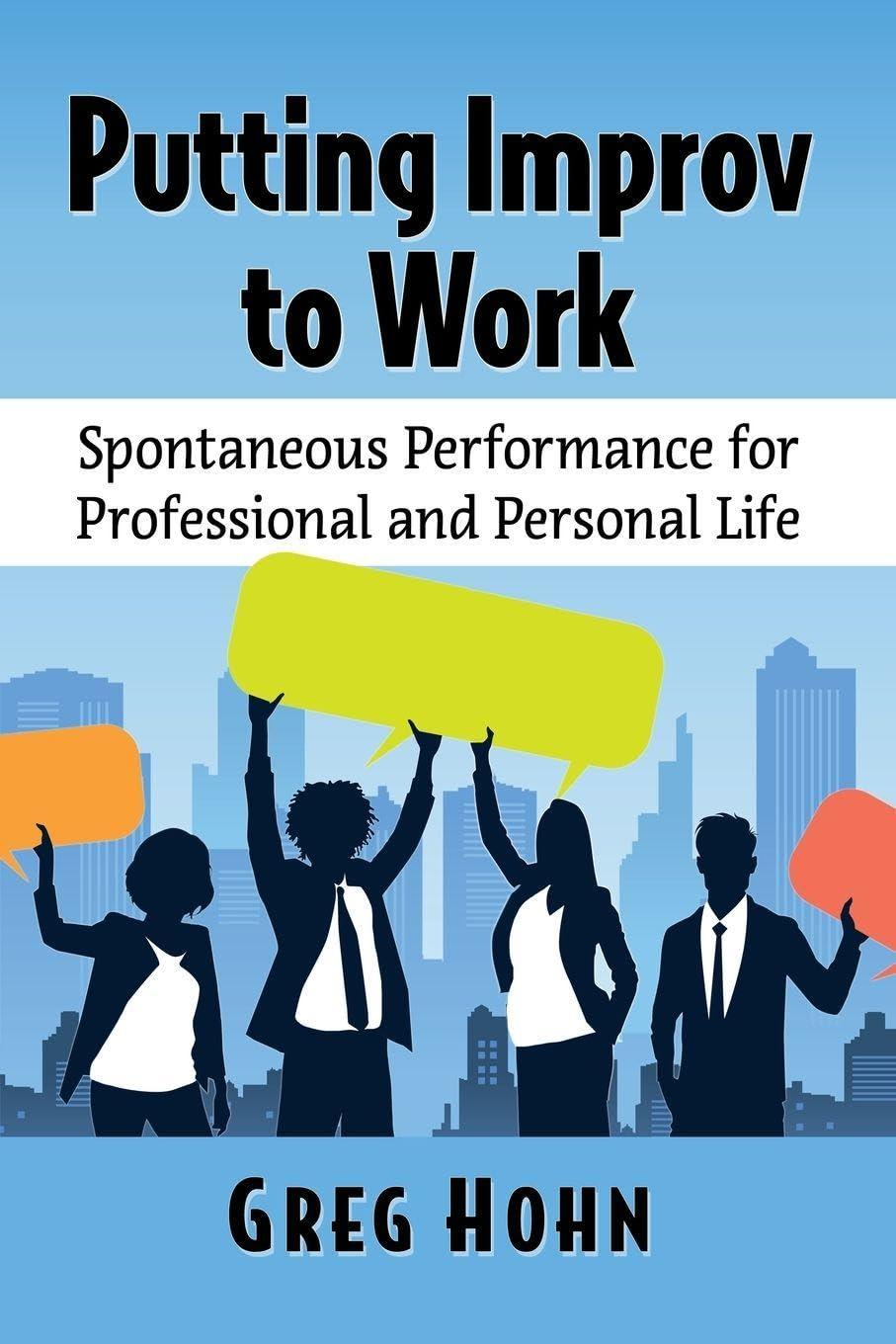
Putting Improv to Work
Spontaneous Performance for Leadership, Learning, and Life
Greg Hohn

Acting Up!
An Innovative Approach to Creative Drama for Older Adults
Marcie Telander; Flora Quinlan; Karol Verson
Theater Games for Rehearsal
Viola Spolin
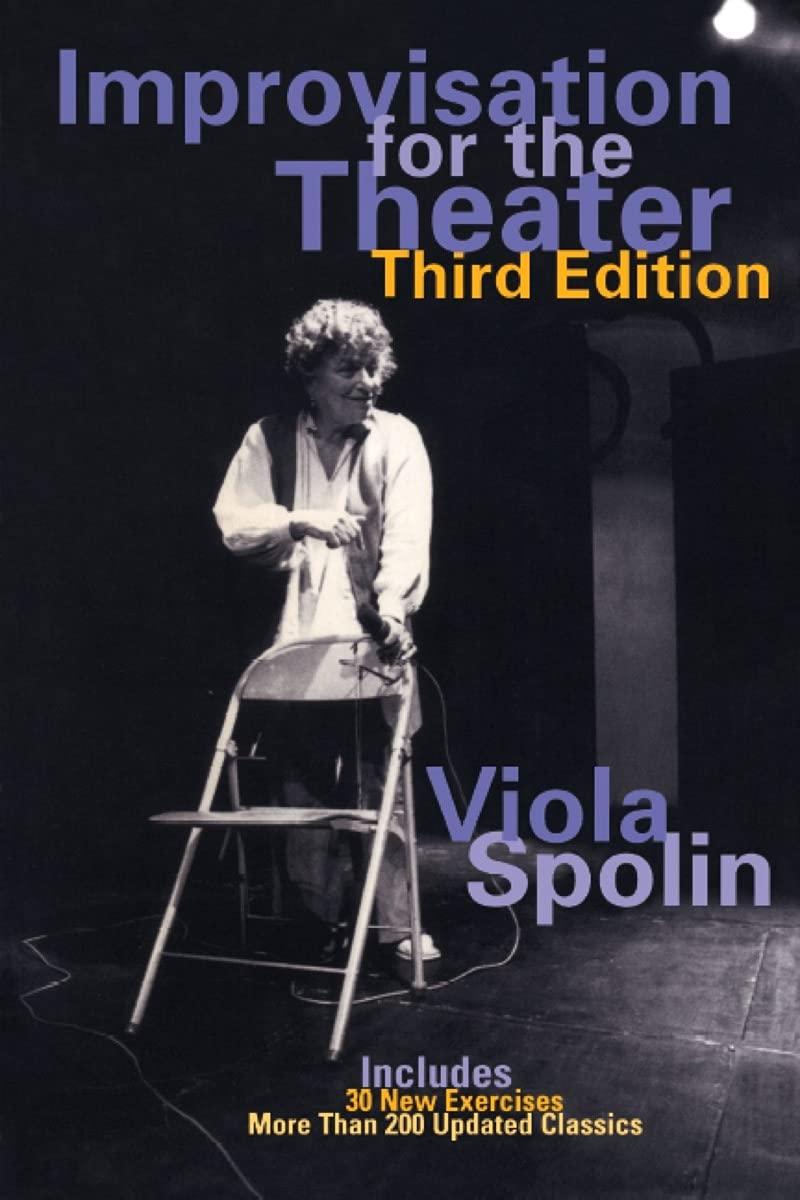
Improvisation for the Theater
A Handbook of Teaching and Directing Techniques
Viola Spolin
Related Exercises
Ace
Ace (Advance, Color, Emotion) is a storytelling exercise in which one player narrates while a caller directs them to advance the plot, add descriptive color, or express emotion. The commands train improvisers to balance narrative momentum with sensory detail and emotional depth. It develops well-rounded storytelling instincts that translate directly to scene work.
Advancing and Expanding
Advancing and Expanding is a scene technique exercise in which players practice the dual skills of moving a narrative forward and deepening the current moment. A caller instructs performers to either advance the plot or expand on the present beat with more detail and emotion. The exercise builds the storytelling instinct for when to push forward and when to linger.
Narrative, Color, Emotion
Narrative Color Emotion is a scene-building exercise in which performers construct a scene by layering three distinct types of contribution in rotation: narrative (plot-level information), color (sensory or atmospheric detail), and emotion (a felt response to the circumstances). The structured rotation prevents scenes from stalling in pure action or pure feeling, and trains performers to build scenes that are simultaneously propulsive, vivid, and emotionally alive.
Automatic Storytelling
Automatic Storytelling is an exercise in which a player tells a story as rapidly as possible, following the first narrative impulse that arises without planning or editing. The technique bypasses the conscious mind's desire to control and produces raw, surprising material. It trains the instinct to trust one's first offer.
Descriptive Story
Descriptive Story is a collaborative storytelling exercise in which the narrator focuses on vivid sensory description rather than plot advancement. Other players may contribute images, sounds, and textures to build a shared environment. The exercise trains the ability to paint a world with words and develops the "color" half of narrative craft.
And Then
And Then is a storytelling exercise in which each contribution to a group story must begin with the phrase "and then." The connective phrase enforces forward momentum and prevents storytellers from stalling or backtracking. The exercise trains narrative drive and the habit of advancing rather than circling.
The Lineage
Explore the schools and structures that influenced or evolved from Color/Advance.
The Applied Improvisation Mindset (Dudeck & McClure)
How to Reference This Page
The Improv Archive. (2026). Color/Advance. Retrieved September 28, 2026, from https://improvarchive.org/exercises/color-advance
The Improv Archive. "Color/Advance." The Improv Archive, 2026. https://improvarchive.org/exercises/color-advance.
The Improv Archive. "Color/Advance." The Improv Archive, 2026, https://improvarchive.org/exercises/color-advance. Accessed September 28, 2026.
The Improv Archive is a systemically maintained repository. The archive itself acts as the corporate author.