Red Ball is a circle warm-up exercise in which participants mime passing an imaginary red ball around the group, with both thrower and catcher naming the object aloud. As the exercise progresses, additional imaginary objects are introduced simultaneously, training focus, multitasking, and group awareness.
Structure
Setup
Players stand in a circle facing inward. The facilitator introduces the first object: an imaginary red ball. The facilitator mimes holding it, makes eye contact with another player, and passes it while both say "Red ball" at the moment of transfer.
Progression
The red ball travels freely around the circle. Any player holding it can pass to anyone else by making eye contact and saying "Red ball" as they throw. The receiver also says "Red ball" as they catch. The verbal naming ensures clarity about what is being passed and who is receiving.
Once the red ball is moving smoothly, the facilitator introduces a second object with a different name, such as a blue scarf or a green hat. This second object enters circulation alongside the first. Both objects move simultaneously through the circle, each requiring its own verbal naming on the throw and catch.
Further objects can be added one at a time. Each new object has a distinct name, a different mimed weight or size, and its own verbal announcement. With three or four objects in play, participants must track multiple items, maintain eye contact with senders, and stay ready to receive at any moment.
Variations
Some versions assign different physical qualities to each object. The red ball is light and fast, a bowling ball is heavy and slow, a baby is handled gently. This adds object work specificity to the focus exercise. Another variation removes the verbal naming entirely, requiring players to communicate solely through eye contact and gesture.
How to Teach It
Objectives
Red Ball develops divided attention, eye contact discipline, and the ability to track multiple simultaneous inputs. In applied settings, it demonstrates how groups manage competing priorities and how communication clarity prevents dropped tasks.
How to Explain It
"We are passing an imaginary red ball around the circle. When you throw it, say 'Red ball.' When you catch it, say 'Red ball.' Make eye contact before you throw. Once this is smooth, I will add more objects."
Scaffolding
Spend time on the single red ball until the group is comfortable with the eye contact and verbal naming pattern. Add the second object only when the first is moving cleanly. Add further objects gradually. If the group loses track of an object, pause and reset rather than letting chaos persist.
Common Pitfalls
Players often throw without establishing eye contact first, leading to confusion about who the intended receiver is. Insist on clear eye contact before every pass. Another common issue is players forgetting to name the object, which causes confusion when multiple items are in play. The naming is not optional decoration. It is the mechanism that keeps the exercise functional.
In Applied Settings
Red Ball translates directly into corporate training as a demonstration of multitasking and communication under load. When multiple objects are in play, teams experience what happens when priorities compete for attention. The debrief explores how clear communication (naming the object, making eye contact) prevents dropped balls in workplace contexts. The exercise also reveals natural leadership patterns, as some participants begin directing traffic while others focus on their immediate task. Facilitators use this observation to discuss distributed attention versus centralized coordination.
Skills Developed
Worth Reading
See all books →
Business Improv
Experiential Learning Exercises to Train Employees
Val Gee

Improvised Theatre and the Autism Spectrum
A Practical Guide
Gary Kramer; Richie Ploesch

The Improv Illusionist
Using Object Work, Environment, and Physicality in Performance
David Raitt
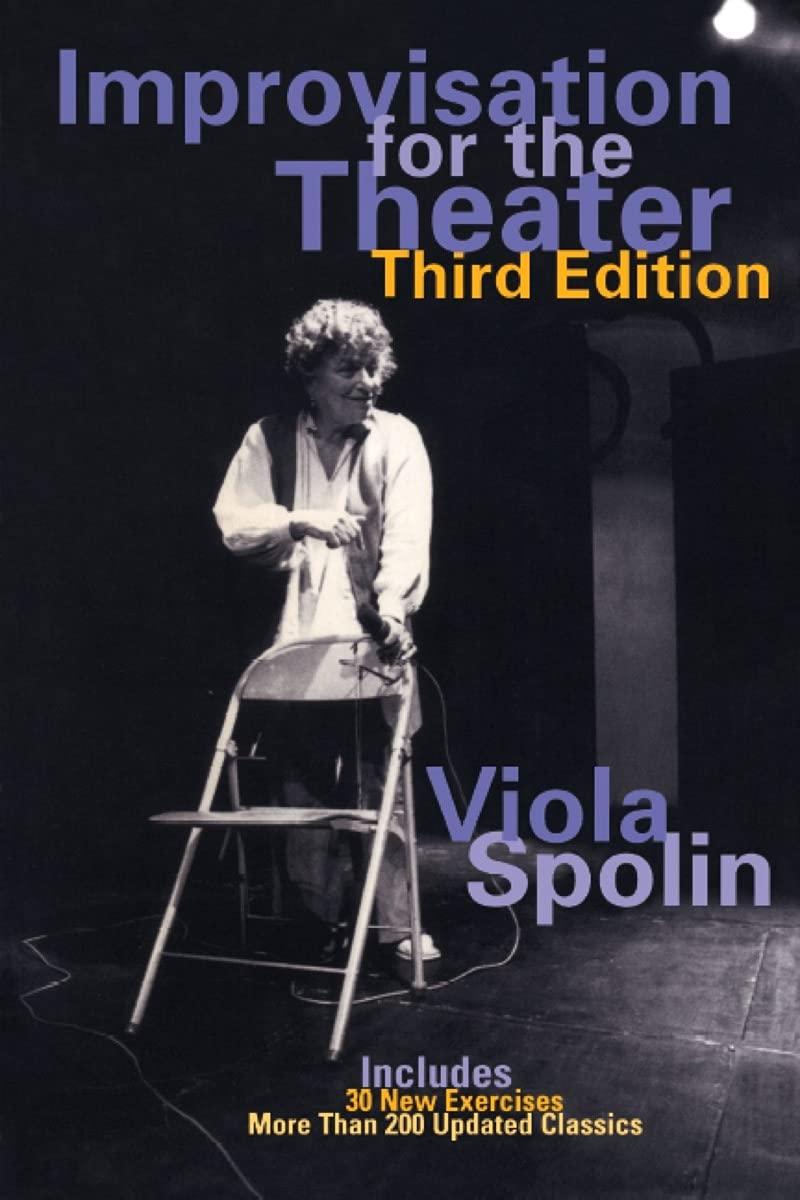
Improvisation for the Theater
A Handbook of Teaching and Directing Techniques
Viola Spolin
Theater Games for Rehearsal
Viola Spolin

Group Improvisation
The Manual of Ensemble Improv Games
Peter Campbell Gwinn; Charna Halpern
Related Exercises
Pass Ball
Pass Ball is a circle warm-up exercise in which players toss a real or imaginary ball around the group while maintaining eye contact with the intended recipient. Additional balls may be introduced to increase complexity, requiring the group to track multiple objects simultaneously. The exercise builds focus, nonverbal communication, and the habit of making clear, directed offers to specific partners rather than throwing ideas into the void.
Tossing
Tossing is a circle warm-up exercise in which players pass real or imaginary objects around the group with clear physical intention. Each exchange requires specific attention to the give and the receive: the sender must establish the object's weight, size, and nature before releasing it; the receiver must honor those physical qualities in the catch and carry. The exercise trains physical specificity, eye contact, ensemble attention, and the fundamental habit of truly giving something to a partner.
Object Circle
Object Circle is a warm-up exercise in which participants stand in a circle and pass physical or mimed objects to each other, transforming each object through imagination as it travels. One participant sends an object with a specific size, weight, and character; the next participant receives it, uses it briefly, then transforms it into something new before passing it on. The exercise develops physical specificity, collaborative imagination, and the habit of accepting and building on what a partner offers.
Name Game
Name Game is a warm-up exercise in which players learn and reinforce each other's names through a structured pattern of call-and-response, rhythmic chanting, or physical gestures. Each player's name is paired with a movement, an alliterative adjective, or a rhythmic pattern that makes the name memorable and the learning process active. The exercise is a staple opening activity for new groups and builds the ensemble familiarity that supports strong scene work. Knowing every player's name and having a physical memory associated with it creates the foundation for personal connection within the group.
Word Ball
Word Ball is a circle exercise in which participants pass an imaginary ball while simultaneously passing a word. The physical throw and the verbal word must match in speed, weight, and direction, creating a coordination challenge that links physical and verbal offer-making.
Name Volley
Name Volley is a name-learning exercise in which two or more participants pass each other's names back and forth in rapid succession, maintaining a rhythm similar to a volleyball rally. The exercise develops quick name recall, sustained eye contact, and the physical and vocal commitment that comes from treating someone's name as an object in motion.
The Lineage
Explore the schools and structures that influenced or evolved from Red Ball.
Improvise! (Max Dickins)
How to Reference This Page
The Improv Archive. (2026). Red Ball. Retrieved September 28, 2026, from https://improvarchive.org/exercises/red-ball
The Improv Archive. "Red Ball." The Improv Archive, 2026. https://improvarchive.org/exercises/red-ball.
The Improv Archive. "Red Ball." The Improv Archive, 2026, https://improvarchive.org/exercises/red-ball. Accessed September 28, 2026.
The Improv Archive is a systemically maintained repository. The archive itself acts as the corporate author.