Positive Scene Challenge
Positive Scene Challenge is an exercise in which performers must play an entire scene without conflict, negativity, or problems. Characters agree, support each other, and share genuine enthusiasm. The constraint forces improvisers to discover that compelling scenes can emerge from shared joy rather than from opposition.
Structure
Setup
Two performers take a simple relationship and location suggestion. Before the scene begins, the facilitator establishes the rule: no conflict, no problems, no disagreement. Characters must genuinely enjoy each other's company and be happy about whatever is happening.
Progression
The performers begin a scene in which both characters are supportive, enthusiastic, and in agreement. "I got us tickets to the opera." "I have been hoping you would say that. I love the opera." The challenge is to maintain audience engagement without relying on tension or opposition.
Engagement comes instead from specificity, emotional depth, and the discovery of what these characters share. A scene between two friends planning a garden becomes interesting not through a disagreement about roses versus tulips but through the revelation of why gardening matters to each of them.
The scene runs for four to six minutes. Afterward, the group discusses what created interest in the absence of conflict and what substituted for the dramatic tension that conflict usually provides.
Variations
A progressive version begins with a positive scene and then replays the same scene with a single point of disagreement added, allowing the group to compare the two versions. A monologue version challenges a single performer to deliver a five-minute story in which nothing goes wrong.
How to Teach It
Objectives
Positive Scene Challenge breaks the habit of relying on conflict as the primary engine of scene work. Many improvisers default to arguing, blocking, or introducing problems because these feel dramatic. This exercise reveals that specificity, emotional connection, and shared discovery can be equally compelling.
How to Explain It
"Play a scene in which everything is fine. Your characters like each other, they agree, and nothing goes wrong. Your job is to make it interesting anyway. Find what is compelling about two people who are genuinely happy together."
Scaffolding
Begin by discussing what makes positive scenes difficult. Most performers will identify the absence of conflict as the main challenge. After the exercise, revisit that discussion and identify what replaced conflict as the source of engagement: specificity, vulnerability, shared history, genuine emotion.
Common Pitfalls
The most common error is performers who smuggle in conflict through passive aggression, sarcasm, or subtle tension. "Oh, you remembered the tickets. How unlike you." That is conflict wearing a smile. Coach genuine positivity.
A second issue is scenes that become saccharine and lose all dramatic weight. Positivity does not mean shallow. Two characters deeply in love discussing their fear of losing each other is positive and deeply dramatic.
Worth Reading
See all books →
Improvisation Starters
A Collection of 900 Improvisation Situations for the Theater
Philip Bernardi

The Young Actor's Book of Improvisation
Dramatic Situations
Sandra Caruso; Susan Kosoff

Impro
Improvisation and the Theatre
Keith Johnstone

Improvising Now
A Practical Guide to Modern Improv
Rob Norman
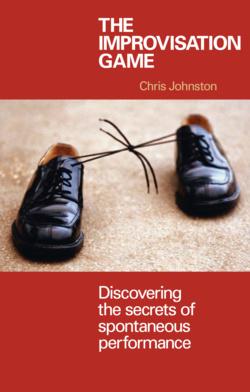
The Improvisation Game
Discovering the Secrets of Spontaneous Performance
Chris Johnston

Theatrical Improvisation, Consciousness, and Cognition
Clayton D. Drinko
Related Exercises
Positive Chair Exercise
Positive Chair Exercise is a supportive exercise in which each player sits in a designated chair while the rest of the group offers genuine compliments, affirmations, and positive observations about them. The exercise builds ensemble trust, reinforces a culture of support, and gives performers practice receiving praise without deflection.
Agreement Scenes
Agreement Scenes is an exercise in which performers practice fully agreeing with every offer their scene partner makes. By removing all conflict and negation, the exercise reveals how scenes can build through mutual enthusiasm and escalating shared reality. It reinforces the "yes, and" principle at its most fundamental level.
Positive Outlook
Positive Outlook is an applied improvisation exercise from Business Improv in which participants practice reframing challenges as opportunities. Through structured exchanges, players develop the habit of finding constructive possibilities in difficult situations rather than defaulting to complaint or resistance.
Scenes That Bring You Joy
Scenes That Bring You Joy is a scene exercise in which performers are invited to play only scenes that genuinely delight them, prioritizing personal pleasure and authentic enthusiasm over trying to be clever or funny. The exercise resets performers toward play and away from performance anxiety.
Create Obstacles
Create Obstacles is a scene exercise in which performers deliberately introduce complications and barriers to their characters' goals. The exercise teaches that obstacles are the engine of dramatic interest: characters who get what they want without resistance produce flat, unengaging scenes. By practicing the creation of obstacles, performers develop the instinct to generate tension and problem-solving pressure from within the scene rather than waiting for obstacles to arrive from outside.
Open Improv Scenes
Open Improv Scenes is an applied improvisation exercise in which participants perform unscripted scenes drawn from workplace or professional scenarios, using improv principles to navigate realistic situations they encounter in their jobs. Unlike traditional improv scenes that prioritize entertainment, Open Improv Scenes prioritizes transfer -- the scenes serve as behavioral rehearsals for real professional interactions.
How to Reference This Page
The Improv Archive. (2026). Positive Scene Challenge. Retrieved September 28, 2026, from https://improvarchive.org/exercises/positive-scene-challenge
The Improv Archive. "Positive Scene Challenge." The Improv Archive, 2026. https://improvarchive.org/exercises/positive-scene-challenge.
The Improv Archive. "Positive Scene Challenge." The Improv Archive, 2026, https://improvarchive.org/exercises/positive-scene-challenge. Accessed September 28, 2026.
The Improv Archive is a systemically maintained repository. The archive itself acts as the corporate author.