Spoken Thoughts
Spoken Thoughts is a scene exercise in which a facilitator or fellow player periodically taps a performer on the shoulder, prompting them to speak their character's inner monologue aloud before resuming the scene. The technique reveals the gap between what characters say and what they think. The exercise builds subtext awareness and emotional depth.
Worth Reading
See all books →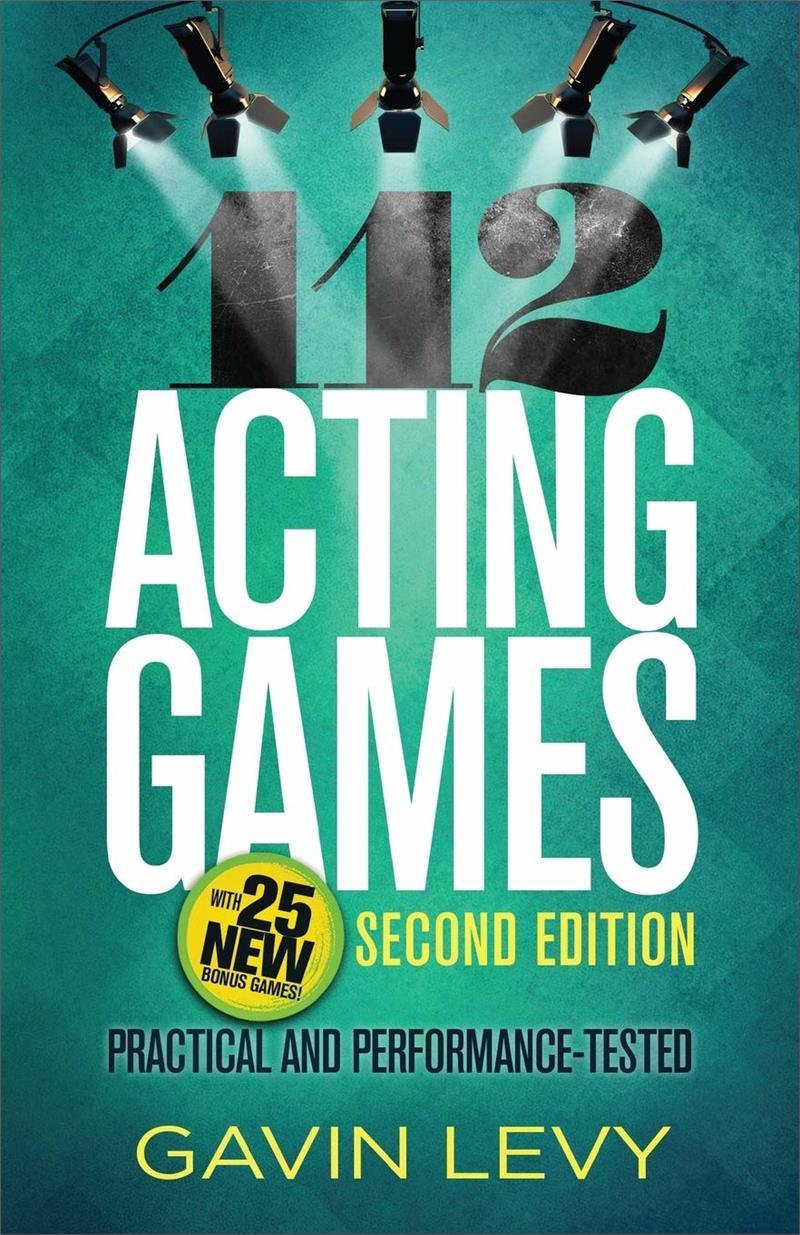
112 Acting Games
Gavin Levy

Embodied Playwriting
Improv and Acting Exercises for Writing
Hillary Haft Bucs; Charissa Menefee
Theater Games for Rehearsal
Viola Spolin

Theatrical Improvisation, Consciousness, and Cognition
Clayton D. Drinko
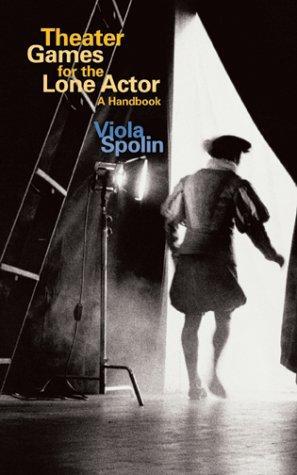
Theater Games for the Lone Actor
Viola Spolin
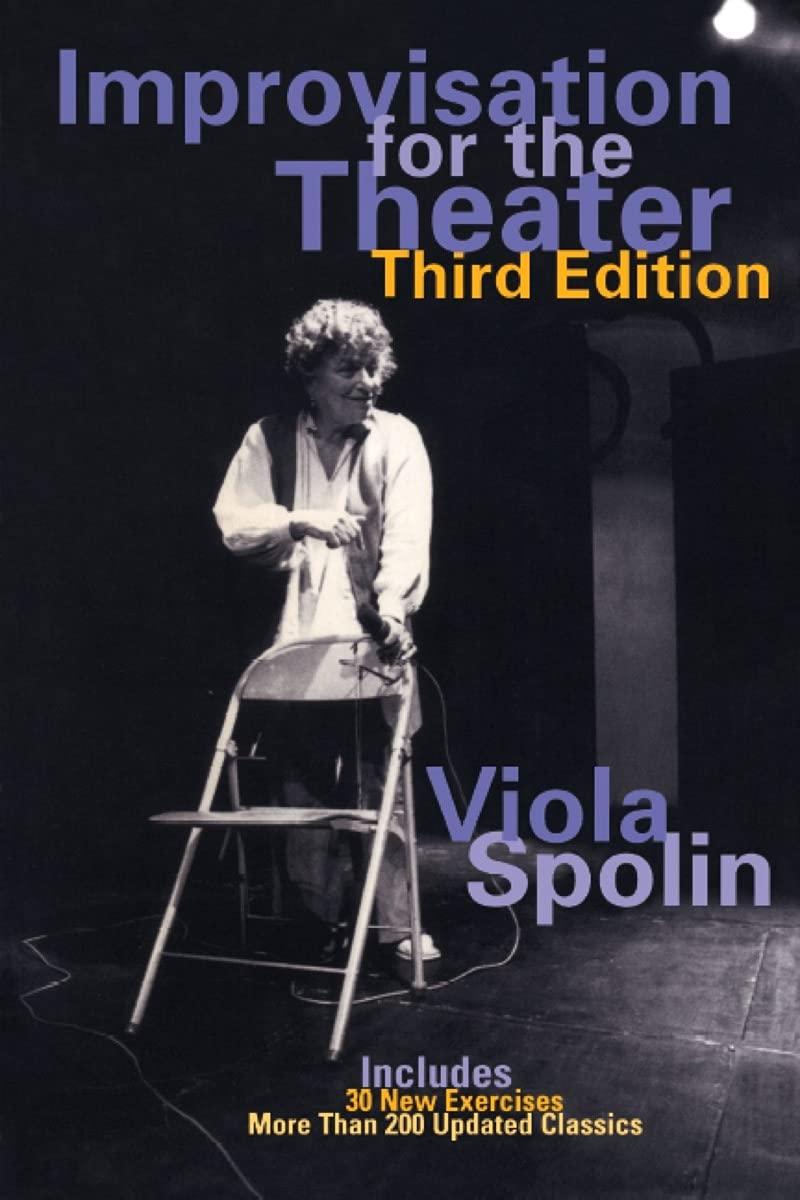
Improvisation for the Theater
A Handbook of Teaching and Directing Techniques
Viola Spolin
Related Exercises
Sound Sensations
Sound Sensations is an exercise in which players close their eyes and respond to a series of sounds introduced by a facilitator, using the audio stimuli to trigger emotional reactions, physical movement, or improvised scenes. The exercise trains associative thinking through the auditory channel and expands the range of sensory inputs performers draw from.
Move and Speak
Move and Speak is an exercise exploring the relationship between physical movement and dialogue. Players alternate between moving without speaking and speaking without moving, learning to separate and then integrate the two channels. The exercise reveals how movement informs vocal delivery and helps performers make more deliberate choices about when to let their bodies lead.
Action Syllables
Action Syllables is an exercise in which players pair a distinct physical movement with each syllable of a word or phrase. The activity connects vocal rhythm to full-body expression and breaks habitual patterns of stillness during speech. It builds awareness of how physicality and language reinforce each other onstage.
Communal Monologue
Communal Monologue is an exercise in which multiple performers deliver a single monologue together, trading off mid-sentence or mid-thought without any performer beginning a new idea. Each speaker must continue seamlessly from where the last one stopped, maintaining the same voice, tone, and thought. The exercise trains verbal listening, agreement, and the construction of a collective voice.
Pauze
Pauze is a scene exercise in which a facilitator periodically freezes the action and asks performers to reflect on or articulate what their character is thinking, feeling, or wanting before resuming the scene. The pauses reveal the subtext beneath the dialogue and train players to maintain rich inner lives for their characters. The exercise builds emotional depth and intentionality.
The Lineage
Explore the schools and structures that influenced or evolved from Spoken Thoughts.
112 Acting Games (Levy)
How to Reference This Page
The Improv Archive. (2026). Spoken Thoughts. Retrieved September 28, 2026, from https://improvarchive.org/exercises/spoken-thoughts
The Improv Archive. "Spoken Thoughts." The Improv Archive, 2026. https://improvarchive.org/exercises/spoken-thoughts.
The Improv Archive. "Spoken Thoughts." The Improv Archive, 2026, https://improvarchive.org/exercises/spoken-thoughts. Accessed September 28, 2026.
The Improv Archive is a systemically maintained repository. The archive itself acts as the corporate author.