Stand Up/sit Down
Stand Up/Sit Down is a scene exercise in which performers alternate between standing and sitting positions, with each change of posture prompting a shift in the scene's energy, topic, or emotional register. The exercise trains awareness of how physical position affects performance and teaches players to use body state as a storytelling tool.
Worth Reading
See all books →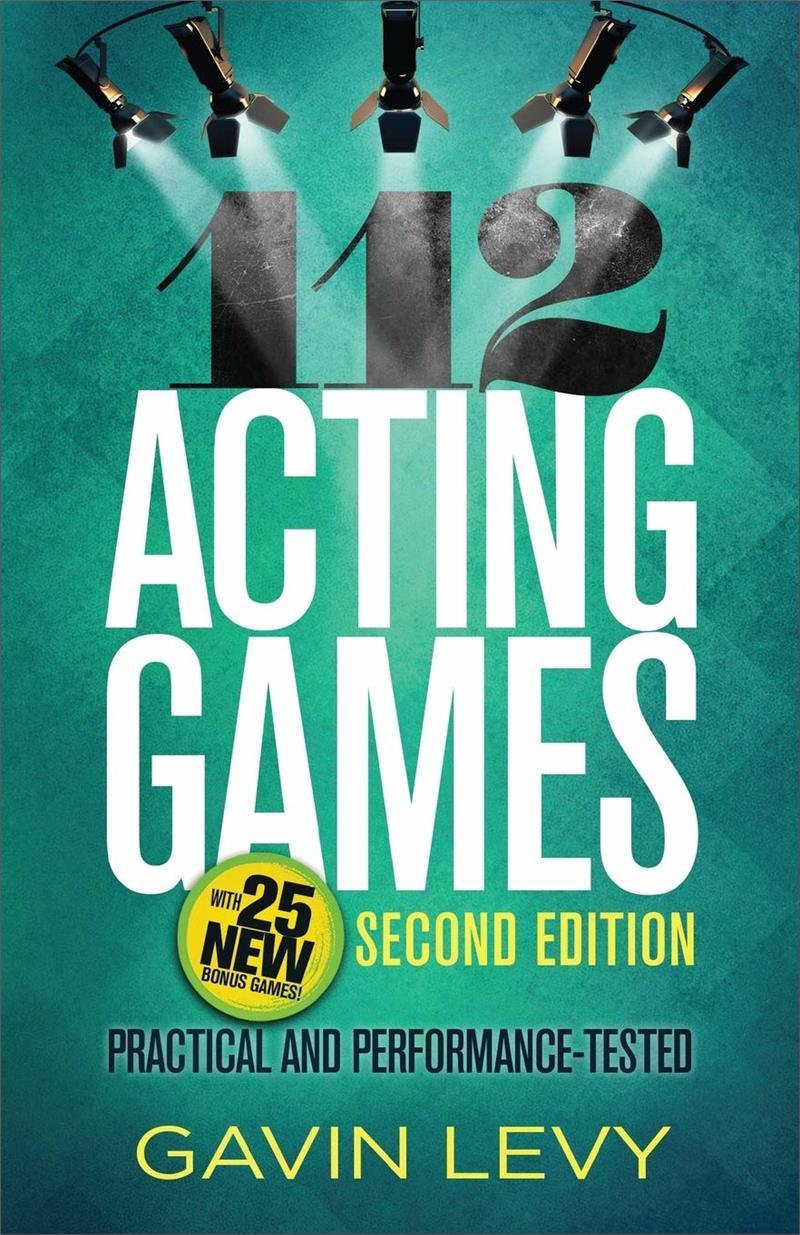
112 Acting Games
Gavin Levy
Theater Games for Rehearsal
Viola Spolin
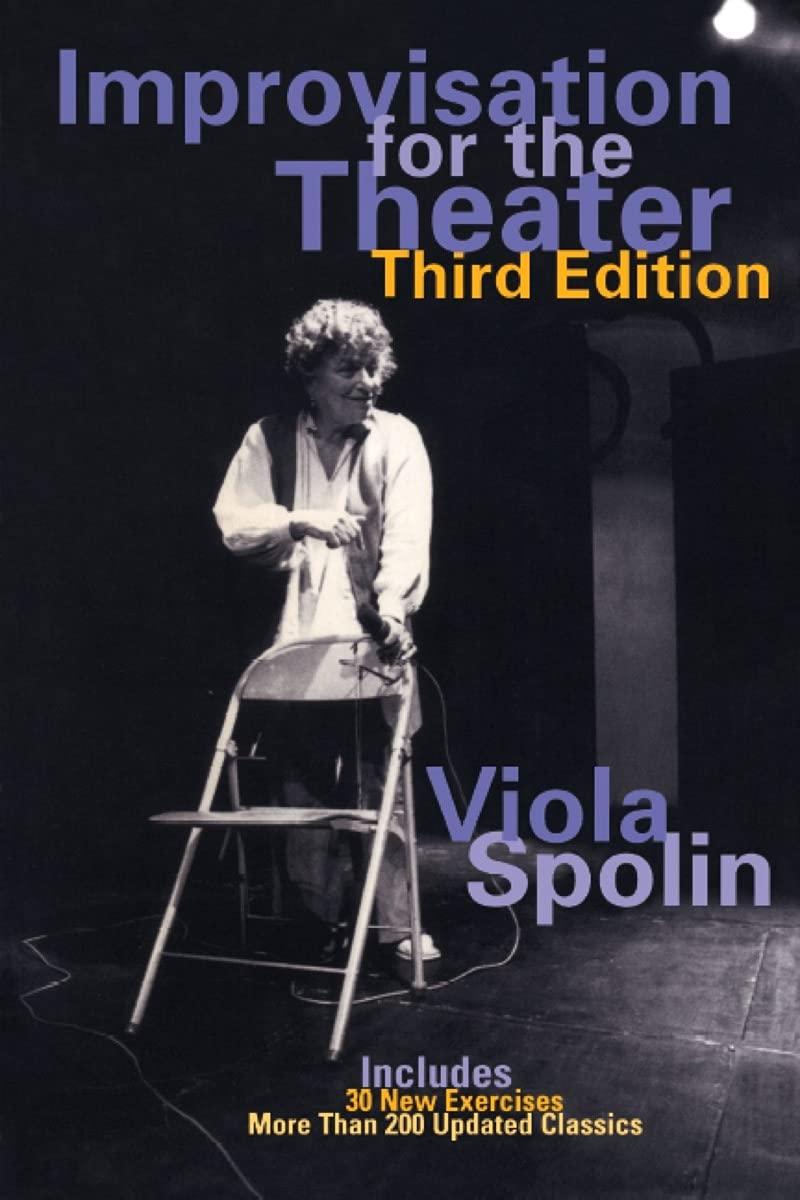
Improvisation for the Theater
A Handbook of Teaching and Directing Techniques
Viola Spolin
The Improvisation Game
Discovering the Secrets of Spontaneous Performance
Chris Johnston
Theater Games for the Lone Actor
Viola Spolin
Theater Games for the Classroom
Viola Spolin
Related Exercises
Sitting Standing Lying
Sitting Standing Lying is a three-player scene exercise in which one performer must always be sitting, one standing, and one lying down. When any performer changes position, one of the others must immediately switch to maintain three distinct positions, creating a constant physical negotiation underneath the scene.
Sit Stand Lie Lean
Sit Stand Lie Lean is a scene exercise in which each performer must maintain a different physical position at all times. With four performers, one must be sitting, one standing, one lying down, and one leaning. Whenever one person changes position, someone else must adjust to maintain four distinct positions simultaneously.
Strike a Pose
Strike a Pose is a physical exercise in which players assume strong, committed physical positions and use each pose as a starting point for character, scene, or interpretive discovery. The exercise demonstrates that physical choices precede and inform emotional and character choices, rather than following from them. Multiple documented variants use the same core mechanic of striking and holding a pose to develop ensemble responsiveness, scene inspiration, and interpretive skill.
Touch and Go
Touch and Go is an exercise in which performers must physically touch an object or part of the environment before speaking, grounding every line of dialogue in a specific physical action. The constraint connects speech to physicality and teaches players to inhabit their environment rather than standing and talking.
Character / Scene Walkabout
Character/Scene Walkabout is an exercise in which performers walk through the space and, on a signal, immediately enter a scene with whoever is nearest. The random pairing and instant commitment prevent over-planning. The exercise builds comfort with initiating scenes with any partner and develops quick character choices.
Circle Sitting
Circle Sitting is a trust exercise in which players stand in a tight circle, turn to face the same direction, and simultaneously sit on the knees of the person behind them. When successful, the entire group supports each other in a freestanding circle of seated bodies. The exercise demonstrates the power of collective trust and cooperation.
The Lineage
Explore the schools and structures that influenced or evolved from Stand Up/sit Down.
112 Acting Games (Levy)
How to Reference This Page
The Improv Archive. (2026). Stand Up/sit Down. Retrieved September 28, 2026, from https://improvarchive.org/exercises/stand-upsit-down
The Improv Archive. "Stand Up/sit Down." The Improv Archive, 2026. https://improvarchive.org/exercises/stand-upsit-down.
The Improv Archive. "Stand Up/sit Down." The Improv Archive, 2026, https://improvarchive.org/exercises/stand-upsit-down. Accessed September 28, 2026.
The Improv Archive is a systemically maintained repository. The archive itself acts as the corporate author.