Story to a Chair
Story to a Chair is a monologue exercise in which a performer tells a story or delivers a scene directed entirely at an empty chair. The chair becomes the scene partner, and the performer must make the imagined relationship vivid enough that the audience believes in the presence of the unseen character.
Structure
Setup
Place an empty chair center stage or in the middle of the room. The performer stands or sits facing it.
Establishing the Relationship
The performer begins by establishing who is sitting in the chair. This is done through behavior, not exposition. How the performer looks at the chair, approaches it, or speaks to it communicates the relationship before any words are spoken.
The Story or Scene
The performer delivers a monologue, story, or scene to the chair. They may respond to what the imagined person in the chair is saying or doing, creating the illusion of a two-sided interaction. The performer tracks the invisible character's reactions and responds to them.
Specific Details
The more specific the details about the imagined person, the more real they become. Small moments of listening, adjusting, or reacting to the chair make the invisible presence tangible.
Completion
The monologue or scene reaches a natural conclusion. The performer does not need to explain the relationship or provide context; the emotional reality communicates what the audience needs to know.
How to Teach It
Objectives
Story to a Chair develops the performer's ability to create specific, tangible imaginary relationships and to make an unseen presence felt on stage. The exercise teaches that specificity of response is what makes imaginary people real.
How to Explain It
"There is someone sitting in that chair. You can see them clearly. Tell them something. The audience should be able to feel the presence of the person you are talking to based entirely on how you treat the chair."
Scaffolding
Before running the exercise, have performers practice with a real scene partner first, then ask the partner to leave while the performer continues. This gives them the physical and emotional memory of the relationship to draw on.
Common Pitfalls
The most common issue is performers who treat the chair as a prop and talk at it rather than to it. The chair is a placeholder for a specific person. Performers should listen, pause, respond, and adjust as if genuinely in dialogue.
Worth Reading
See all books →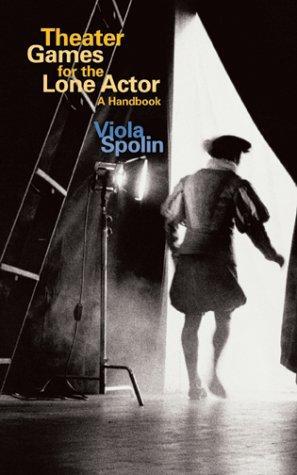
Theater Games for the Lone Actor
Viola Spolin
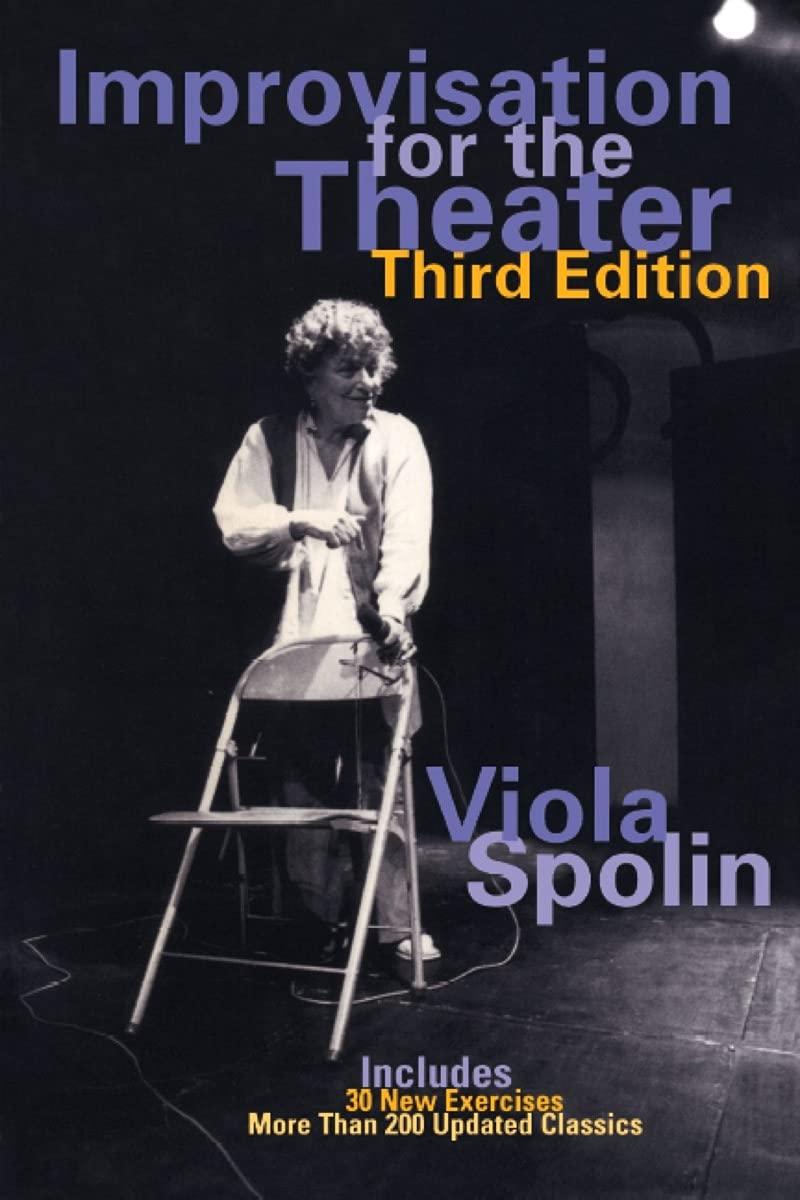
Improvisation for the Theater
A Handbook of Teaching and Directing Techniques
Viola Spolin

How to Improvise a Full-Length Play
The Art of Spontaneous Theater
Kenn Adams

Impro for Storytellers
Keith Johnstone

The Young Actor's Book of Improvisation
Dramatic Situations
Sandra Caruso; Susan Kosoff

Book on Acting
Improvisation Technique for the Professional Actor in Film, Theater & Television
Stephen Book
Related Exercises
Story String
Story String is a collaborative storytelling exercise in which each performer adds a sentence or beat to a shared narrative, building a continuous story that passes through the entire group. The exercise develops listening, narrative awareness, and the ability to advance rather than redirect a story.
Story Spine
Story Spine is a narrative exercise that uses a sequential template of sentence prompts to build a complete story: "Once upon a time... Every day... Until one day... Because of that... Because of that... Until finally... And ever since then..." The template teaches the fundamental architecture of story , establishing world, routine, disruption, consequence, and resolution , in a form accessible to performers at any level. Invented by **Kenn Adams**, the Story Spine has become one of the most widely used narrative tools in improv pedagogy and applied improvisation training.
Object Narrative
Object Narrative is a storytelling exercise in which a participant picks up a physical object and tells a spontaneous story inspired by or centered on that object. The object serves as a concrete anchor for narrative invention, giving the storyteller something tangible to react to rather than generating a story from nothing.
Positive Chair Exercise
Positive Chair Exercise is a supportive exercise in which each player sits in a designated chair while the rest of the group offers genuine compliments, affirmations, and positive observations about them. The exercise builds ensemble trust, reinforces a culture of support, and gives performers practice receiving praise without deflection.
Performance of an Audience
Performance of an Audience is an applied improvisation exercise that explores the reciprocal relationship between performer and spectator. Participants experience both roles, discovering how the quality of attention an audience gives shapes the performer's experience and how conscious, engaged witnessing differs from passive spectating. The exercise builds awareness that presence and attention are active contributions to any group interaction.
Sitting Standing Lying
Sitting Standing Lying is a three-player scene exercise in which one performer must always be sitting, one standing, and one lying down. When any performer changes position, one of the others must immediately switch to maintain three distinct positions, creating a constant physical negotiation underneath the scene.
How to Reference This Page
The Improv Archive. (2026). Story to a Chair. Retrieved October 14, 2026, from https://improvarchive.org/exercises/story-to-a-chair
The Improv Archive. "Story to a Chair." The Improv Archive, 2026. https://improvarchive.org/exercises/story-to-a-chair.
The Improv Archive. "Story to a Chair." The Improv Archive, 2026, https://improvarchive.org/exercises/story-to-a-chair. Accessed October 14, 2026.
The Improv Archive is a systemically maintained repository. The archive itself acts as the corporate author.