Storyboarding
Storyboarding is a visual mapping exercise in which teams sketch out a specific aspect of customer experience step by step, creating a visual narrative of the journey. The process helps teams identify gaps, friction points, and opportunities that are invisible in verbal descriptions alone.
Structure
Setup
Provide each team or individual with paper, sticky notes, and markers. Identify the experience to be mapped, such as a customer's first interaction with a product or an employee's onboarding journey.
Defining the Journey
Begin by establishing the start and end points of the experience. What triggers the journey? Where does it conclude? These boundaries focus the storyboard and prevent scope creep.
Sketching the Panels
Teams draw a series of simple panels, one per step of the journey. Each panel shows what is happening, who is involved, and what the person is thinking or feeling. Stick figures and rough sketches are sufficient; visual polish is not the goal.
Annotating Emotions
Below each panel, participants note the emotional state of the person experiencing the journey. This emotional annotation is often the most revealing part of the exercise, surfacing moments of frustration, confusion, or delight that pure process diagrams miss.
Review and Discussion
Teams share their storyboards and compare how different people mapped the same journey. Discrepancies reveal assumptions, blind spots, and areas where the team's understanding diverges from actual user experience.
How to Teach It
Objectives
Storyboarding develops visual thinking, empathy for users or customers, and the ability to identify process problems through narrative mapping rather than abstract analysis.
How to Explain It
"Map out a specific aspect of the customer experience visually, step by step. Draw what is happening, who is there, and how they feel. Stick figures are fine. The goal is to see the experience as a story."
Scaffolding
Before storyboarding a complex journey, practice with a simple everyday experience such as making coffee or arriving at a meeting. This familiarizes participants with the format before they apply it to higher-stakes material.
Common Pitfalls
The most common issue is participants who focus on process steps rather than human experience. A storyboard that shows what happens but not how people feel misses the exercise's most valuable insight. Push teams to include emotional annotations in every panel.
In Applied Settings
Customer Experience Design
Storyboarding translates abstract customer journey concepts into visible, discussable narratives. Teams that storyboard customer experiences together develop shared understanding of the user's perspective that purely verbal discussions cannot achieve.
Product Development
The exercise surfaces experience gaps before they become expensive design problems. When teams visualize the full user journey, moments of friction that seemed minor in isolation become obviously significant in sequence.
Facilitation Notes
In professional settings, emphasize that the storyboard is a tool for conversation, not a polished deliverable. Teams that understand the purpose often produce more honest and revealing storyboards than those who worry about presentation quality.
Skills Developed
Worth Reading
See all books →
Embodied Playwriting
Improv and Acting Exercises for Writing
Hillary Haft Bucs; Charissa Menefee

Improvisation for Actors and Writers
A Guidebook for Improv Lessons in Comedy
Bill Lynn

Business Improv
Experiential Learning Exercises to Train Employees
Val Gee

Playing Along
37 Group Learning Activities Borrowed from Improvisational Theater
Izzy Gesell
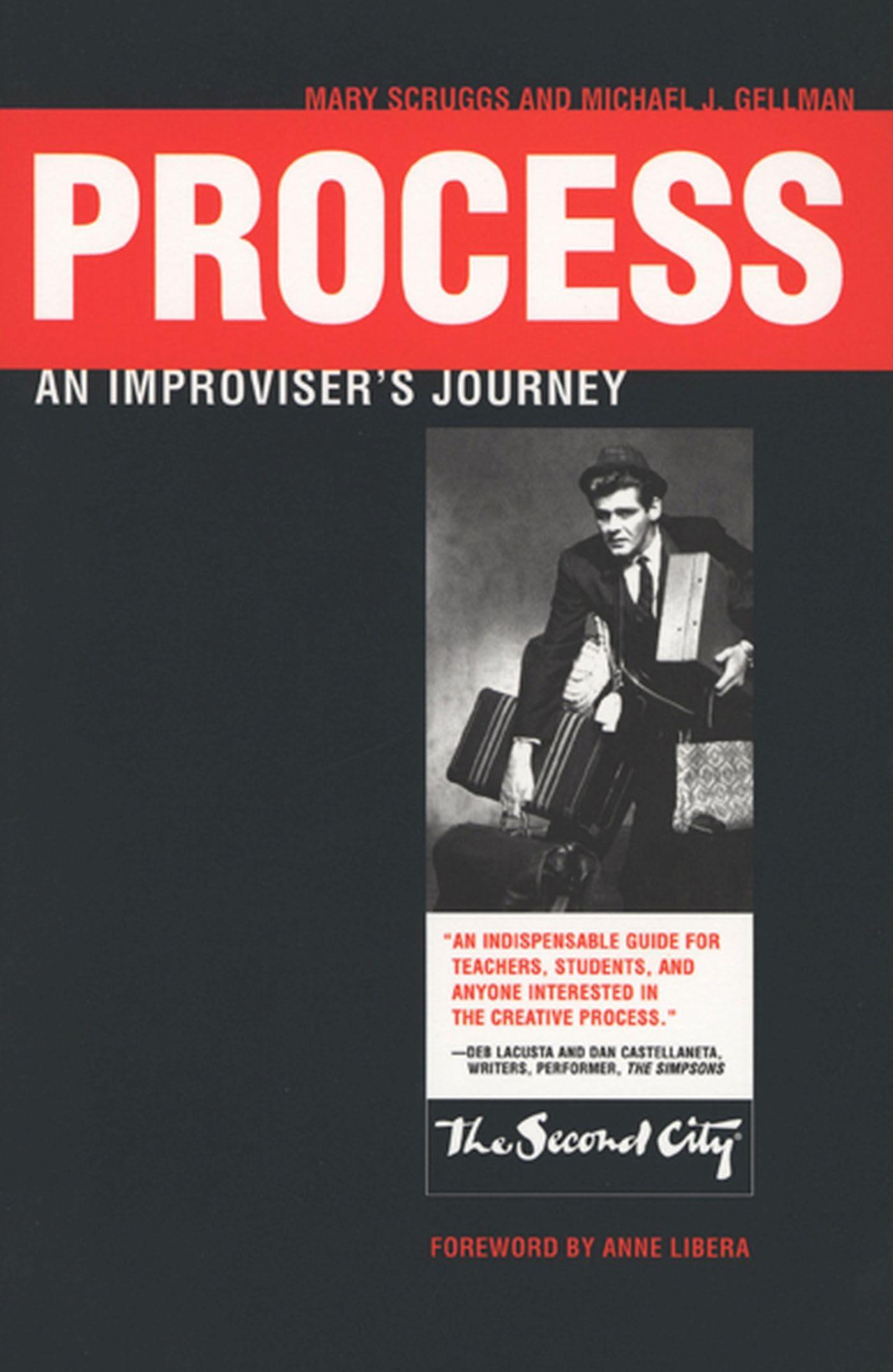
Process: An Improviser's Journey
Mary Scruggs; Michael J. Gellman

The Applied Improvisation Mindset
Tools for Transforming Individuals, Organizations, and Communities
Theresa Robbins Dudeck; Caitlin McClure
Related Exercises
Picture Story
Picture Story is an applied improvisation exercise in which participants create and share stories inspired by images. Players receive a photograph, illustration, or abstract image and must construct a narrative from what they see, developing the ability to find story in unexpected places and communicate ideas through vivid description.
Story Walk
Story Walk is a collaborative storytelling exercise in which participants tell stories while walking through a space, with the physical journey informing and shaping the narrative. The act of moving together creates a shared rhythm that supports spontaneous, embodied storytelling.
Story Circles
Story Circles is a collaborative storytelling exercise in which small groups sit in circles and build stories together, with each person contributing a segment before passing to the next. The exercise develops listening, narrative awareness, and the ability to build on others' contributions.
Story String
Story String is a collaborative storytelling exercise in which each performer adds a sentence or beat to a shared narrative, building a continuous story that passes through the entire group. The exercise develops listening, narrative awareness, and the ability to advance rather than redirect a story.
Share Your Story
Share Your Story is an applied improvisation exercise in which participants practice crafting and delivering compelling personal narratives using improvisational storytelling techniques. The exercise develops the ability to structure real experiences into engaging stories that connect with listeners.
Tour of a Space
Tour of a Space is an applied exercise in which one participant leads others through an imaginary environment, describing and inhabiting the space in physical and sensory detail. The exercise trains environmental specificity, physical storytelling, and the skill of making an invisible world present for others.
The Lineage
Explore the schools and structures that influenced or evolved from Storyboarding.
Improvise! (Max Dickins)
How to Reference This Page
The Improv Archive. (2026). Storyboarding. Retrieved September 28, 2026, from https://improvarchive.org/exercises/storyboarding
The Improv Archive. "Storyboarding." The Improv Archive, 2026. https://improvarchive.org/exercises/storyboarding.
The Improv Archive. "Storyboarding." The Improv Archive, 2026, https://improvarchive.org/exercises/storyboarding. Accessed September 28, 2026.
The Improv Archive is a systemically maintained repository. The archive itself acts as the corporate author.