Tai Chi
Tai Chi is a physical warm-up exercise in which performers move through slow, flowing movements inspired by the martial art, building body awareness, breath control, and physical calm. The meditative quality of the exercise centers performers and prepares them for grounded, deliberate physical choices in scene work.
Worth Reading
See all books →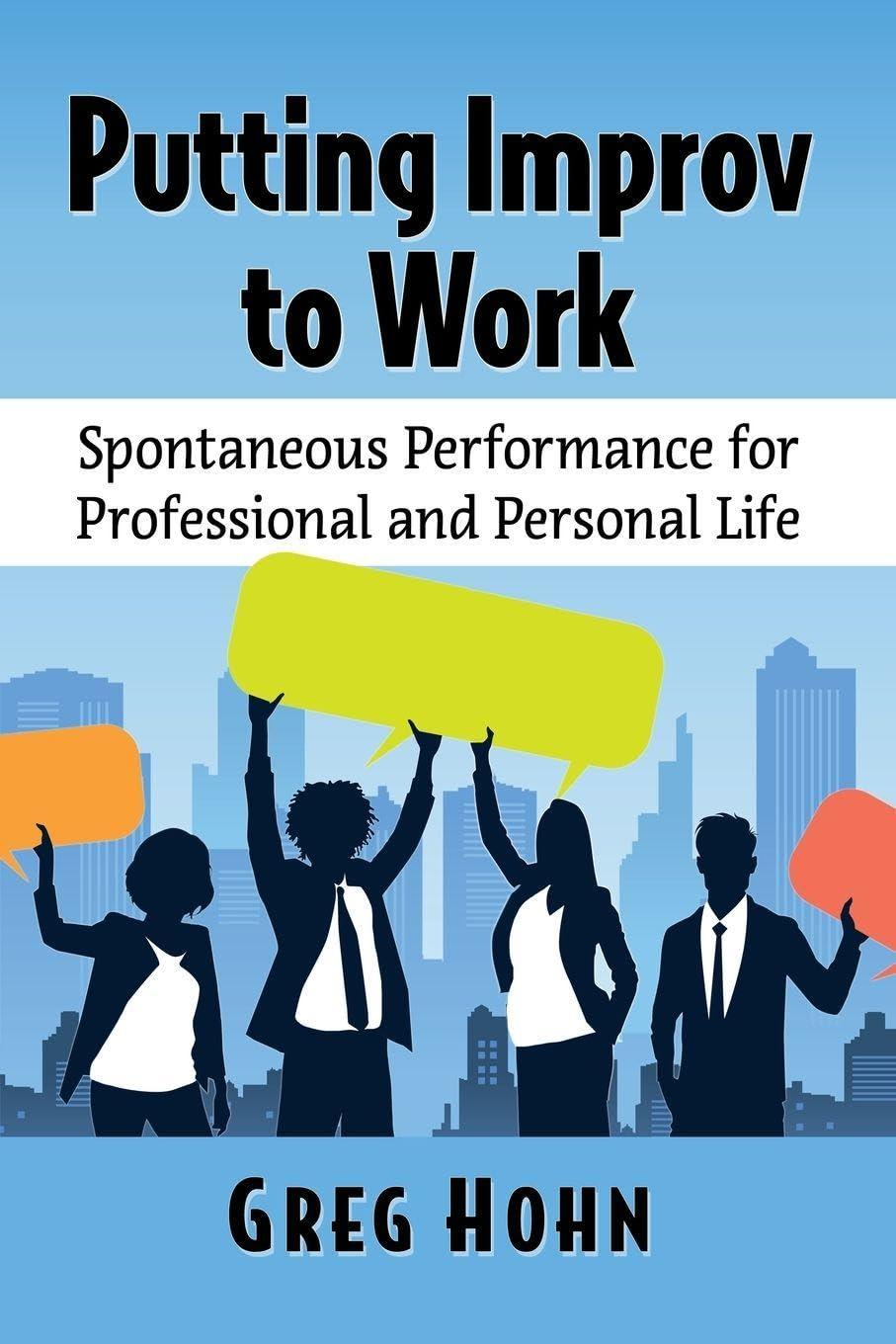
Putting Improv to Work
Spontaneous Performance for Leadership, Learning, and Life
Greg Hohn

Action Theater
The Improvisation of Presence
Ruth Zaporah

Improvisation for the Spirit
Live a More Creative, Spontaneous, and Courageous Life
Katie Goodman

Embodied Playwriting
Improv and Acting Exercises for Writing
Hillary Haft Bucs; Charissa Menefee
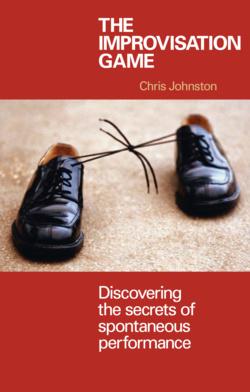
The Improvisation Game
Discovering the Secrets of Spontaneous Performance
Chris Johnston

The Improv Illusionist
Using Object Work, Environment, and Physicality in Performance
David Raitt
Related Exercises
Bong Bong Bong
Bong Bong Bong is a rhythm and focus exercise in which players pass energy around a circle using the words "Bong," with specific gestures indicating direction changes or skips. The exercise demands sustained concentration and punishes hesitation or incorrect gestures. It is commonly used as a warm-up to sharpen group focus before scene work.
Improvisation Dance Circle
Improvisation Dance Circle is a movement exercise in which players take turns stepping into the center of a circle to perform spontaneous dance or movement. The circle provides a supportive framework for individual expression. The exercise builds physical confidence and comfort with being watched while moving freely.
Aerobics
Aerobics is a physical warm-up exercise in which one player leads the group through exaggerated, often absurd exercise movements. The leader adopts the persona of a fitness instructor and guides the ensemble through increasingly ridiculous physical routines, all performed with full commitment. Participants mirror the leader's movements and match their energy regardless of how outlandish the routine becomes. The exercise serves multiple functions in improv training: it raises the group's physical energy at the start of a rehearsal or class, breaks down self-consciousness by requiring participants to look foolish together, and establishes a shared physical vocabulary before scene work begins. Aerobics belongs to a family of physical warm-ups that draw from fitness disciplines such as yoga, tai chi, and martial arts, adapted for the specific needs of ensemble performance training.
Energy Breathing
Energy Breathing is a breathing exercise that combines breath work with visualization and physical energy. Players breathe deeply while imagining they are drawing energy from the ground, the air, or the group. The exercise prepares the body for physical performance while centering the mind.
Totems
Totems is an exercise in which players select a personal physical gesture, sound, or stance that represents their energy or character for the session. The totem serves as a grounding tool that performers can return to for focus and confidence. The exercise connects physical expression to emotional state and builds self-awareness.
Back Dancing
Back Dancing is a physical warm-up in which two players stand back to back and move together, each responding to the pressure and rhythm of the other's body. Without visual cues, players must rely on physical sensitivity to stay connected. The exercise builds nonverbal communication and physical trust.
How to Reference This Page
The Improv Archive. (2026). Tai Chi. Retrieved September 29, 2026, from https://improvarchive.org/exercises/tai-chi
The Improv Archive. "Tai Chi." The Improv Archive, 2026. https://improvarchive.org/exercises/tai-chi.
The Improv Archive. "Tai Chi." The Improv Archive, 2026, https://improvarchive.org/exercises/tai-chi. Accessed September 29, 2026.
The Improv Archive is a systemically maintained repository. The archive itself acts as the corporate author.