Three Line Solo
Three Line Solo is an exercise in which a single performer delivers a complete monologue in exactly three lines, establishing character, situation, and emotional truth in minimal words. The constraint pushes performers toward essential specificity and away from the habit of building to meaning through extended warm-up.
Structure
The Constraint
One performer delivers a solo piece using exactly three lines. The lines may vary in length but together must constitute a complete, coherent, emotionally grounded statement.
Line One
The first line establishes who the character is and their immediate situation, not through exposition but through the specific quality of how they begin speaking.
Line Two
The second line deepens or complicates what was established. A new piece of information, a contradiction, a revelation, or a shift in tone.
Line Three
The third line lands the solo, either through resolution, escalation, or a recontextualization of lines one and two.
Review
After each attempt, the group discusses what was fully established, what remained unclear, and what the most generative revision would be.
How to Teach It
Objectives
Three Line Solo strips scene-making down to its most fundamental elements: a specific person in a specific situation with a specific feeling. The constraint reveals whether a performer can locate those elements without the scaffolding of extended dialogue.
Facilitation Notes
The most common problem is vagueness: lines that could belong to anyone in any situation. Push performers toward the detail that only this character in this moment would say.
Common Pitfalls
Performers often use the first line to set up and the third line to pay off, treating the solo as a joke structure. The exercise works better when all three lines carry emotional weight rather than serving a punchline.
Worth Reading
See all books →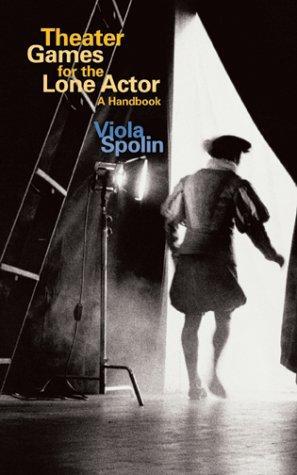
Theater Games for the Lone Actor
Viola Spolin
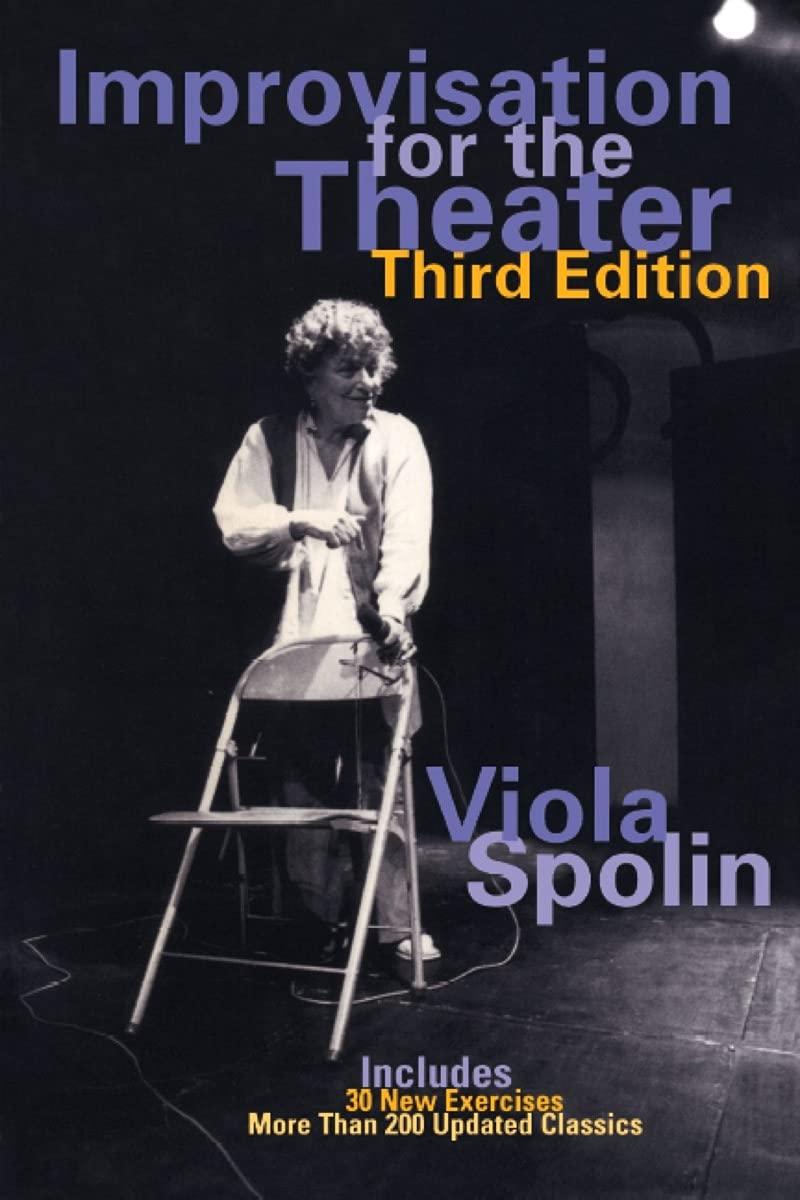
Improvisation for the Theater
A Handbook of Teaching and Directing Techniques
Viola Spolin

Spontaneous Performance
Acting Through Improv
Marsh Cassady
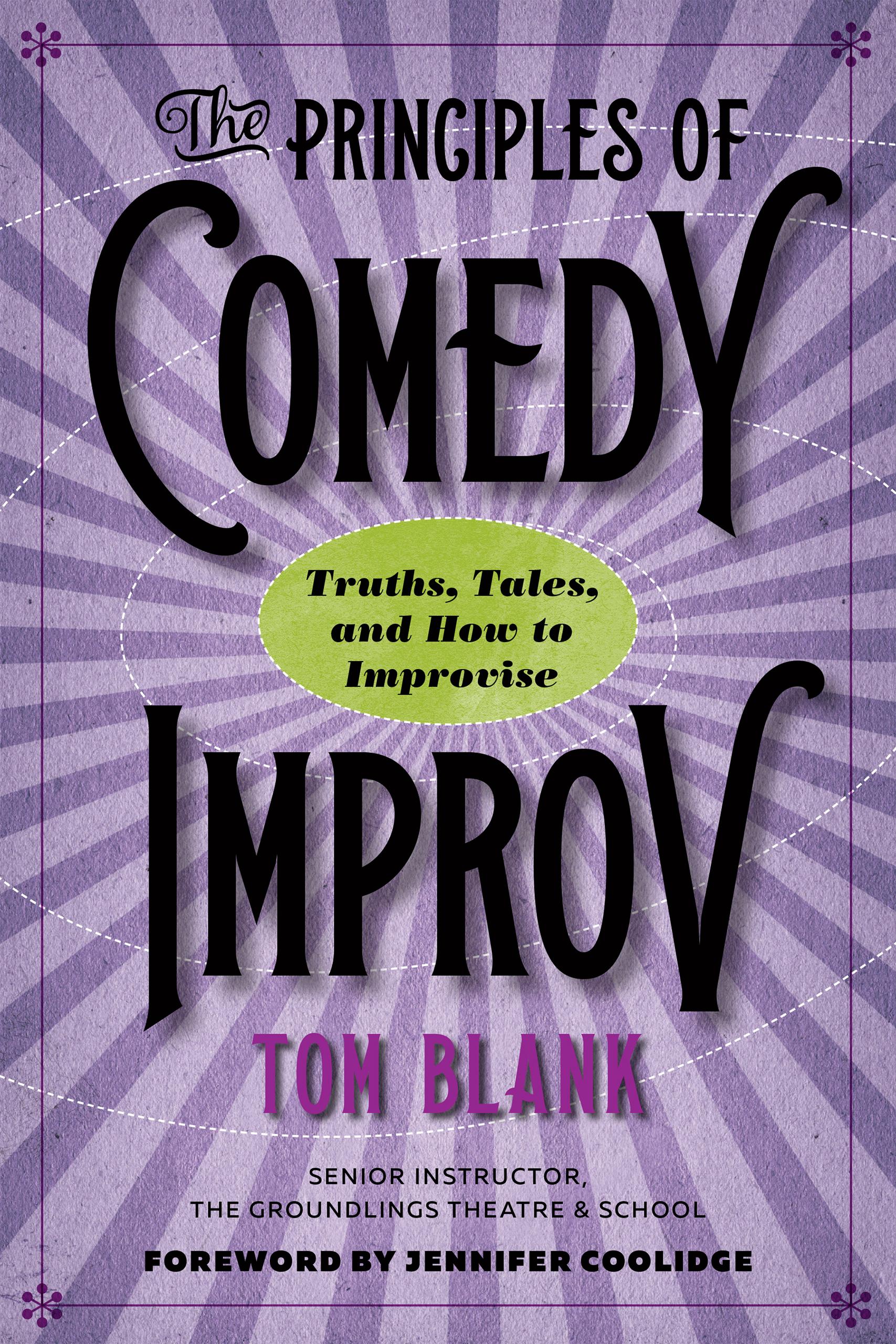
The Principles of Improv Comedy
Tom Blank

Improvisation for Actors and Writers
A Guidebook for Improv Lessons in Comedy
Bill Lynn

The Ultimate Improv Book
A Complete Guide to Comedy Improvisation
Edward J. Nevraumont; Kurt Smeaton; Nicholas P. Hanson
Related Exercises
Three Line Scenes
Three Line Scenes is an exercise in which pairs of performers create complete scenes using exactly three lines of dialogue each, totaling six lines. The extreme compression demands that every line establish character, relationship, environment, and conflict simultaneously, developing the skill of maximum impact with minimum words.
One Line Scene
One Line Scene is a scene-building exercise in which two or more performers create a complete scene using only one line of dialogue each. The constraint forces performers to make every word count, to communicate volumes through subtext, physicality, and relationship, and to find the essence of a scene without the luxury of extended dialogue.
Three Line Environment
Three Line Environment is an exercise in which performers establish a complete physical world using exactly three lines of dialogue, each line adding a distinct environmental detail. The constraint forces precise, economical world-building and develops the skill of grounding a scene in a specific location through implication rather than announcement.
Three Sentence Story
Three Sentence Story is an exercise in which participants construct a complete narrative using exactly three sentences, one person contributing each sentence in sequence. The constraint forces immediate narrative commitment and trains the skill of building a satisfying story arc without the luxury of extended setup.
Character Monologue
Character Monologue is an exercise in which a performer delivers an extended solo speech in character, speaking directly to the audience or to the ensemble. The sustained solo performance builds stamina, character depth, and the ability to hold attention without scene support from other players. Character Monologue develops the skill of generating detailed, specific character voices and perspectives under the pressure of uninterrupted stage time. The exercise serves as a core training tool for monologue-based long-form formats such as The Armando, where monologues function as the engine that generates scene material for the rest of the ensemble.
How to Reference This Page
The Improv Archive. (2026). Three Line Solo. Retrieved September 28, 2026, from https://improvarchive.org/exercises/three-line-solo
The Improv Archive. "Three Line Solo." The Improv Archive, 2026. https://improvarchive.org/exercises/three-line-solo.
The Improv Archive. "Three Line Solo." The Improv Archive, 2026, https://improvarchive.org/exercises/three-line-solo. Accessed September 28, 2026.
The Improv Archive is a systemically maintained repository. The archive itself acts as the corporate author.