Three Line Environment
Three Line Environment is an exercise in which performers establish a complete physical world using exactly three lines of dialogue, each line adding a distinct environmental detail. The constraint forces precise, economical world-building and develops the skill of grounding a scene in a specific location through implication rather than announcement.
Structure
The Constraint
Two performers begin a scene with the shared goal of establishing a complete environment. Each of the first three lines must add a specific, sensory detail about the physical space they inhabit.
Line One
The first line establishes a concrete element: an object, a surface, a smell, a sound. Not "we are in a kitchen" but an action or response that implies the space.
Line Two
The second line builds on the first, adding another specific element that deepens the environment without restating what was already established.
Line Three
The third line completes the picture, giving the audience enough to inhabit the world fully. After the three lines, the performers play the scene normally without further environmental exposition.
Review
After the scene, the group identifies what environment was established and discusses whether three lines were sufficient or whether any line was redundant or vague.
How to Teach It
Objectives
Three Line Environment trains the habit of world-building through specificity. Many performers describe environments rather than inhabit them. This exercise requires that every environmental line be an action or sensory experience, not a label.
Facilitation Notes
The review is essential. Ask the group to name the environment that was established. If they cannot agree, the three lines were not specific enough. Repeat the exercise with greater sensory precision.
Common Pitfalls
Performers often use environmental lines to establish location labels: "I love this park." The exercise asks for sensory specificity: what the park smells like, what the performer is doing with their hands, what sound is coming from offstage.
Worth Reading
See all books →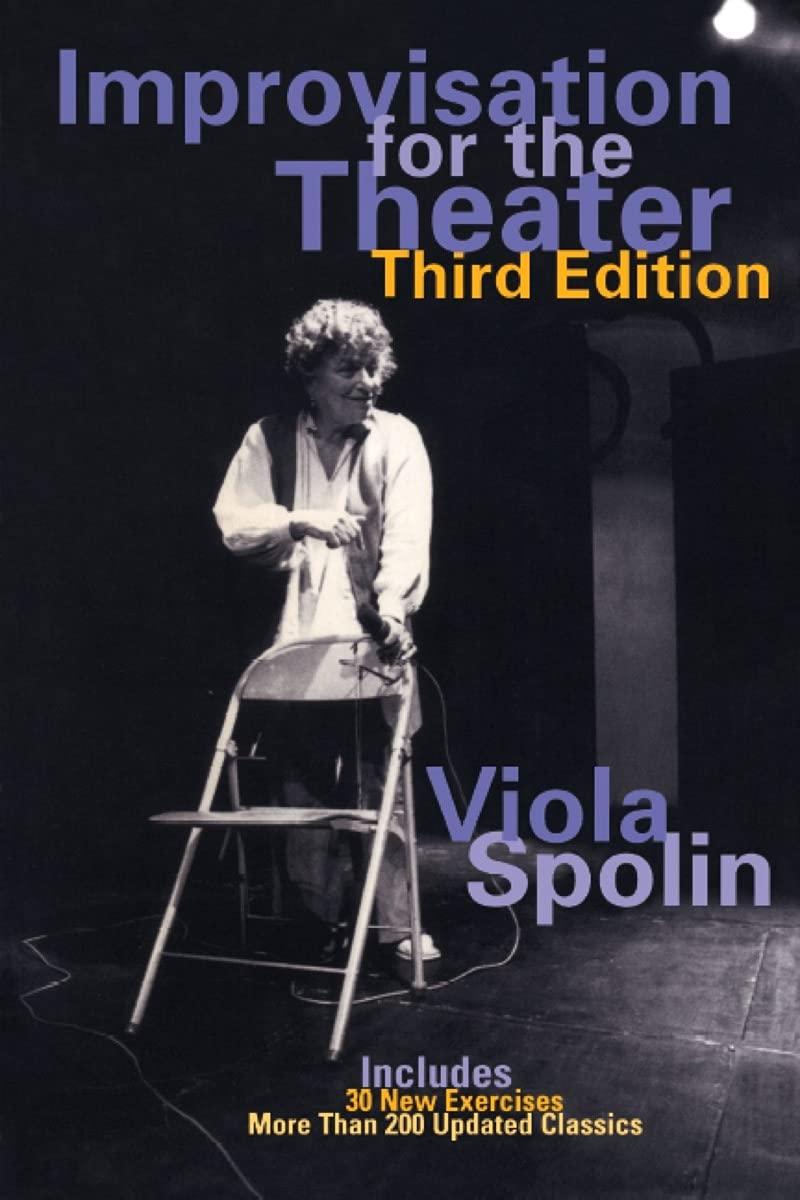
Improvisation for the Theater
A Handbook of Teaching and Directing Techniques
Viola Spolin
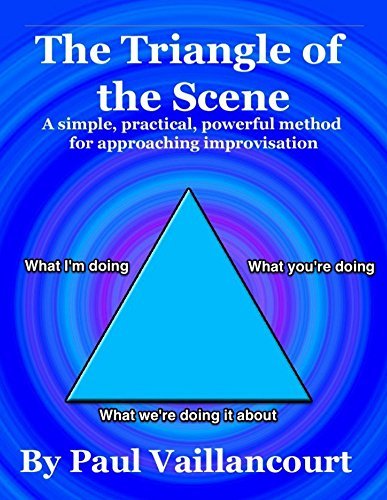
The Triangle of the Scene
A Simple, Practical, Powerful Method for Approaching Improvisation
Paul Vaillancourt
Theater Games for Rehearsal
Viola Spolin

Action Theater
The Improvisation of Presence
Ruth Zaporah

Improvisation Starters
A Collection of 900 Improvisation Situations for the Theater
Philip Bernardi
Theater Games for the Lone Actor
Viola Spolin
Related Exercises
Three Line Scenes
Three Line Scenes is an exercise in which pairs of performers create complete scenes using exactly three lines of dialogue each, totaling six lines. The extreme compression demands that every line establish character, relationship, environment, and conflict simultaneously, developing the skill of maximum impact with minimum words.
Three Line Solo
Three Line Solo is an exercise in which a single performer delivers a complete monologue in exactly three lines, establishing character, situation, and emotional truth in minimal words. The constraint pushes performers toward essential specificity and away from the habit of building to meaning through extended warm-up.
Three Rules
Three Rules is a scene exercise in which the facilitator establishes three specific constraints that performers must maintain throughout their scene. The constraints can be physical (always touching the wall, never letting your hands go below your waist), verbal (never using the letter S, only asking questions), or behavioral (treat your partner as royalty, move as if underwater). The exercise demonstrates that limitations generate rather than restrict creative choices, and trains performers to divide attention between scene work and rule compliance.
3 Line Scenes
3 Line Scenes is a compact scene drill and short-form game in which two players improvise a scene using only three lines in total. One player starts, the other responds, and the first player answers back. The short limit keeps the round simple, fast, and playable for new improvisers who are getting used to starting scenes in front of a group or audience.
Create Your Environment
Create Your Environment is an applied improvisation exercise in which participants use mime and physical specificity to build their ideal work environment one object at a time. After placing objects in the space, participants inhabit the environment through movement and character rather than description, demonstrating what the space enables them to feel and do. The exercise develops physical expressiveness, creative self-expression, and the ability to communicate through embodied action rather than verbal explanation.
How to Reference This Page
The Improv Archive. (2026). Three Line Environment. Retrieved September 28, 2026, from https://improvarchive.org/exercises/three-line-environment
The Improv Archive. "Three Line Environment." The Improv Archive, 2026. https://improvarchive.org/exercises/three-line-environment.
The Improv Archive. "Three Line Environment." The Improv Archive, 2026, https://improvarchive.org/exercises/three-line-environment. Accessed September 28, 2026.
The Improv Archive is a systemically maintained repository. The archive itself acts as the corporate author.