Blocked Vs. Unblocked Scenes is a comparative exercise in which performers play the same scene twice: once using denial and blocking, and once fully accepting every offer. The side-by-side contrast vividly demonstrates how blocking kills momentum while acceptance generates possibilities. It is one of the most effective tools for teaching the principle of agreement.
Structure
Setup
Two performers. The facilitator gives them a simple, concrete scene premise: a job interview, a first date, two neighbors arguing over a fence, a patient visiting a doctor.
Round 1: The Blocked Scene
Players perform the scene using denial, blocking, and redirection. Every offer is rejected, changed, or ignored. If one player says "I'm so glad you came to my birthday party," the other says "This isn't a birthday party." If someone establishes an object, the partner pretends it isn't there. The scene quickly becomes incoherent and stalled.
Run for 60-90 seconds - enough to feel the full effect without torturing the audience.
Round 2: The Unblocked Scene
Same premise. Same starting point. This time, players accept every offer fully and build on it. The birthday party is real - and there's a surprise. The object exists and becomes important. The relationship that was established gets deepened.
Run for 90-120 seconds.
Group Discussion
Pause between rounds 1 and 2 to ask: "What happened? What did you notice?" Then run round 2 and repeat the question.
Variation: Role Reversal
The players who watched now perform the same two rounds. New premise. Same structure.
How to Teach It
How to Explain It
"We're going to play the same scene twice. First: try to block everything your partner offers. Say no. Change what they establish. Second time: yes-and everything. Same starting point. Watch what happens."
Why It Matters
Blocked Vs. Unblocked Scenes is among the most pedagogically direct exercises in the improv training canon. The side-by-side format makes the contrast between blocking and acceptance impossible to argue with. Players who intellectually understand "yes-and" but haven't felt its effects in the body often experience a genuine revelation in this exercise. The unblocked scene invariably generates more narrative momentum, richer characters, and more genuine emotion - not because the performers are trying harder, but because the acceptance creates conditions for creativity to emerge.
Common Coaching Notes
- Brief the blockers clearly. Performers sometimes soften the blocking because they feel rude. Encourage them: "Be a genuine blocker. That's the whole point of round one."
- Don't let round 1 run too long. 60-90 seconds of blocking is enough to feel the effect. Beyond that, it just becomes unpleasant.
- The reveal conversation is essential. Don't skip the mid-exercise discussion. Ask the performers: "How did it feel to block? How did it feel to accept?" The subjective experience is as important as the observable result.
- Use with resistant performers. Players who intellectually resist the "yes-and" principle often shift after experiencing this exercise. It's evidence, not argument.
- Connect to specific scene moments. After the exercise, watch a scene the group performs and note moments where blocking appears. Having a shared reference makes feedback much more specific.
Debrief Questions
- What happened narratively in each version?
- How did it feel in your body to block? To accept?
- What made the unblocked scene work even when it went somewhere surprising?
Worth Reading
See all books →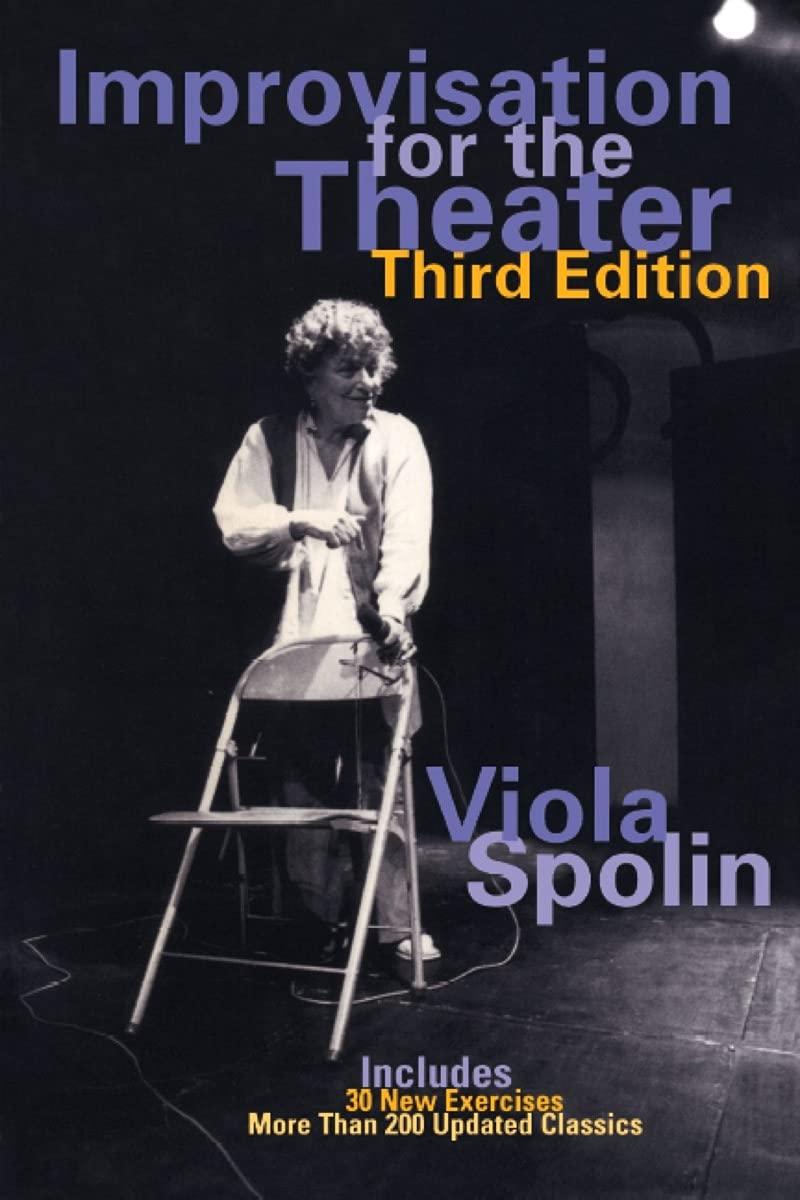
Improvisation for the Theater
A Handbook of Teaching and Directing Techniques
Viola Spolin
Theater Games for Rehearsal
Viola Spolin

Improvising Now
A Practical Guide to Modern Improv
Rob Norman

Improvisation Starters
A Collection of 900 Improvisation Situations for the Theater
Philip Bernardi
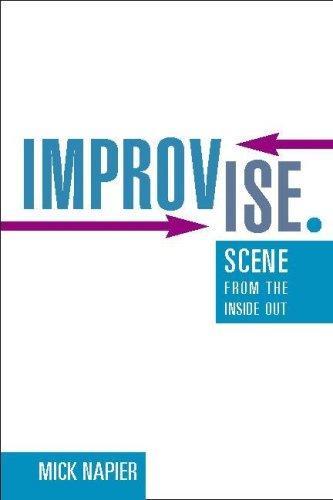
Improvise
Scene from the Inside Out
Mick Napier

Acting Through Improv
Improv Through Theatresports
Lynda Belt; Rebecca Stockley
Related Exercises
Rewind and Unblock
Rewind and Unblock is a coaching exercise in which a facilitator stops a scene at a point where it has stalled or gone off track, rewinds to a specific moment, and asks the performers to make a different choice. The exercise teaches performers to recognize blocking patterns and practice alternative responses in real time.
Lets Not
Let's Not is a scene-work exercise in which performers practice recognizing and resisting the impulsive move -- the immediate next step that seems obvious after an offer is made -- and instead exploring what already exists in the scene before building further. The exercise counters the improv tendency to pile offer onto offer and trains performers to dwell productively in established scene reality.
Non Sequitor
Non Sequitur is a hybrid game and exercise in which performers deliberately break logical connections between lines of dialogue, forcing each new statement to have no apparent relationship to the one before it. The exercise trains performers to let go of the need to make sense, builds comfort with absurdity, and paradoxically reveals how audiences will construct meaning even from disconnected material.
Agreement Scenes
Agreement Scenes is an exercise in which performers practice fully agreeing with every offer their scene partner makes. By removing all conflict and negation, the exercise reveals how scenes can build through mutual enthusiasm and escalating shared reality. It reinforces the "yes, and" principle at its most fundamental level.
Create Obstacles
Create Obstacles is a scene exercise in which performers deliberately introduce complications and barriers to their characters' goals. The exercise teaches that obstacles are the engine of dramatic interest: characters who get what they want without resistance produce flat, unengaging scenes. By practicing the creation of obstacles, performers develop the instinct to generate tension and problem-solving pressure from within the scene rather than waiting for obstacles to arrive from outside.
How to Reference This Page
The Improv Archive. (2026). Blocked Vs. Unblocked Scenes. Retrieved October 15, 2026, from https://improvarchive.org/exercises/blocked-vs-unblocked-scenes
The Improv Archive. "Blocked Vs. Unblocked Scenes." The Improv Archive, 2026. https://improvarchive.org/exercises/blocked-vs-unblocked-scenes.
The Improv Archive. "Blocked Vs. Unblocked Scenes." The Improv Archive, 2026, https://improvarchive.org/exercises/blocked-vs-unblocked-scenes. Accessed October 15, 2026.
The Improv Archive is a systemically maintained repository. The archive itself acts as the corporate author.