Touch to Talk and Eye Contact to Speak
Touch to Talk and Eye Contact to Speak is an applied exercise in which participants practice two distinct modes of initiating communication: physical touch as an invitation to speak, and sustained eye contact as a signal of direct address. The exercise builds precision in nonverbal communication and awareness of how physical cues shape conversational turns.
Structure
The Modes
The facilitator explains the two rules: placing a hand briefly on another person's shoulder or arm grants that person the floor, and maintaining direct eye contact with someone invites them into direct dialogue.
The Conversation
Participants have a group conversation governed entirely by these two rules. No one speaks unless they have been touched or made direct, sustained eye contact with the speaker.
The Awareness Round
After a few minutes, the facilitator pauses and asks participants to notice how they have been using the two modes, which they prefer, and how they felt receiving each.
The Debrief
The group discusses how these two modes differ in intimacy and authority, what the exercise revealed about their habitual communication patterns, and how deliberate use of physical and visual cues can change the quality of group conversation.
How to Teach It
Objectives
Touch to Talk and Eye Contact to Speak develops awareness of nonverbal communication as a system with its own grammar. Participants discover that physical cues carry authority, intention, and relationship information that words alone cannot convey.
Facilitation Notes
The two modes create different dynamics. Touch tends to feel more affirming and horizontal. Eye contact can feel more directive or challenging. These differences are material for the debrief.
Common Pitfalls
Participants sometimes comply with the rules technically without inhabiting them physically. A performative touch or a distracted glance will not produce the exercise's intended experience. Coach for genuine physical and visual contact.
In Applied Settings
Nonverbal Communication Training
The exercise is used in communication and leadership programs to build awareness of how physical and visual cues shape group dynamics, attention, and authority in professional settings.
Facilitation Training
Facilitators practice deliberately using touch and eye contact to manage group conversation, discovering that intentional nonverbal cues are more effective than verbal directives in many settings.
Team Cohesion Programs
Teams use the exercise to surface norms around physical contact and eye contact in their specific culture, opening a productive conversation about inclusion, comfort, and communication preferences.
Skills Developed
Worth Reading
See all books →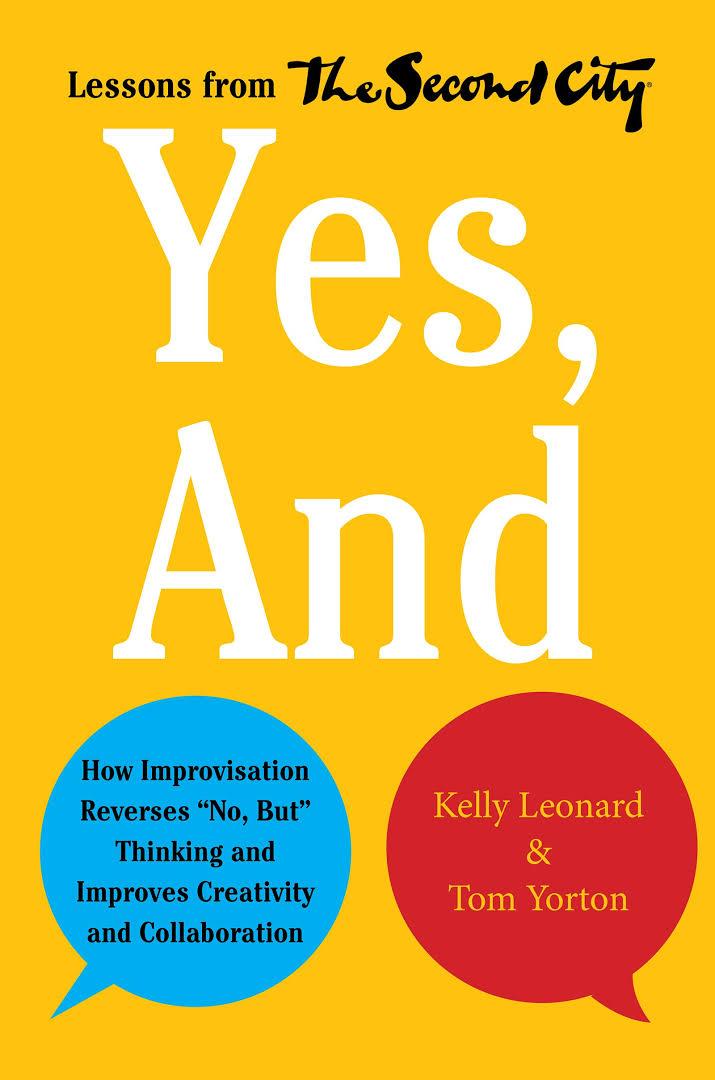
Yes, And
How Improvisation Reverses No, But Thinking and Improves Creativity and Collaboration
Kelly Leonard; Tom Yorton

When I Say This, Do You Mean That?
Enhancing Communication
Cherie Kerr; Julia Sweeney

Business Improv
Experiential Learning Exercises to Train Employees
Val Gee
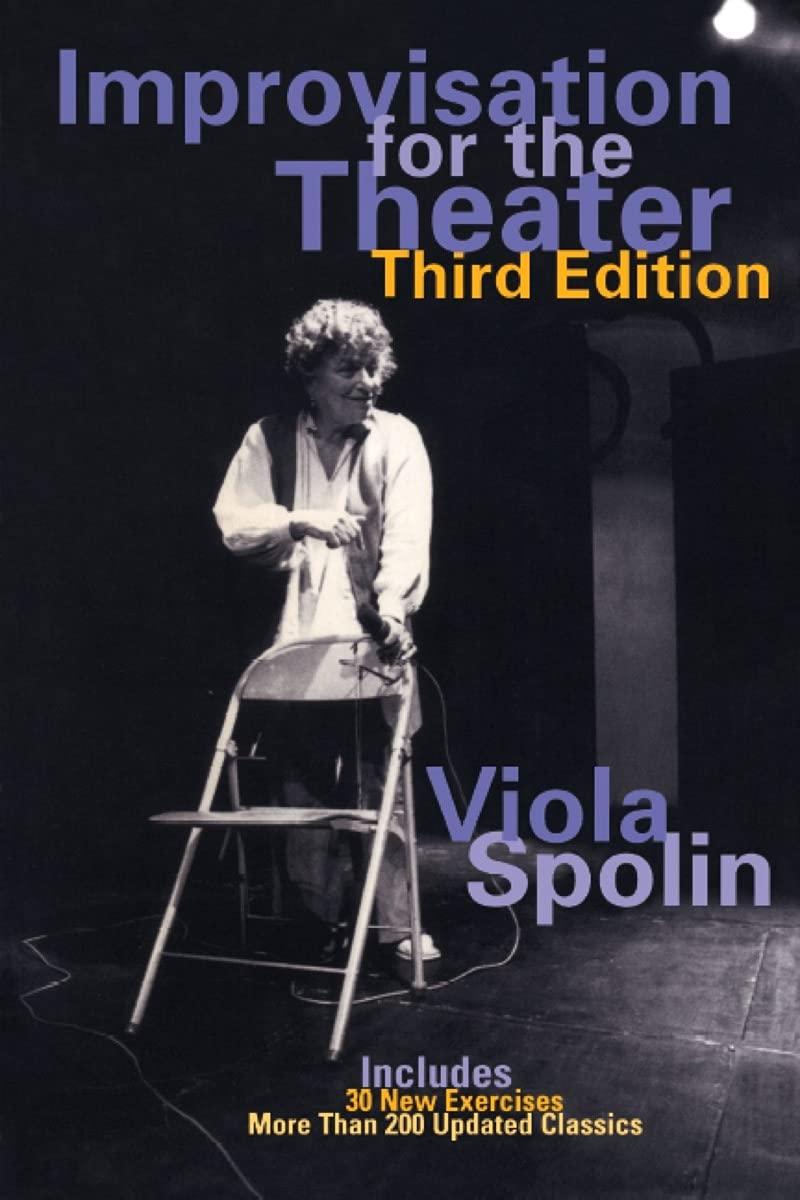
Improvisation for the Theater
A Handbook of Teaching and Directing Techniques
Viola Spolin

Improvised Theatre and the Autism Spectrum
A Practical Guide
Gary Kramer; Richie Ploesch

Playing Along
37 Group Learning Activities Borrowed from Improvisational Theater
Izzy Gesell
Related Exercises
Nonverbal Communication
Nonverbal Communication is an applied improvisation exercise in which participants interact, negotiate, and collaborate without spoken language, relying entirely on gesture, facial expression, body positioning, and physical presence. The exercise reveals how much information is transmitted nonverbally and trains participants to read and use body language with greater awareness and precision.
Everybody Touch Someone Who...
Everybody Touch Someone Who... is a physical warm-up exercise in which a caller names a characteristic or experience and all participants who match it must immediately move to touch at least one other person who also matches. The resulting movement creates visible social maps of the group -- who shares which experiences -- while generating physical energy and a sense of collective discovery through quick, full-body engagement.
New Object to Talk
New Object to Talk is a warm-up exercise in which participants pick up a random object and use it as a conversation starter, speaking to or about the object as if it has significance, purpose, or a story attached to it. The exercise trains spontaneous verbal commitment and the ability to generate content from minimal external stimulus.
Building Rapport
Structured activities for establishing connection and trust with colleagues through improvisational active engagement.
Touch to Talk
Touch to Talk is a scene exercise in which performers may only speak while physically touching another player or an object in the environment. The constraint forces players to make physical contact meaningful and teaches the connection between physical engagement and verbal expression.
Silent Organization
Silent Organization is an applied improvisation exercise in which the group must arrange themselves in a specific order without using any words, relying only on eye contact, gestures, and nonverbal negotiation. The exercise reveals how much communication is possible without language and how groups self-organize under constraint.
The Lineage
Explore the schools and structures that influenced or evolved from Touch to Talk and Eye Contact to Speak.
Yes, And (Kelly Leonard & Tom Yorton)
How to Reference This Page
The Improv Archive. (2026). Touch to Talk and Eye Contact to Speak. Retrieved September 28, 2026, from https://improvarchive.org/exercises/touch-to-talk-and-eye-contact-to-speak
The Improv Archive. "Touch to Talk and Eye Contact to Speak." The Improv Archive, 2026. https://improvarchive.org/exercises/touch-to-talk-and-eye-contact-to-speak.
The Improv Archive. "Touch to Talk and Eye Contact to Speak." The Improv Archive, 2026, https://improvarchive.org/exercises/touch-to-talk-and-eye-contact-to-speak. Accessed September 28, 2026.
The Improv Archive is a systemically maintained repository. The archive itself acts as the corporate author.