Cloud Atlas
Cloud Atlas is a long-form narrative game in which an ensemble builds multiple storylines across different time periods or settings, connected not by shared plot but by shared thematic resonance. Performers track parallel narrative threads, each carrying a version of a central image or emotional truth, allowing meaning to emerge from pattern and echo rather than linear causation.
Structure
Opening
An audience suggestion or ensemble decision establishes a central theme, image, or emotional question. This does not determine the stories; it provides the connective tissue between them.
Building Scenes
Pairs or small groups build scenes in different time periods, locations, or realities. Each scene stands as a self-contained human moment. Scenes do not reference each other's events or characters directly. The connections emerge through recurring images, character types, emotional arcs, or thematic questions rather than plot mechanics.
Editing
Scene edits shift between storylines without following chronological order. The ensemble reads the room and transitions based on thematic resonance: a word spoken in one scene may echo as a cut to another, or a physical image may repeat in a new context.
Convergence
The piece concludes when the ensemble senses thematic resolution -- storylines that have been running in parallel arrive at the same emotional truth from different directions. This is a felt moment rather than a plotted endpoint.
How to Teach It
Objectives
Cloud Atlas trains long-form narrative thinking, thematic awareness, and the ability to sustain multiple simultaneous story threads without resolving them through plot. It is an advanced exercise for ensembles that have mastered scene work and are developing long-form sensibility.
How to Explain It
"We're building several stories at once, in different places and times, all connected by a shared theme. Think of it as different songs with the same chord underneath. Your scene doesn't have to know about the other scenes. Just follow your story, stay in it, and trust that the connections will appear because they will."
Scaffolding
Introduce this game after the ensemble has worked with simpler parallel narrative forms. Begin with only two storylines and increase to three or four as the ensemble develops confidence. Early rounds benefit from a designated caller who signals scene transitions, freeing performers to stay in scenes rather than managing structure.
Common Sidocoaching
- "What is the emotional truth of this scene?"
- "Find the image -- don't force it."
- "Let the theme live in the specific moment you're in."
- "This scene is complete. It doesn't need to explain the others."
Common Pitfalls
The most common drift is ensembles treating the form as a puzzle to be solved rather than a resonance to be felt, resulting in characters who literally meet or plot threads that mechanically intersect. A second common pitfall is scenes that are too thematically abstract: performers trying to represent the theme rather than living in a specific human situation.
How to Perform It
Staging
Cloud Atlas works with a flexible staging approach. Scenes are built and struck quickly; the ensemble uses the full stage rather than fixed positions. Lighting changes between storylines, when available, help audiences track the shifts.
Performing the Connections
The game is strongest when performers trust thematic resonance over plot mechanics. Each scene needs to stand alone as a complete human moment; the connections to other storylines are secondary rather than primary. An ensemble with strong collective listening will allow recurring images and emotional states to deepen across scenes without forcing the connections. When a performer notices an echo from another storyline, they lean into it rather than pointing at it.
Pitfalls in Performance
Ensembles frequently try to make the storylines literally connect -- characters from one storyline appear in another, or events cause events in a different time period. This collapses the thematic space into plot mechanics and reduces the resonance that makes the form distinctive. The game is stronger when storylines never literally intersect but clearly share emotional DNA.
Wrap Logic
The host or a designated caller can call the final scene once a peak moment of thematic convergence has been reached. Alternatively the ensemble plays to a natural close in the final active scene.
Worth Reading
See all books →
Drama Games and Improvs
Games for the Classroom and Beyond
Justine Jones; Mary Ann Kelley
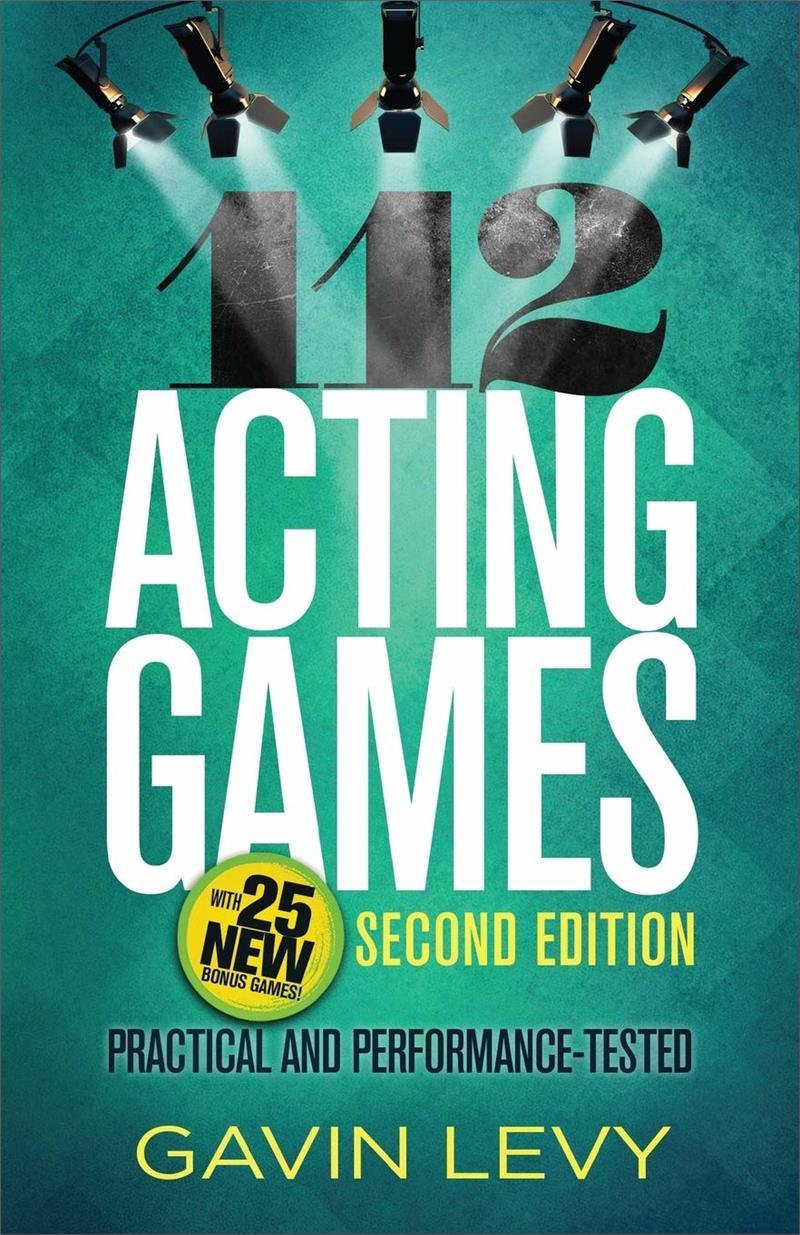
112 Acting Games
Gavin Levy
The Improvisation Game
Discovering the Secrets of Spontaneous Performance
Chris Johnston
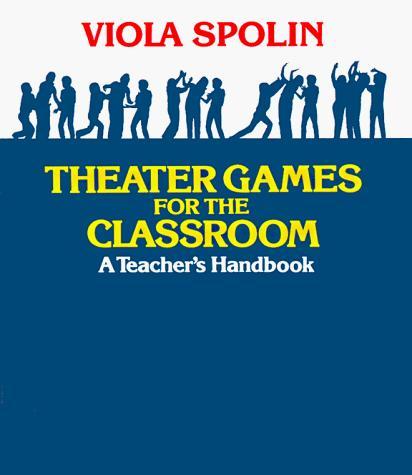
Theater Games for the Classroom
Viola Spolin

How to Improvise a Full-Length Play
The Art of Spontaneous Theater
Kenn Adams
Theater Games for Rehearsal
Viola Spolin
Related Games
Continuing Emotions
Continuing Emotions is a scene game in which performers cycle through a series of emotional states at the direction of a caller. Each emotional shift must be justified within the scene's reality rather than simply displayed, with characters finding a reason to feel the new state given what has just happened. The game trains emotional range, commitment, and the ability to sustain scene logic through rapid change.
3 Series
3 Series is a short-form game in which three unrelated scenes run simultaneously. The host or caller switches between the scenes, and performers must pick up each thread exactly where it left off. The game tests memory, commitment, and the ability to sustain multiple narratives at once.
Meanwhile
Meanwhile is a short-form game in which multiple scenes run in parallel, connected by the transitional word that gives the game its name. When a player or host calls the transition, the current scene freezes and a new scene begins in a different location, time period, or context. The game trains performers in quick context-switching, scene memory, and the ability to pick up a frozen scene exactly where it left off. Callbacks and connections between the parallel storylines elevate the game from a scene-switching exercise into a web of interlocking narratives.
How to Reference This Page
The Improv Archive. (2026). Cloud Atlas. Retrieved September 28, 2026, from https://improvarchive.org/games/cloud-atlas
The Improv Archive. "Cloud Atlas." The Improv Archive, 2026. https://improvarchive.org/games/cloud-atlas.
The Improv Archive. "Cloud Atlas." The Improv Archive, 2026, https://improvarchive.org/games/cloud-atlas. Accessed September 28, 2026.
The Improv Archive is a systemically maintained repository. The archive itself acts as the corporate author.