Complaints Department
Complaints Department is a scene game in which one performer staffs a customer service desk while others present increasingly unusual, impossible, or escalating grievances. The desk representative must take each complaint seriously, respond with bureaucratic procedure, and attempt to resolve or acknowledge each case, while the complaints become progressively more surreal.
Structure
Setup
One performer sits or stands behind a desk as the Complaints Department representative. A queue of performers waits to lodge grievances. An audience suggestion establishes the type of establishment running the complaints department: a hardware store, a space agency, an afterlife processing center, or any context that creates an interesting bureaucratic backdrop.
The Complaints
Performers approach the desk one at a time with their complaint. Complaints begin at a realistic level and escalate in absurdity, impossibility, or emotional intensity. Each complaint is lodged with full sincerity by the customer. The desk representative responds: acknowledging, redirecting, placing on hold, transferring to a supervisor, consulting policy manuals, or attempting resolution within the rules of the establishment.
Escalation Tools
The desk representative has access to several tools that sustain the game's momentum: placing customers on hold (other performers play hold music or recorded messages), summoning a supervisor (a third performer who arrives with additional authority and additional bureaucratic rigidity), or issuing complaint reference numbers that give the scene a procedural texture.
Conclusion
The host wraps when the queue is exhausted or when the absurdity has escalated to a satisfying peak.
How to Teach It
Objectives
Complaints Department trains the performer in managing a scene with multiple players, maintaining a consistent character in the face of increasingly absurd circumstances, and finding comedy in the collision between mundane institutional procedure and impossible content.
How to Explain It
"You run the complaints department of [establishment]. Every problem brought to you is real and completely valid from the customer's perspective. Your job is to handle it according to standard procedure. Treat every complaint like it's a standard Tuesday."
Common Pitfalls
The desk representative's most common drift is commenting on how strange the complaints are, which collapses the game's dual register. The comedy comes from earnest procedural engagement with impossible content. Sidocoach: "Stay in role. What's the policy for this?" A second pitfall is complaints that escalate in volume or emotion but not in absurdity; the most effective escalation is conceptual, not just emotional.
How to Perform It
Audience Intro
"We need a type of place that has a complaints department. What should our unlucky customer service representative be working at tonight?"
Cast Size
One primary performer at the desk. Two to five performers rotating through the complaint queue. Optionally one additional performer as supervisor and one as hold-music performer.
Staging
A desk and chair at center or stage right establishes the physical anchor. The queue stands to one side. Performers waiting in line can react visibly to each complaint they overhear, building the game's texture.
Pacing
Each complaint unit (approach, complaint, response, resolution or deferral) should resolve quickly enough that the queue keeps moving. The game slows if the desk gets stuck on one complaint for too long. The supervisor escalation is a useful reset when a complaint cannot be resolved: it transfers the scene to a new player and allows the original complaint to be closed.
Wrap Logic
The strongest wrap is a final complaint that is so enormous that the usual bureaucratic machinery breaks down completely, producing a moment of genuine human connection or total system failure. The host calls after that peak.
Worth Reading
See all books →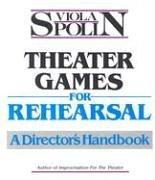
Theater Games for Rehearsal
Viola Spolin

Drama Games and Improvs
Games for the Classroom and Beyond
Justine Jones; Mary Ann Kelley
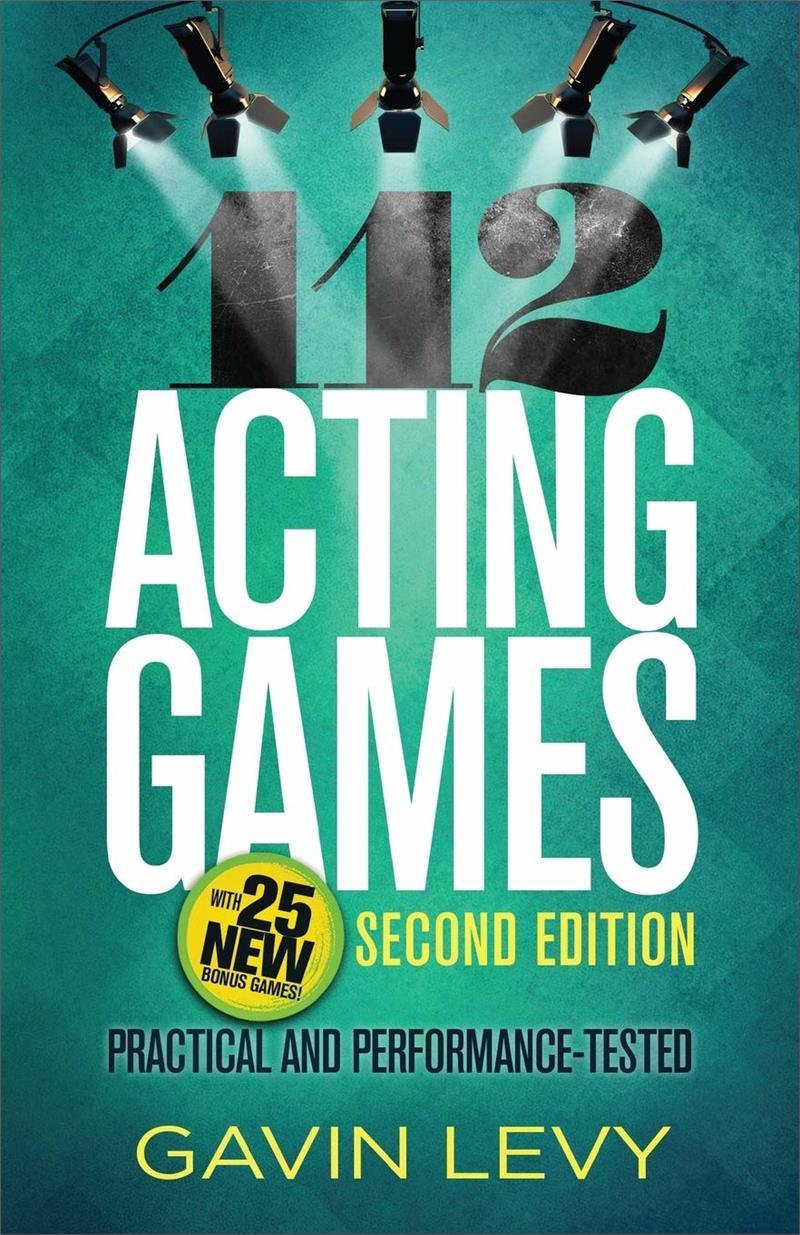
112 Acting Games
Gavin Levy

Business Improv
Experiential Learning Exercises to Train Employees
Val Gee

Improvisation Starters
A Collection of 900 Improvisation Situations for the Theater
Philip Bernardi
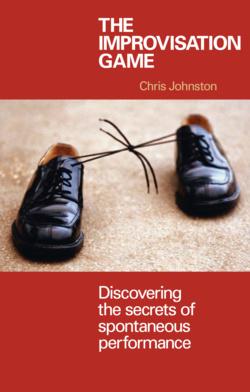
The Improvisation Game
Discovering the Secrets of Spontaneous Performance
Chris Johnston
Related Games
Complaint Letter
Complaint Letter is a short-form game in which a performer delivers an increasingly overwrought letter of complaint, often composed from audience suggestions. The letter escalates in specificity, emotional intensity, and absurdity as it progresses, culminating in an outrageous demand. Supporting performers may act out the events described or respond as arbiters of the grievance.
Rant
Rant is a monologue game in which a performer delivers a passionate, escalating tirade on an audience-suggested topic. The rant must build in intensity and specificity without losing coherence. The game rewards vocal commitment, comedic exaggeration, and the ability to find a genuine emotional core within an absurd complaint.
Hall of Justice
Hall of Justice is a scene game set in a courtroom or tribunal in which characters present their cases, testify, cross-examine, and pass judgment on an audience-suggested dispute. The legal framework provides a formal structure -- order, procedure, escalating confrontation -- that generates comedy through the application of courtroom gravity to trivial or absurd subject matter. The game rewards commitment to the legal form and the ability to find rhetoric and passion in any cause.
Repair Shop
Repair Shop is a scene game in which one performer plays a repair technician and a customer brings in an unusual or abstract item to be fixed. The technician must diagnose the problem and describe the repair process, building an entire reality around an object that may not physically exist or may be deliberately absurd.
Cd Shop
CD Shop is a short-form game in which performers play characters browsing or working in a music store, using musical genres and band references as a springboard for character and comedy. The setting provides natural opportunities for musical performance, strong opinions, and cultural clashes. The game rewards pop culture knowledge and distinct character voices.
How to Reference This Page
The Improv Archive. (2026). Complaints Department. Retrieved September 28, 2026, from https://improvarchive.org/games/complaints-department
The Improv Archive. "Complaints Department." The Improv Archive, 2026. https://improvarchive.org/games/complaints-department.
The Improv Archive. "Complaints Department." The Improv Archive, 2026, https://improvarchive.org/games/complaints-department. Accessed September 28, 2026.
The Improv Archive is a systemically maintained repository. The archive itself acts as the corporate author.