Protest Song
Protest Song is a musical improv game in which performers compose and deliver an improvised protest song about a topic suggested by the audience. The performers channel righteous indignation, folk-music sincerity, and escalating absurdity as they rally the audience around a cause that may be trivial, serious, or surreal.
Structure
Setup
One or more performers take the stage with a musician. The host asks the audience for something that bothers them, a minor annoyance, a social issue, or a workplace frustration. The musician establishes a folk, punk, or rally-song feel.
Progression
The lead performer launches into the protest song, establishing the grievance and a rallying cry. The verses detail specific complaints, escalating from reasonable to absurd. A suggestion about "people who do not use turn signals" might begin with genuine traffic frustration and build to conspiracy theories about a secret anti-blinker society.
The chorus serves as the rallying point, returning after each verse with a simple, singable hook that the audience can join. The strongest protest songs invite audience participation through call-and-response or a repeated chant.
If multiple performers participate, they can trade verses, harmonize on the chorus, or play different characters within the movement: the fiery leader, the reluctant convert, the extreme radical who takes the cause too far.
Variations
A counter-protest version has two performers on opposite sides of the issue, each singing their case. A medley version strings together three short protest songs on different topics. A historical version sets the protest in a specific era, with the musical style and language matching the period.
How to Teach It
Objectives
Protest Song develops musical improvisation skills, emotional commitment, and the ability to build a comedic premise through escalation. The game teaches performers to sustain a point of view through multiple verses while finding new angles on the same topic.
How to Explain It
"The audience is going to give you something that bothers them. You are going to write a protest song about it right now. This is serious business. You care deeply about this cause. Rally us to your side."
Scaffolding
Begin with topics that have obvious comedic potential: minor annoyances, silly pet peeves. These give performers easy material for escalation. As comfort builds, introduce topics that require more creative treatment. Practice building a simple chorus before tackling full verses.
Common Pitfalls
The most common error is performers who treat the topic ironically rather than sincerely. The comedy comes from sincere passion about something that does not warrant it, not from winking at the audience about how silly the song is.
A second issue is verses that repeat the same complaint in different words rather than escalating or finding new angles. Each verse should reveal a new dimension of the grievance or take the argument to a more extreme place.
How to Perform It
Commitment to the cause is everything. The performer must believe absolutely in the importance of the topic, regardless of how trivial it is. Playing it as genuinely important while the audience recognizes the absurdity is the engine of the comedy. The musician should support the emotional escalation, building from quiet folk strumming to anthemic crescendo. Audience sing-along moments are gold. A simple, repeatable chorus phrase that the audience can learn within one repetition transforms the game from a performance into a shared experience.
Worth Reading
See all books →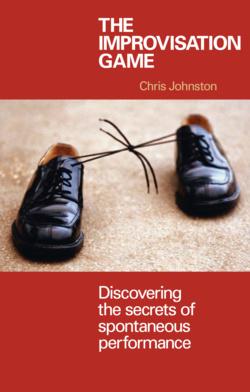
The Improvisation Game
Discovering the Secrets of Spontaneous Performance
Chris Johnston
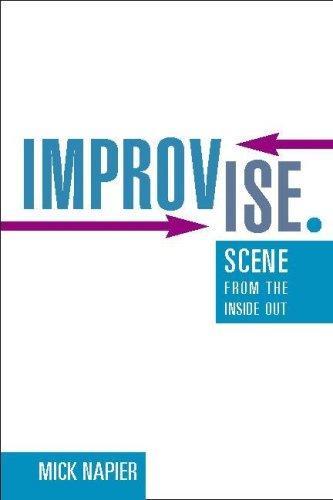
Improvise
Scene from the Inside Out
Mick Napier

Improvising Now
A Practical Guide to Modern Improv
Rob Norman
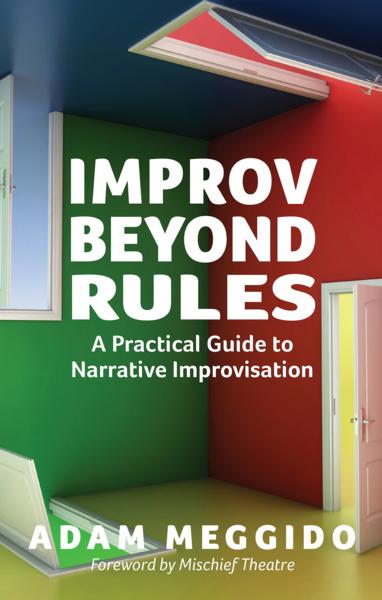
Improv Beyond Rules
A Practical Guide to Narrative Improvisation
Adam Meggido

Whose Improv Is It Anyway?
Beyond Second City
Amy E. Seham
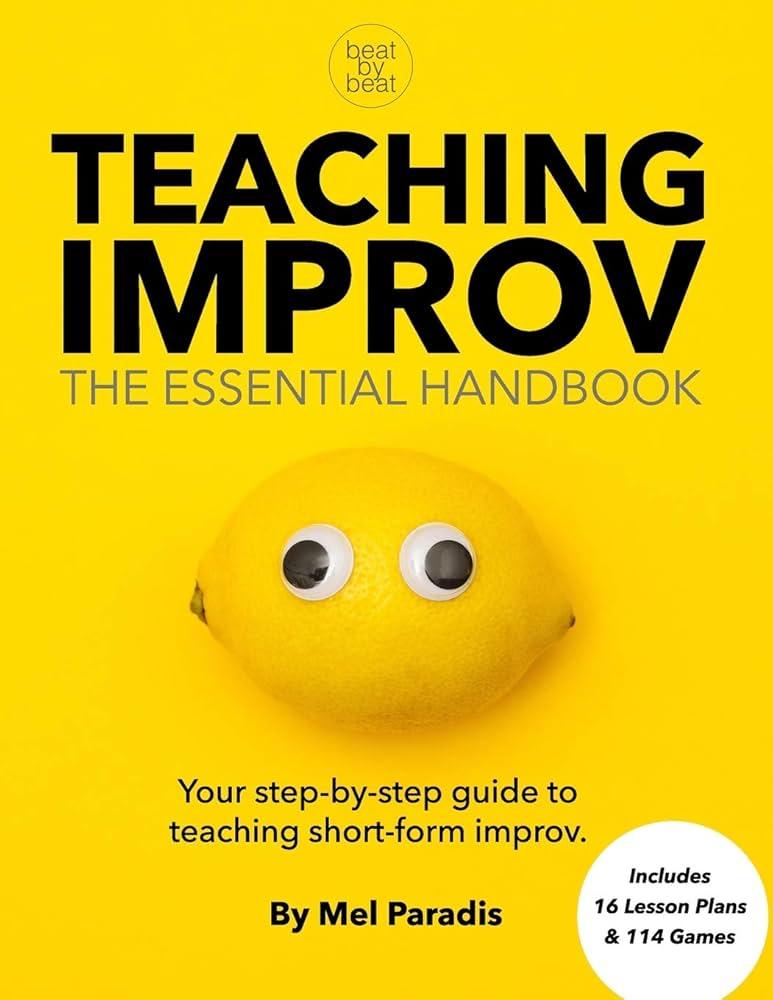
Teaching Improv
The Essential Handbook
Mel Paradis
Related Games
The Band
The Band is a musical improv game in which performers form a fictional band, complete with an audience-suggested name and genre, and perform original songs on the spot. The game includes in-character banter between songs, introductions, and crowd interaction that develops the band's fictional identity. It rewards musical confidence, ensemble coordination, and the ability to commit to a shared musical persona.
Blues Jam
Blues Jam is a musical improv game in which performers sing improvised blues verses based on audience suggestions. The twelve-bar blues structure provides a reliable musical framework that supports even novice singers. The game rewards emotional commitment and the ability to find humor or pathos in everyday situations.
Verses
Verses is a musical improv game in which performers trade improvised song verses on a given topic, each verse building on or responding to the previous one. The alternating structure creates a musical conversation that develops through successive exchanges, with each performer advancing the song's argument, narrative, or emotional arc. The game rewards lyrical creativity, melodic consistency, and the ability to support a partner's musical choices.
Rap Battle
Rap Battle is a musical improv game in which two performers trade improvised rap verses, each responding to the other's lines with rhymes, wordplay, and escalating wit. The game combines freestyle vocal performance with the competitive energy of hip-hop battle culture, creating a high-energy audience experience.
Sing It
Sing It is a short-form game in which a host signals performers to interrupt their scene dialogue and immediately sing a song containing the word or phrase just spoken. The performer sings a relevant portion of the song, then returns to the scene. The game rewards broad musical knowledge, quick verbal association, and the willingness to commit to an unplanned song in public.
Irish Drinking Song
Irish Drinking Song is a musical performance game in which the cast creates an improvised song in the style of a rousing pub ballad, with performers contributing one line at a time in rotation to a fixed AABB rhyme scheme and a predictable musical structure. The game is designed to be accessible to non-singers: the structure does most of the work, and the challenge is rhyming ability and the ensemble's capacity to construct a coherent verse collaboratively under the rhythm's forward momentum.
How to Reference This Page
The Improv Archive. (2026). Protest Song. Retrieved September 28, 2026, from https://improvarchive.org/games/protest-song
The Improv Archive. "Protest Song." The Improv Archive, 2026. https://improvarchive.org/games/protest-song.
The Improv Archive. "Protest Song." The Improv Archive, 2026, https://improvarchive.org/games/protest-song. Accessed September 28, 2026.
The Improv Archive is a systemically maintained repository. The archive itself acts as the corporate author.