Space Jump
Space Jump is a short-form game in which one performer begins a scene alone. At the call of "space jump," a new performer enters and initiates a completely different scene. When "space jump" is called again, a third performer enters with yet another scene. Eventually the scenes are unwound in reverse order, returning to each previous scene where it left off.
Structure
Setup
The host takes suggestions from the audience for a location, activity, or situation. One performer takes the stage and begins a solo scene based on the suggestion.
Building Scenes
The first performer establishes a scene and plays it for roughly thirty seconds to a minute. The host calls "space jump" and the performer freezes in their current position. A second performer enters the stage, taps the frozen performer, and initiates an entirely new scene. The first performer's frozen position becomes the starting physical position for the second performer's new scene, reinterpreted in the new context.
This process repeats. After the second scene plays for a time, "space jump" is called again. A third performer enters, reinterprets the frozen positions, and starts a third scene. The game typically builds to four or five layered scenes.
The Unwind
Once all scenes have been established, the host begins calling "space jump" to remove performers in reverse order. Each time a performer exits, the remaining performers must resume the previous scene exactly where it left off: same physical positions, same dialogue in progress, same emotional state.
The challenge of the unwind is memory and physical precision. Performers must recall exactly what they were doing, saying, and feeling when their scene was interrupted, then pick up seamlessly from that moment.
Finale
The unwind continues until only the original solo performer remains, completing the first scene. The game's structure creates a satisfying palindromic arc: scenes build up and then peel away in reverse.
How to Teach It
Objectives
Space Jump develops physical memory, scene initiation, the ability to freeze and resume scenes, and comfort with layered narrative structures. It is an excellent introduction to the concept of scenic patience and recall.
How to Explain It
"One person starts a scene. When I say space jump, you freeze. Someone new enters, taps you, and starts a different scene using your frozen position. We keep adding scenes. Then we unwind them in reverse, going back to each scene where it left off."
Scaffolding
Begin with just two scenes: establish and unwind. Add a third scene once the group demonstrates reliable memory of the first scene's details. Build to four or five scenes only after the group shows facility with the unwind mechanic. Emphasize that each performer is responsible for remembering their own scene's details.
Common Pitfalls
The most common issue is performers who cannot remember where their scene left off during the unwind. Coach them to make a mental note of their exact position and last line when they hear "space jump." Another pitfall is performers who start new scenes that are too similar to previous ones, reducing the contrast that makes the game entertaining.
How to Perform It
Physical Memory
The game demands precise physical memory. When a scene is interrupted, the performer must remember their exact body position, the gesture they were making, and the physical relationship to other performers. Picking up a scene in the wrong position breaks the illusion.
Contrast Between Scenes
The game is strongest when each new scene contrasts sharply with the previous one. If scene one is a quiet domestic moment, scene two might be a high-energy action sequence. Variety in tone, energy, and subject matter makes the layering more entertaining and the transitions more surprising.
Physical Reinterpretation
The moment when a new performer reinterprets the frozen positions is a key creative opportunity. A performer frozen while reaching for a high shelf might become, in the next scene, someone conducting an orchestra or hailing a taxi. The more surprising and committed the reinterpretation, the stronger the transition.
History
Space Jump originated as a TheatreSports game, part of Keith Johnstone's competitive improvisation format developed in Calgary in the late 1970s. The game became a staple of TheatreSports competitions worldwide and later gained broader recognition through its use in television improv shows. Its layered structure and visual clarity make it one of the most audience-friendly short-form games in the improv canon.
Worth Reading
See all books →
Acting Through Improv
Improv Through Theatresports
Lynda Belt; Rebecca Stockley

The 5 Elements of Improv
How to Take Your Improv to the Next Level
Andrew M. Spragge; Karen L. Eichler
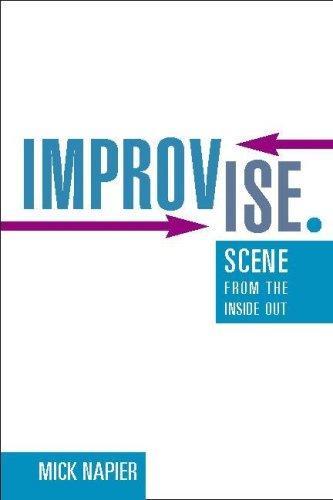
Improvise
Scene from the Inside Out
Mick Napier
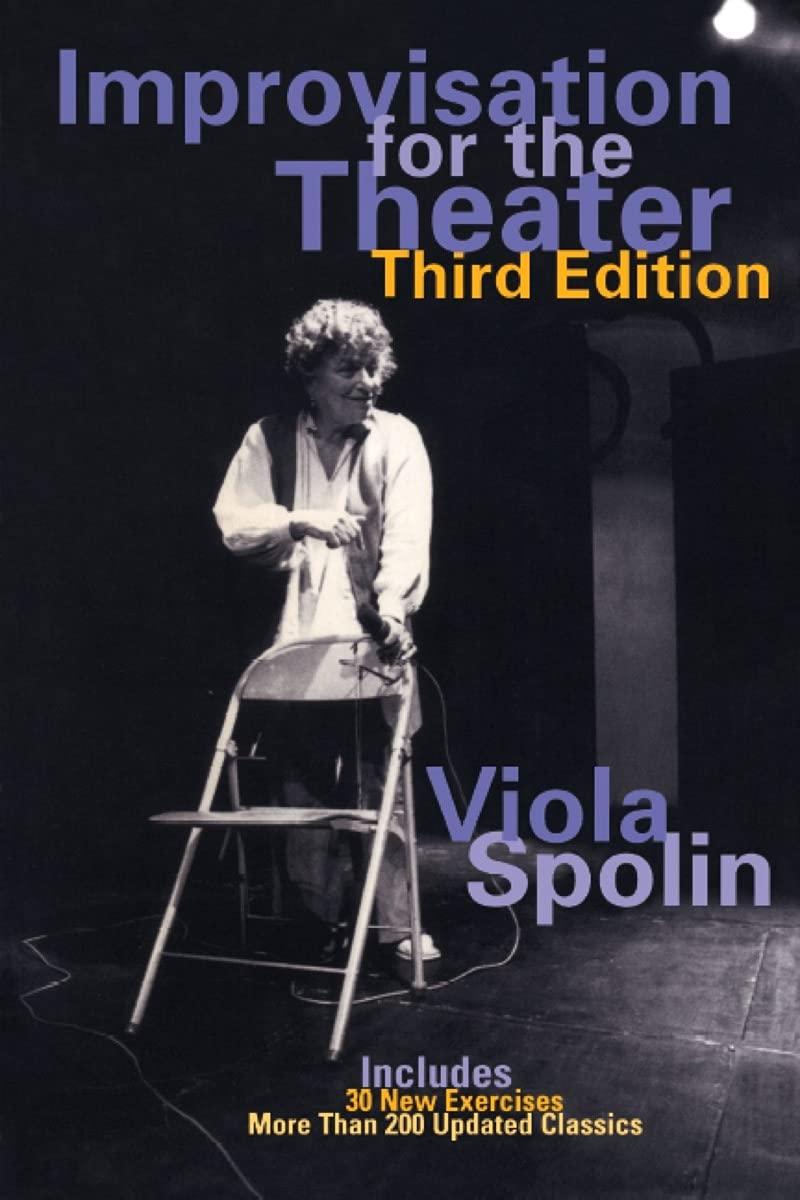
Improvisation for the Theater
A Handbook of Teaching and Directing Techniques
Viola Spolin

Something from Nothing
The Technique of Improvisation
Richard Goteri
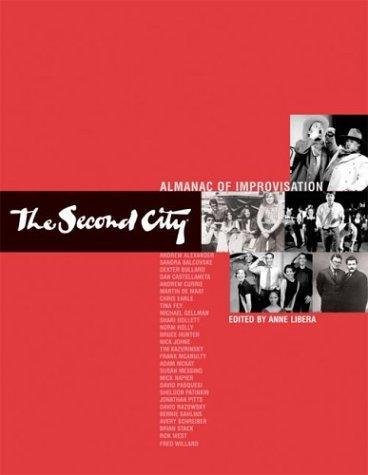
The Second City Almanac of Improvisation
Anne Libera
Related Games
Rewind
Rewind is a short-form game in which a host calls out during a scene, causing performers to physically and verbally reverse their actions back to an earlier moment, then replay forward with different choices. The game rewards strong physical memory, comedic timing at the point of replay, and the ability to generate distinct alternatives quickly when the scene resumes.
Dubbing
Dubbing is a performance game in which one performer provides the physical actions for a character while a separate performer supplies that character's voice from offstage or from behind. The deliberate separation of voice and body creates inherent comedy as the two performers attempt to synchronize, producing a character that appears to have a mind of its own. Dubbing trains complementary skills: the body performer must generate clear, readable physical actions, while the voice performer must interpret and justify those movements through dialogue. The game appears across many short-form formats and is one of the most audience-accessible improv games due to its immediately visible comic mechanism.
Understudy
Understudy is a scene game in which performers replace one another mid-scene and must instantly continue as the character just vacated, adopting their voice, physicality, and emotional state. The replacing performer must observe closely while waiting and commit to a specific replication rather than a generic impression. The game trains character observation, physical specificity, and the ability to enter mid-scene without disrupting its reality.
Boom Chicago
Boom Chicago is a high-energy short-form game format in which performers rapidly cycle through a series of very brief scenes or blackouts, each landing on a single joke or comedic moment before cutting to the next. The pace demands instant clarity originating from the performance style of the Boom Chicago theatre in Amsterdam. The game prioritizes speed, economy of language, and the ability to establish and deliver a comic premise within seconds. Each micro-scene functions as a self-contained unit, requiring performers to commit fully to a single idea without the luxury of gradual scene development. The format rewards performers who can generate strong initiations, recognize the comic peak of a premise immediately, and edit themselves before the energy dissipates.
Backwards Scene
Backwards Scene is a short-form game in which performers play a scene from its final moment to its first. Each exchange must logically precede what the audience has already seen, creating a reverse-engineered narrative that rewards careful physical and verbal continuity.
The Lineage
Explore the schools and structures that influenced or evolved from Space Jump.
TheatreSports
How to Reference This Page
The Improv Archive. (2026). Space Jump. Retrieved September 28, 2026, from https://improvarchive.org/games/space-jump
The Improv Archive. "Space Jump." The Improv Archive, 2026. https://improvarchive.org/games/space-jump.
The Improv Archive. "Space Jump." The Improv Archive, 2026, https://improvarchive.org/games/space-jump. Accessed September 28, 2026.
The Improv Archive is a systemically maintained repository. The archive itself acts as the corporate author.