Heightening
The technique of escalating the central pattern, emotion, or absurdity of a scene with each successive beat. Heightening increases the stakes or intensity of the game while maintaining the internal logic of the scene. It is the primary engine of comedic momentum in long-form improvisation.
At the heart of long-form improvisation lies a deceptively simple principle: once something interesting emerges in a scene, the performers' job is to do more of it, and to do it bigger. Heightening is the technique of escalating the central pattern, emotion, or absurdity of a scene with each successive beat. It increases the stakes or intensity of the game while maintaining the internal logic of the scene, and it serves as the primary engine of comedic momentum in long-form improvisation.
The concept has roots in several traditions. Viola Spolin's foundational exercises included work on "heightening the reality" of a scene's environment, treating escalation not as exaggeration for its own sake but as a way to deepen the performers' commitment to an established reality. This distinction matters: heightening is not simply making things louder or wilder, but rather finding what is already true in a scene and pressing further into it. As Mick Napier observes, it is "perhaps the trickiest part of improvisation: hanging on to what we create and heightening it, or making more of it." Napier identifies one reason performers struggle with this skill: they are, in his words, "too nice," reluctant to push a dynamic or pattern to its logical extreme.
In the Upright Citizens Brigade tradition, heightening is closely bound to the concept of game. As Fotis documents, UCB-influenced performers identify the first unusual thing in a scene and then heighten it, or they discover the scene's pattern and escalate from there. Mark Jane describes the same mechanic in simpler terms: "if you repeat something and each time you repeat it you make it a bit stronger, you will be doing exactly that." This framing connects heightening to the related concept of the rule of threes, where each successive instance of a pattern raises the intensity, creating a satisfying comedic arc.
Teaching heightening typically involves helping performers recognize what is already working before they try to escalate. Lynn Johnston positions it alongside exploring and finding the game as core skills, suggesting a natural sequence: performers first explore a scene's possibilities, then identify its game, and finally heighten that game through deliberate escalation. The coaching emphasis is on restraint as much as ambition. A common pitfall is what practitioners sometimes call "going sideways," where a performer introduces a new idea rather than building on the established one. Another frequent mistake is escalating too quickly, burning through the scene's potential in a single leap rather than allowing the audience to ride a series of incremental raises.
Heightening also functions outside of comedy-specific contexts. Bucs notes that the skill of heightening allows improvisers to "infer and assert subtextual information from subtle indications," making it valuable in applied and theatrical improvisation where emotional truth matters more than laughs. Keefe frames it as part of a broader artistic discipline, linking heightening to emotional connection and the commitment to using what has been given.
The concept is closely related to game, pattern, and yes-and. Where yes-and establishes agreement and addition as the foundation of scene work, heightening provides the direction of that addition: not sideways into new territory, but upward along the line the scene has already drawn. It transforms a single funny moment into a sustained comedic engine, giving both performers and audiences the pleasure of watching an idea pushed to its furthest honest conclusion.
Further Reading
See all books →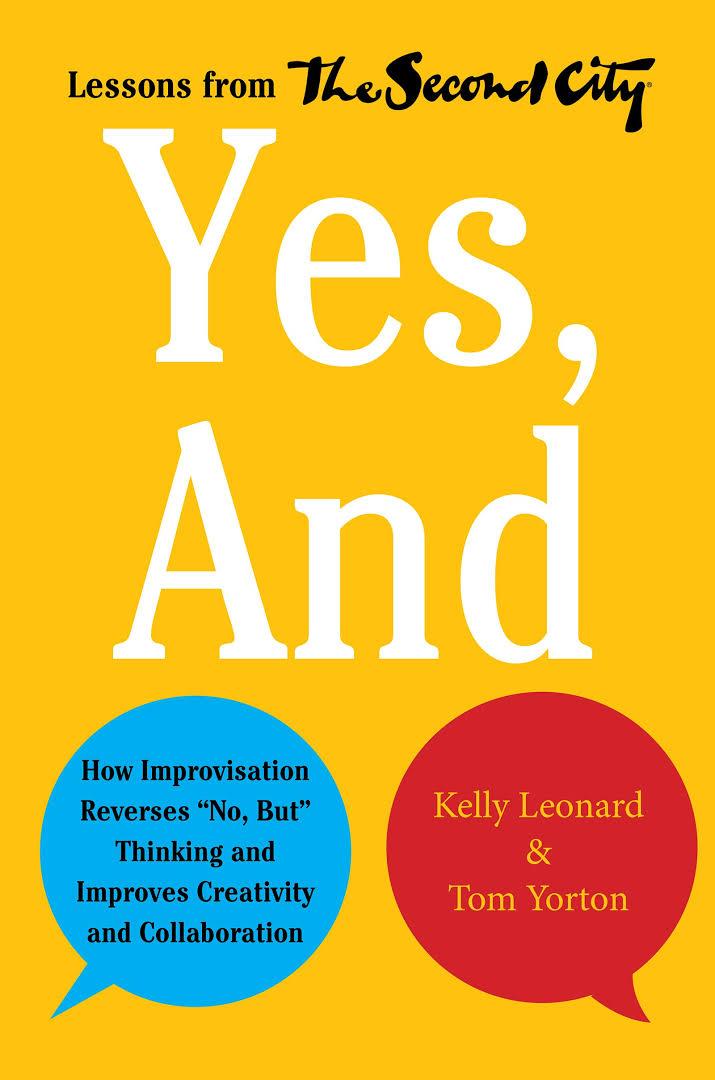
Yes, And
How Improvisation Reverses No, But Thinking and Improves Creativity and Collaboration
Kelly Leonard; Tom Yorton

The Art of Chicago Improv
Short Cuts to Long-Form Improvisation
Rob Kozlowski
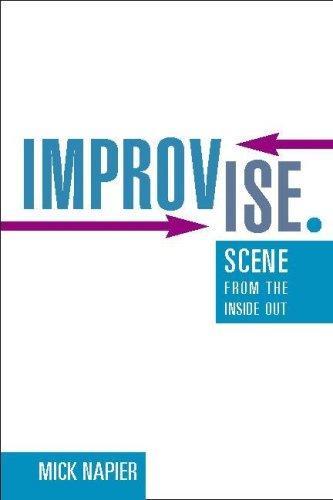
Improvise
Scene from the Inside Out
Mick Napier
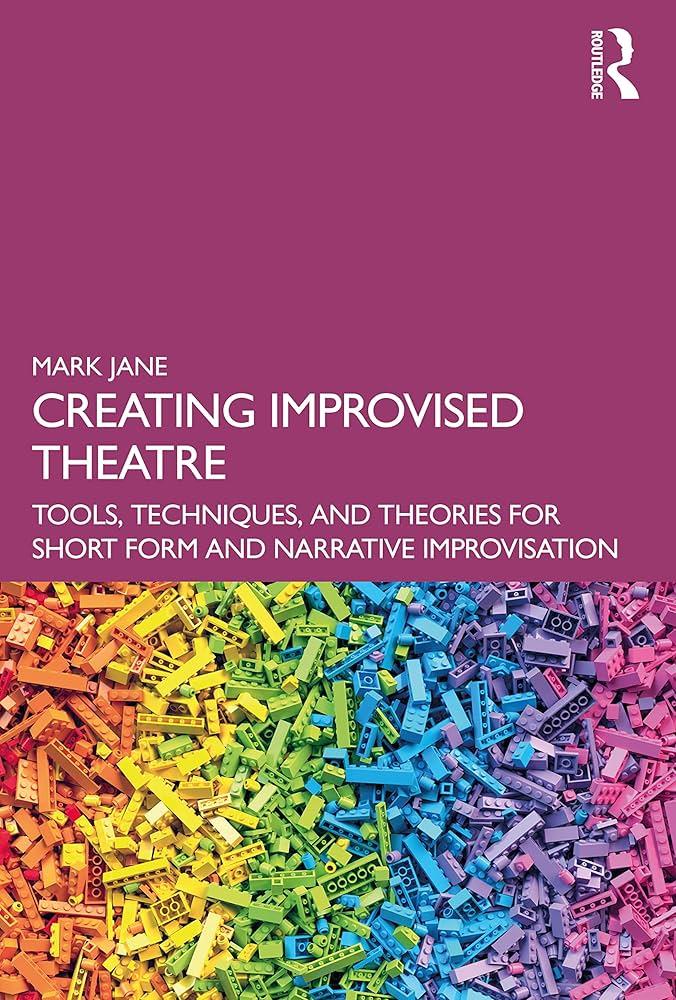
Creating Improvised Theatre
Tools, Techniques, and Theories
Mark Jane

Improv Yourself
Business Spontaneity at the Speed of Thought
Joseph A. Keefe
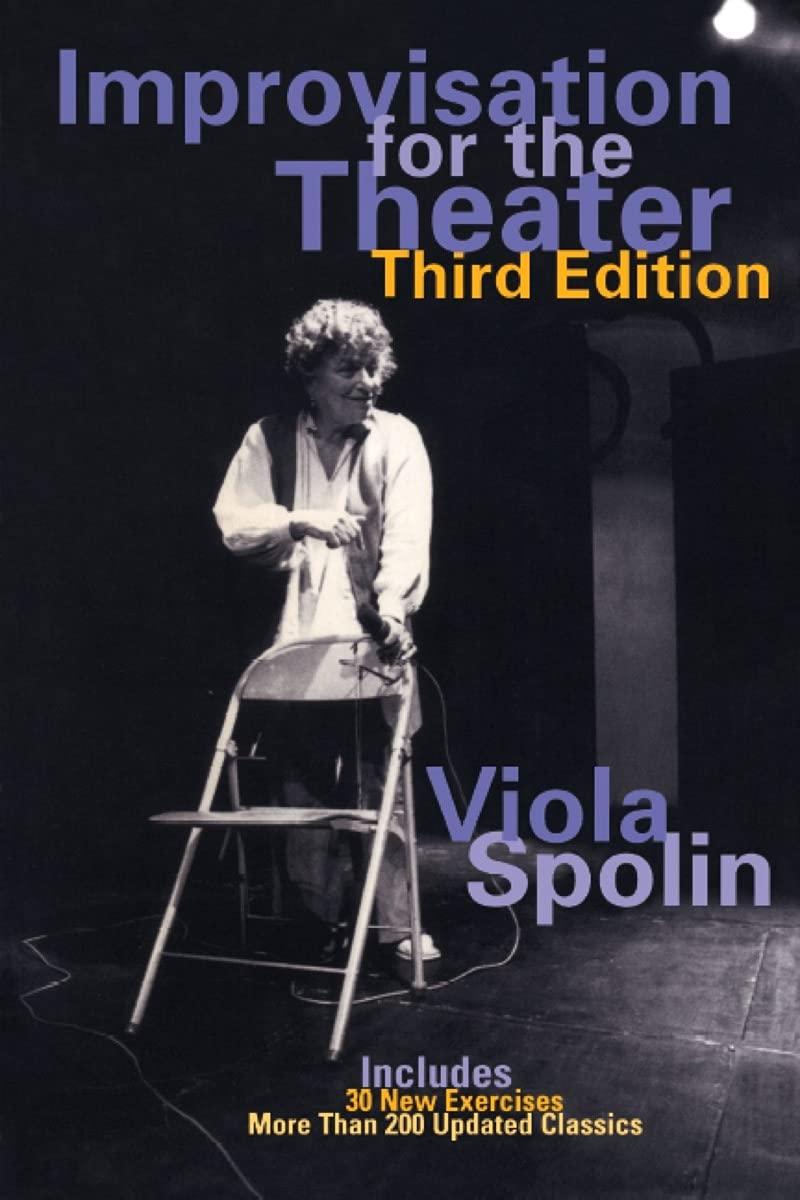
Improvisation for the Theater
A Handbook of Teaching and Directing Techniques
Viola Spolin
How to Reference This Page
The Improv Archive. (2026). Heightening. Retrieved September 28, 2026, from https://improvarchive.org/learn-improv/concepts/heightening
The Improv Archive. "Heightening." The Improv Archive, 2026. https://improvarchive.org/learn-improv/concepts/heightening.
The Improv Archive. "Heightening." The Improv Archive, 2026, https://improvarchive.org/learn-improv/concepts/heightening. Accessed September 28, 2026.
The Improv Archive is a systemically maintained repository. The archive itself acts as the corporate author.