Kenn Adams is an American improviser, director, author, and inventor of the Story Spine, one of the most widely adopted narrative frameworks in improvisation and storytelling. As founding Artistic Director of San Francisco's Synergy Theater, Adams has spent over three decades performing, directing, and teaching full-length improvised plays. He authored How to Improvise a Full-Length Play: The Art of Spontaneous Theater and created the improv games Sit, Stand and Kneel and The Family Dinner. The Story Spine gained global recognition after Pixar Animation Studios adopted it as a core storytelling tool.
Adams began his career in New York City, performing with Freestyle Repertory Theater and the New York Home for TheatreSports. These early experiences connected him to the Theatresports tradition founded by Keith Johnstone and the emerging long-form improvisation movement in the United States.
In 1991, Adams created the Story Spine, a deceptively simple narrative framework that provides a template for constructing complete stories through a sequence of prompts: 'Once upon a time... Every day... But one day... Because of that... Because of that... Because of that... Until finally... And ever since then...' He developed the tool for use in improv workshops, with students collaboratively building stories by each completing one proposition before passing the narrative to the next person. The Story Spine distilled the essential architecture of dramatic narrative into a form accessible to beginners while remaining useful to experienced performers and writers.
Adams founded Synergy Theater in the San Francisco Bay Area, serving as its Artistic Director. Synergy specializes in full-length improvised plays, performing complete theatrical works in various styles created entirely in the moment. The company also operates a School of Improv for training, arts-in-education programs bringing theatre enrichment to elementary and high school students, corporate innovation training, and community improv jams.
He authored How to Improvise a Full-Length Play: The Art of Spontaneous Theater, published by Allworth Press. The book presents a step-by-step method for long-form improvisation, covering plot structure, storytelling techniques, character development, symbolism, and advanced scene work. It remains one of the few published guides specifically addressing the challenge of creating a complete, structured play through improvisation.
Adams also created two widely performed short-form improv games. Sit, Stand and Kneel is a physical constraint game requiring three performers to continuously adjust their positions so that one is always sitting, one standing, and one kneeling while performing a scene. The Family Dinner, also known as Ding/Buzz or Biography, adds layered conversational challenges to scene work. Both games have become standards in improv curricula internationally.
The Story Spine gained its widest recognition through its adoption by Pixar Animation Studios. Rebecca Stockley, who had encountered the framework through the improv community, brought it into Pixar's storytelling workshops, where writers and directors used it to quickly test and evaluate story ideas. In 2012, Pixar story artist Emma Coats included the Story Spine as Rule 4 in her viral '22 Rules of Storytelling' thread, which spread the framework to millions of writers, educators, and storytelling practitioners worldwide.
Historical Context
Adams developed the Story Spine in 1991 during a period when the American improv community was actively exploring narrative long-form improvisation. While Harold-based long-form dominated the Chicago scene, Adams and others on the coasts were investigating how improvisation could produce complete, architecturally sound stories rather than collages of scenes. The Story Spine addressed a fundamental challenge: how to teach improvisers to construct stories with genuine dramatic arcs rather than episodic sequences.
His founding of Synergy Theater brought full-length improvised plays to the Bay Area, establishing a company dedicated to the proposition that improvisers could create complete theatrical experiences comparable in structure and emotional depth to scripted plays. This focus on theatrical-quality improvised drama distinguished Synergy from the sketch-oriented and game-show-formatted improv companies that dominated many markets.
The Story Spine's journey from improv classroom tool to Pixar's storytelling arsenal represents one of the most significant instances of improv methodology influencing mainstream entertainment production. When Emma Coats' '22 Rules of Storytelling' went viral in 2012, the Story Spine reached audiences who had no connection to improvisation, becoming a foundational framework in screenwriting courses, creative writing programs, business presentations, and educational curricula worldwide.
Teaching Philosophy
Adams approaches improvisation as a fundamentally narrative art form. His teaching emphasizes the structural principles that underlie compelling stories, arguing that improvisers who understand dramatic architecture can create more satisfying performances than those who rely solely on spontaneous wit. The Story Spine embodies this philosophy: by providing a skeletal narrative structure, it frees improvisers to focus on character, relationship, and emotional truth while ensuring their work builds toward meaningful resolution. His book extends this structural approach to full-length plays, offering improvisers tools for sustaining narrative coherence across extended performances. Through Synergy's arts-in-education programs, Adams has brought these storytelling principles to school-age students, using improvisation as a vehicle for developing narrative literacy and creative confidence.
Legacy
Adams' creation of the Story Spine ranks among the most influential contributions to improvisational methodology in the past four decades. Originally designed as a classroom exercise, the framework transcended its origins to become a globally recognized storytelling tool used by Pixar, educators, business communicators, and writers across genres. Its adoption by Pixar, in particular, demonstrated that tools developed within the improv community could have profound impact on commercial storytelling at the highest level. His games Sit, Stand and Kneel and The Family Dinner remain standards in improv training programs worldwide. Through Synergy Theater and How to Improvise a Full-Length Play, Adams has championed narrative long-form improvisation as a distinct theatrical discipline worthy of the same artistic ambition applied to scripted drama.
Recommended Reading
Books are ordered from the strongest direct connection outward to broader relevance.

How to Improvise a Full-Length Play
The Art of Spontaneous Theater
Kenn Adams

Applied Improvisation
Leading, Collaborating, and Creating Beyond the Theatre
Theresa Robbins Dudeck; Caitlin McClure
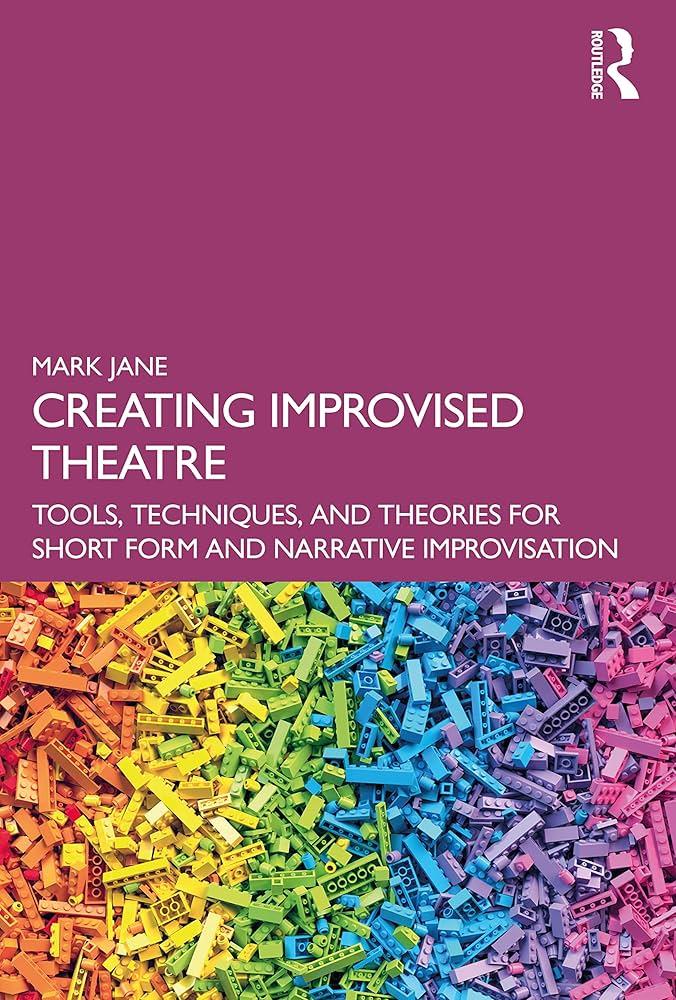
Creating Improvised Theatre
Tools, Techniques, and Theories
Mark Jane

The Applied Improvisation Mindset
Tools for Transforming Individuals, Organizations, and Communities
Theresa Robbins Dudeck; Caitlin McClure

Improv to Improve Your Leadership Team
Tear down Walls and Build Bridges
Candy Campbell
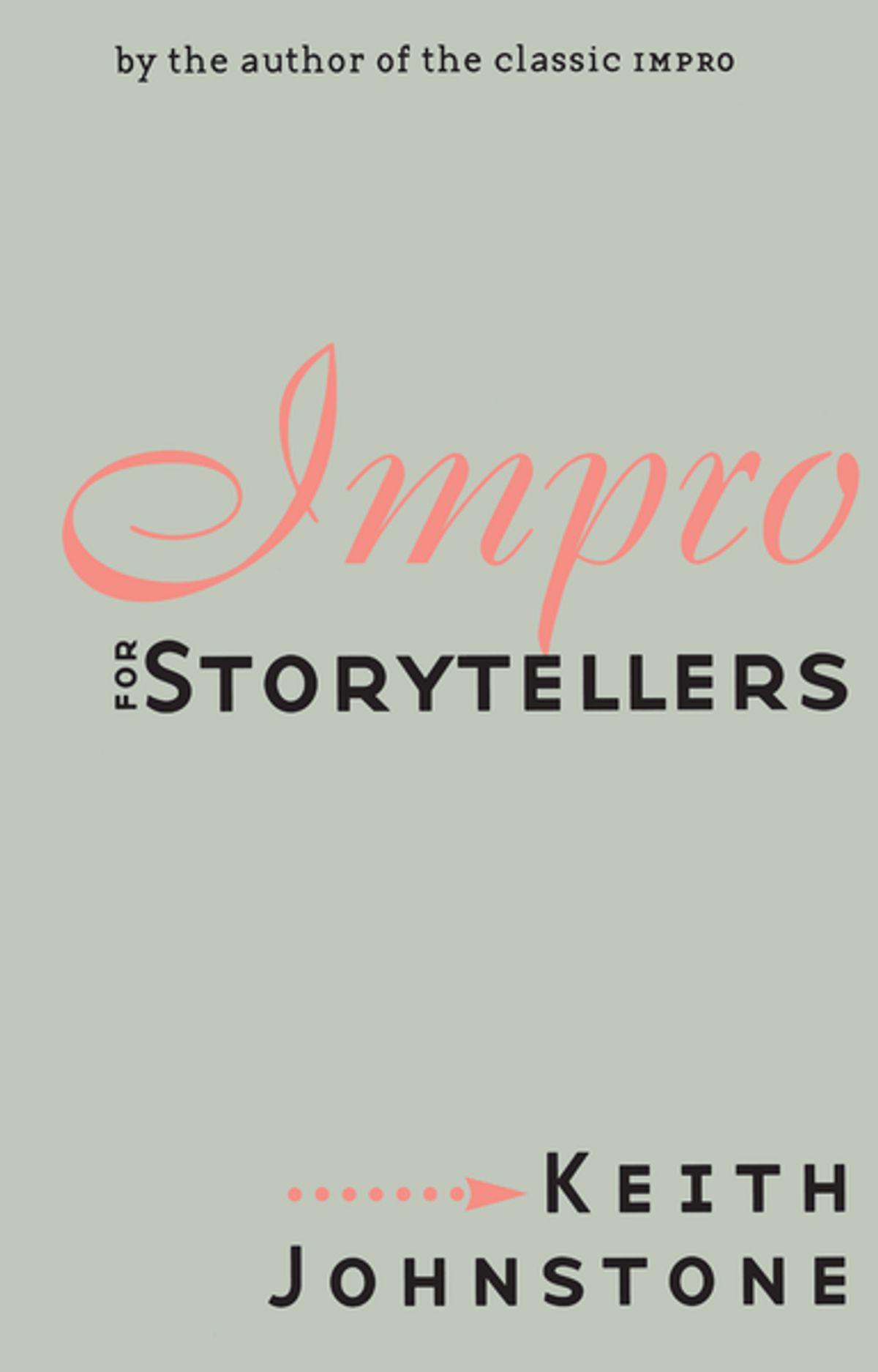
Impro for Storytellers
Keith Johnstone
References
In the Archive
How to Reference This Page
The Improv Archive. (2026). Kenn Adams. Retrieved September 28, 2026, from https://improvarchive.org/people/kenn-adams
The Improv Archive. "Kenn Adams." The Improv Archive, 2026. https://improvarchive.org/people/kenn-adams.
The Improv Archive. "Kenn Adams." The Improv Archive, 2026, https://improvarchive.org/people/kenn-adams. Accessed September 28, 2026.
The Improv Archive is a systemically maintained repository. The archive itself acts as the corporate author.