Animalistics
Animalistics is a physicality exercise in which players explore movement by gradually transforming from a human into an assigned animal. The transition demands attention to weight, tempo, posture, and impulse. The exercise frees performers from habitual movement and builds a vocabulary of physical expression.
Structure
Setup
- Players begin standing in a neutral position, fully human.
- The facilitator guides a transformation: players gradually shift toward a specific animal, building the transformation incrementally.
- The exercise can be run in silence, with movement, or with vocal expression added once the physical transformation is established.
The Transformation Process
- Begin with posture: how does the spine change? Does the head lower or raise? Does the body become more horizontal?
- Move to weight distribution: how does the animal carry its weight? Where does the center of gravity shift?
- Add locomotion: how does the animal move through space? At what speed, with what impulse pattern?
- Add impulse: what captures the animal's attention? What does it react to? What does it want?
- Finally, add vocal quality: what sounds does this body make? Without literal animal imitation.
What It Trains
- The exercise frees performers from habitual, everyday movement patterns.
- It develops a physical vocabulary beyond the performer's own body type and habits.
- The transformation builds the ability to commit to a physical life without self-consciousness.
Variations
- Performers cycle through several animals in sequence, practicing rapid physical transformation.
- The animal transformation is partially maintained as a character walks back into human social behavior, creating hybrid physicality.
How to Teach It
How to Explain It
"You are going to slowly become a [animal]. Don't decide what a [animal] looks like. Feel your way into it. Start with your spine. Then your weight. Then how you move. Last thing, the sounds. Take your time. Let the body lead."
Common Notes
- Performers who decide intellectually what the animal looks like before moving produce imitation rather than transformation. The physical exploration should come before conscious characterization.
- Sound should arrive organically from the physical state, not be imposed on it. The sound of a body that has fully committed to an animal's movement quality is more interesting than a performed animal noise.
- Allow adequate time in each stage of the transformation. Rushing through produces surface-level results.
Common Pitfalls
- Performers parody the animal rather than finding it: exaggerated gestures that represent the animal conceptually without embodying it physically.
- The exercise becomes about accuracy to the real animal rather than about physical range for the performer. The goal is what the animal does to the performer's body, not zoological correctness.
- Performers lose commitment when moving through space, reverting to their normal walk. The animal quality must survive locomotion.
Worth Reading
See all books →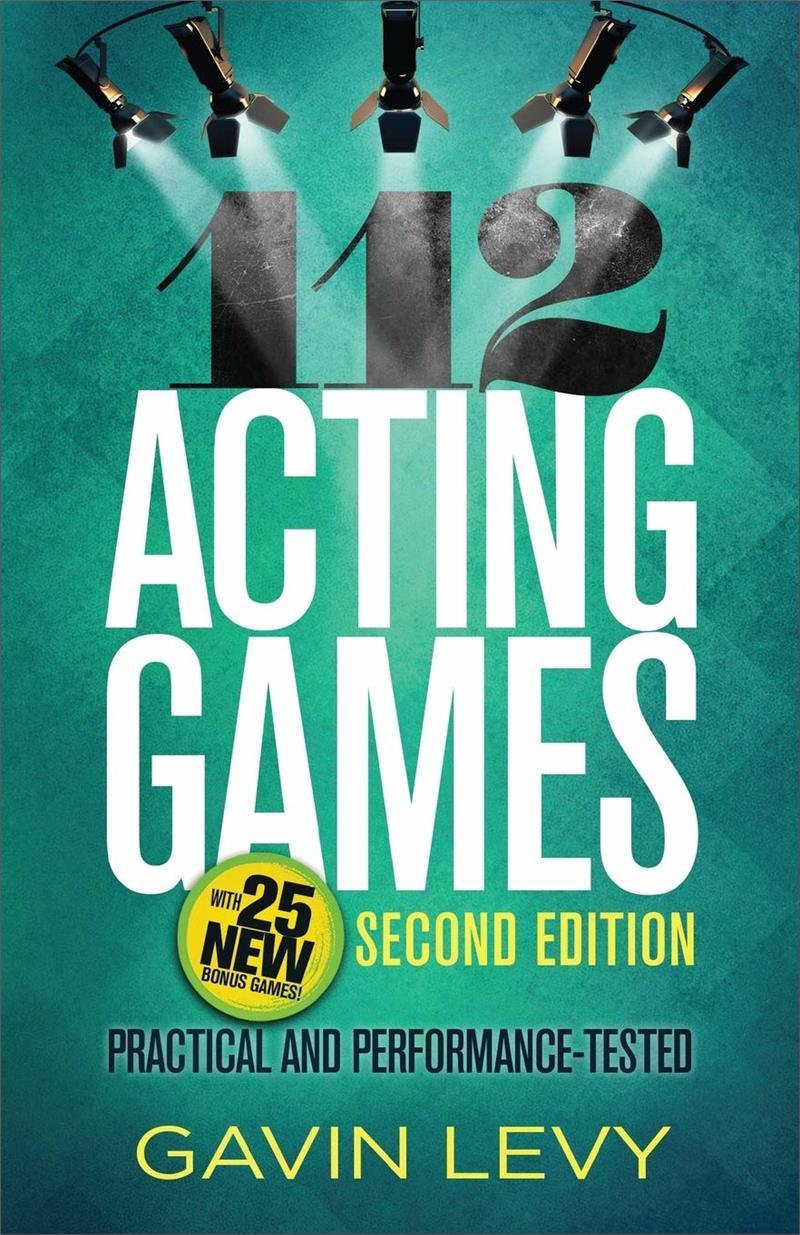
112 Acting Games
Gavin Levy

Theatrical Improvisation, Consciousness, and Cognition
Clayton D. Drinko
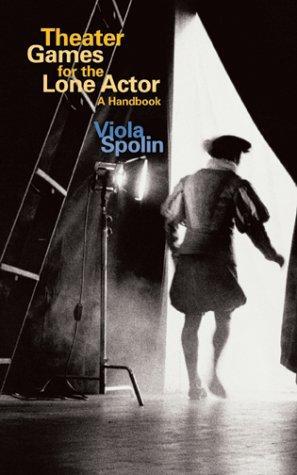
Theater Games for the Lone Actor
Viola Spolin

Embodied Playwriting
Improv and Acting Exercises for Writing
Hillary Haft Bucs; Charissa Menefee
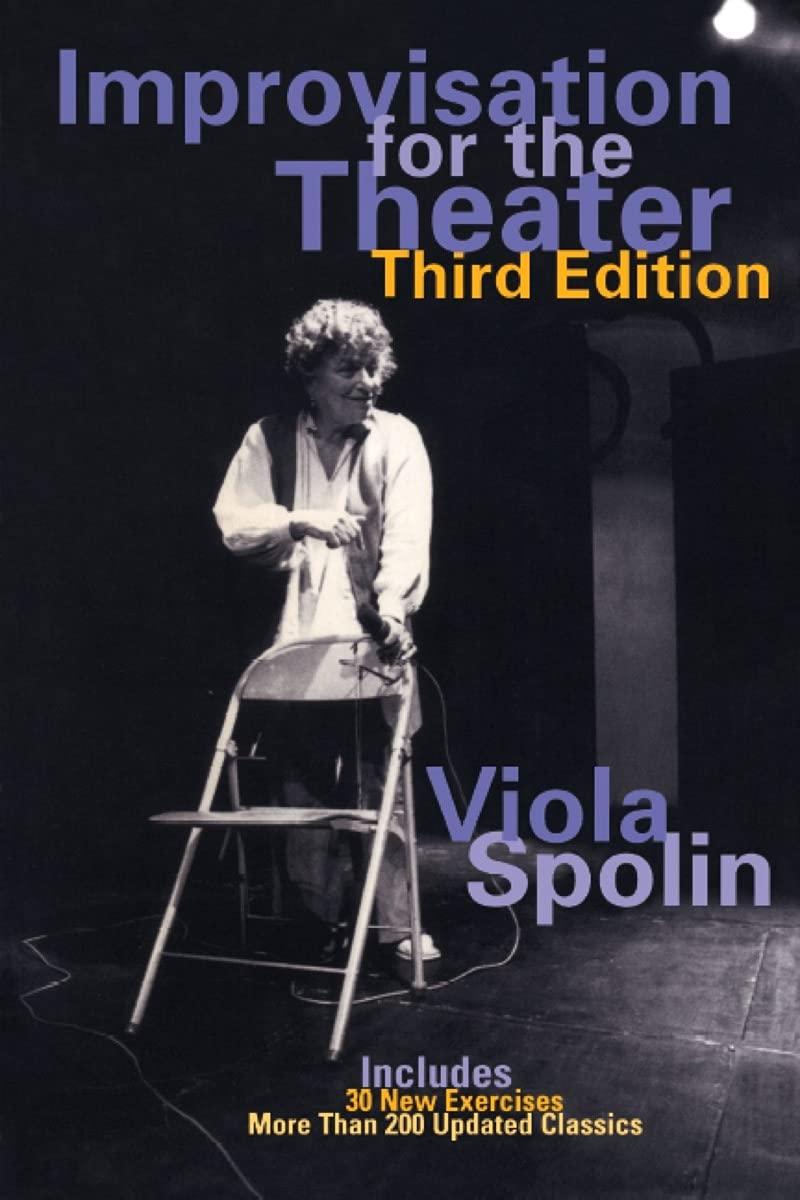
Improvisation for the Theater
A Handbook of Teaching and Directing Techniques
Viola Spolin

Action Theater
The Improvisation of Presence
Ruth Zaporah
Related Exercises
Animals
Animals is a physical transformation exercise in which players move through the space embodying different animals called out by a facilitator or chosen by the participants. Each new animal demands a complete shift in physicality, tempo, weight, rhythm, and energy. Players explore how different creatures occupy space, move, breathe, and interact, using the animal as a gateway to expanded physical vocabulary and heightened commitment to transformation. The exercise appears across multiple performance traditions, from Augusto Boal's Games for Actors and Non-Actors to Seraphin Eldredge's mask improvisation work, and is a foundational component of both actor training and improv pedagogy. Animals develops range of physical expression, spatial awareness, and the ability to commit fully to a physical choice without self-consciousness.
Animal Farm
Animal Farm is a physicality exercise in which each player adopts the movement, sounds, and behavioral patterns of a specific animal. Players explore the full range of an animal's physicality, then interact with other animals in the space, building character embodiment and ensemble responsiveness.
Mimic
Mimic is an exercise in which one player closely copies the movements, vocal patterns, or behavior of another. The imitating player must observe precisely and reproduce physical details without exaggeration or commentary. The exercise sharpens observation skills and teaches performers how closely physical behavior communicates character.
Imitate
Imitate is an observation exercise in which players study and reproduce the specific physical mannerisms, vocal patterns, and behavioral habits of another person in the group. The exercise sharpens observational detail and builds the ability to embody external characteristics with precision. Close observation reveals how much personality is communicated through small, habitual movements: the way someone shifts weight, the rhythm of their speech, the angle of their head when listening. Imitate develops the skill set needed for character work grounded in real-world observation rather than invention.
Animal Understudy
Animal Understudy is a scene game in which performers play a scene using the physicality and vocal qualities of assigned animals while maintaining human characters and dialogue. The animal influence colors every choice without replacing the scene's content. The game produces unexpected character work and physical comedy.
Barney
Barney is an energy and movement warm-up exercise in which players adopt an exaggerated, lumbering physical character and interact with the group through simple, playful commands. The exercise asks participants to embody a large, slow, friendly creature (often described as a dinosaur or monster) and move through the space with maximum physical commitment and minimum self-consciousness. The inherent silliness of the character lowers inhibitions quickly, making Barney effective as an early warm-up for groups that are new to physical work or uncomfortable with large physical choices. The exercise builds comfort with exaggerated movement, vocal projection, and the willingness to look ridiculous in front of others, all foundational skills for improv performance.
How to Reference This Page
The Improv Archive. (2026). Animalistics. Retrieved September 28, 2026, from https://improvarchive.org/exercises/animalistics
The Improv Archive. "Animalistics." The Improv Archive, 2026. https://improvarchive.org/exercises/animalistics.
The Improv Archive. "Animalistics." The Improv Archive, 2026, https://improvarchive.org/exercises/animalistics. Accessed September 28, 2026.
The Improv Archive is a systemically maintained repository. The archive itself acts as the corporate author.