Become
Become is a transformation exercise in which players physically and vocally transform into a series of characters, objects, or environments as directed by a facilitator. Each transformation must be immediate and total. The exercise develops range, commitment, and the ability to shed one character completely before inhabiting the next.
Structure
Setup
- Players stand in neutral positions in the playing space.
- The facilitator calls a subject to become: a character type, an object, an environment, a weather system, an abstract concept.
- Players transform immediately and completely.
The Transformation Requirement
- Each transformation must be total. The player is not representing the subject; they are becoming it.
- Physical, vocal, spatial, and energetic elements all transform simultaneously.
- There is no gradual transition: the facilitator calls the subject and the transformation happens.
Range of Subjects
- Character types: a tired bus driver, a nervous CEO, a five-year-old who has just been told they cannot have candy.
- Objects: a pressure cooker, a flag in a storm, a candle burning down.
- Environments: a hot desert at noon, a crowded subway car, a forest just before dawn.
- Abstract states: bureaucracy, grief, anticipation, the moment before an apology.
Between Transformations
- Players return to neutral between subjects.
- The return to neutral is itself practiced: the ability to fully shed one state before entering the next is as important as the transformation.
Variations
- Players remain in one transformation and another player initiates interaction with them, creating a scene.
- Players hold two transformations simultaneously, finding the tension between them.
How to Teach It
How to Explain It
"When I call something, you are it immediately. Not 'kind of it' or 'sort of it.' Completely. Take a breath. Then be what I say. When I call neutral, you are neutral completely. Shed it all. Take a breath. Go again."
Common Notes
- The return to neutral is part of the exercise and should be coached as rigorously as the transformation. A performer who cannot find full neutral has no clean starting point for the next transformation.
- Subjects should vary in kind: some character-based, some physical, some environmental, some abstract. A session that only uses character types does not develop the full range the exercise addresses.
- The facilitator should pause after each transformation to allow players to find the depth of the subject before calling the next one.
Common Pitfalls
- Players arrive at the general category of the subject rather than a specific physical commitment to it. A "tired bus driver" should have a specific quality of tired, a specific physical relationship to the bus, not just a general slouch.
- Players cannot fully shed a transformation and carry residue from the previous subject into the next one.
- The exercise becomes a guessing game or a performance rather than an internal physical practice.
Worth Reading
See all books →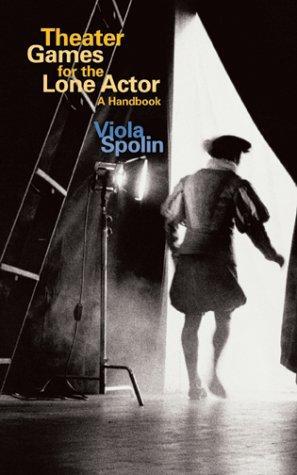
Theater Games for the Lone Actor
Viola Spolin
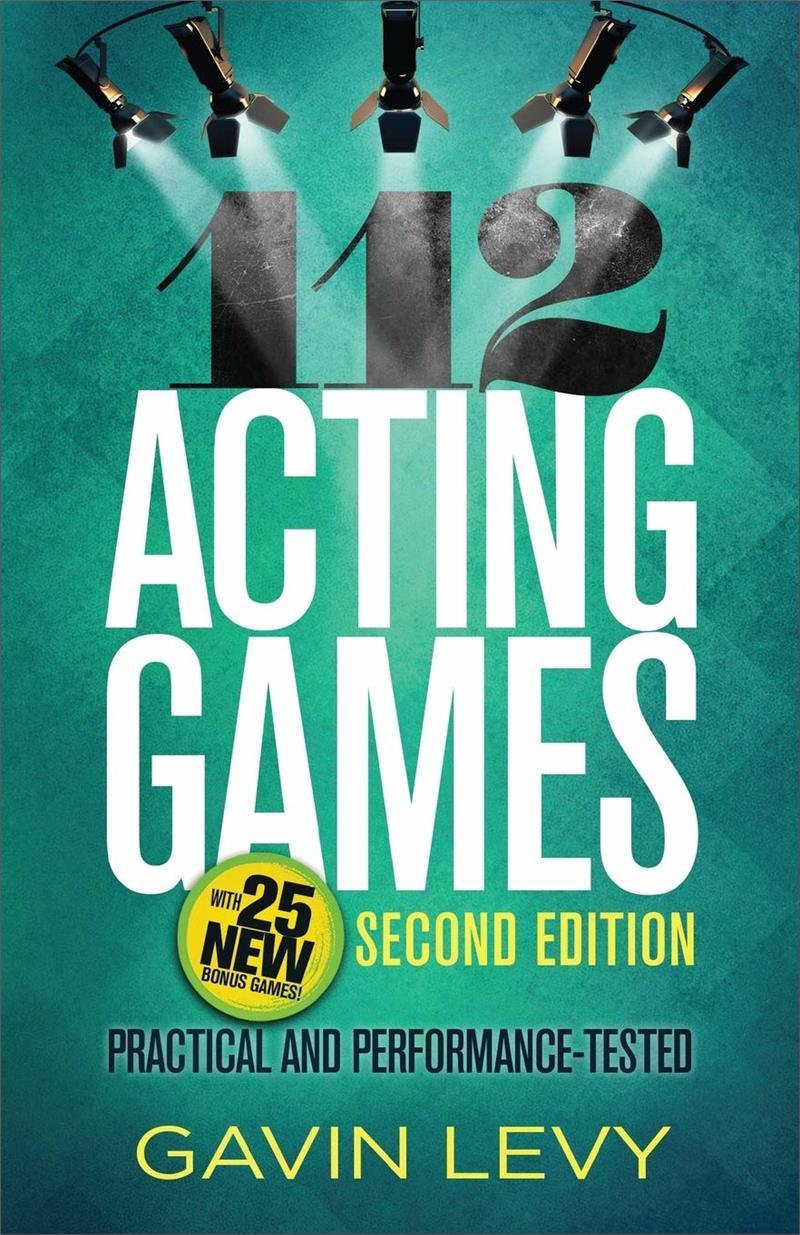
112 Acting Games
Gavin Levy
Theater Games for Rehearsal
Viola Spolin

Drama Games and Improvs
Games for the Classroom and Beyond
Justine Jones; Mary Ann Kelley

Business Improv
Experiential Learning Exercises to Train Employees
Val Gee
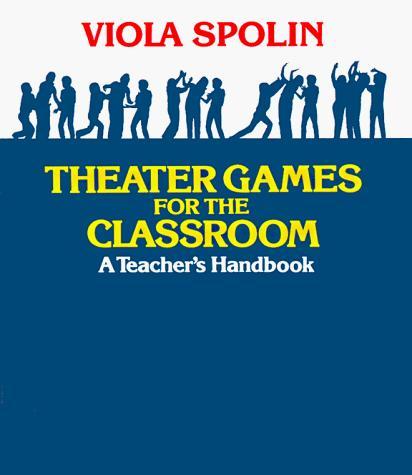
Theater Games for the Classroom
Viola Spolin
Related Exercises
Character Mirror Circle
Character Mirror Circle is an exercise in which players stand in a circle and one player steps to the center, adopting a character through physicality and voice. The rest of the circle mirrors the character as precisely as possible. The exercise sharpens observational skills and teaches performers to read and reproduce physical character details.
Making Faces
Making Faces is a warm-up exercise in which players practice exaggerated facial expressions, cycling through emotions, mirroring a partner, or responding to facilitator prompts. The exercise loosens inhibition around physical expressiveness and helps performers discover how facial choices communicate character and emotion instantly. Many performers rely primarily on voice and words; Making Faces redirects attention to the face as a primary communication instrument. The exercise serves as an accessible entry point for physical comedy work and character creation.
Animals
Animals is a physical transformation exercise in which players move through the space embodying different animals called out by a facilitator or chosen by the participants. Each new animal demands a complete shift in physicality, tempo, weight, rhythm, and energy. Players explore how different creatures occupy space, move, breathe, and interact, using the animal as a gateway to expanded physical vocabulary and heightened commitment to transformation. The exercise appears across multiple performance traditions, from Augusto Boal's Games for Actors and Non-Actors to Seraphin Eldredge's mask improvisation work, and is a foundational component of both actor training and improv pedagogy. Animals develops range of physical expression, spatial awareness, and the ability to commit fully to a physical choice without self-consciousness.
Make a Game
Make a Game is an applied improv exercise in which participants practice identifying the repeatable element in an emerging scene or group interaction and deliberately heightening and playing that element as the scene's game. Drawn from short-form improv theory and applied to collaborative contexts, the exercise trains the ability to recognize what is unusual, specific, or interesting in a moment and consciously develop it into a playable pattern that gives the interaction structure and shared direction.
Barney
Barney is an energy and movement warm-up exercise in which players adopt an exaggerated, lumbering physical character and interact with the group through simple, playful commands. The exercise asks participants to embody a large, slow, friendly creature (often described as a dinosaur or monster) and move through the space with maximum physical commitment and minimum self-consciousness. The inherent silliness of the character lowers inhibitions quickly, making Barney effective as an early warm-up for groups that are new to physical work or uncomfortable with large physical choices. The exercise builds comfort with exaggerated movement, vocal projection, and the willingness to look ridiculous in front of others, all foundational skills for improv performance.
As You Will
As You Will is a character immersion exercise in which actors spend an extended period inhabiting their characters in an unstructured social environment. As documented by Gavin Levy in 112 Acting Games, players arrive already in character and interact freely with each other for twenty to sixty minutes without any scripted dialogue, predetermined blocking, or audience. The exercise strips away the technical demands of performance (projection, line learning, blocking) and replaces them with pure character exploration and responsive interaction. By removing the pressure of performance, As You Will allows actors to discover new dimensions of their characters through spontaneous encounter. The exercise is primarily used in conjunction with a scripted production, where it serves as a rehearsal tool for deepening character work and ensemble connection.
How to Reference This Page
The Improv Archive. (2026). Become. Retrieved September 28, 2026, from https://improvarchive.org/exercises/become
The Improv Archive. "Become." The Improv Archive, 2026. https://improvarchive.org/exercises/become.
The Improv Archive. "Become." The Improv Archive, 2026, https://improvarchive.org/exercises/become. Accessed September 28, 2026.
The Improv Archive is a systemically maintained repository. The archive itself acts as the corporate author.