Environment Build One by One
Environment Build One by One is a space work exercise in which players enter a shared space sequentially, each adding a single mimed object or physical action to the environment. Each new player must accept and work around all previously established objects, building a coherent shared physical world through accumulated offers. The exercise develops object work discipline, spatial awareness, and the collaborative skill of building on what is already there.
Structure
Setup
An open playing space is designated as the environment. All players begin outside it. No set, props, or discussion of location takes place before the exercise begins.
Progression
The first player enters the space and establishes one clear physical object or action through mime. They might sit on a chair, operate a piece of machinery, or engage with an element of a room -- the object should be specific and repeatable enough that subsequent players can reference it.
The second player enters, acknowledges the established environment by relating to the first player's object, and adds one new element. The third player enters, engages with what exists, and adds another layer.
This continues until all players have entered and the environment is fully populated. Players who are already in the space continue to inhabit and use existing objects as new layers are added.
Conclusion
Once all players are inside and the environment is established, the facilitator may either end the exercise or allow it to develop into a free scene. The coach stops after the build phase to debrief what was established and how clearly it read.
How to Teach It
Objectives
Environment Build One by One trains physical specificity in object work, the willingness to accept and build on a partner's offers, and the collaborative construction of a shared physical reality without negotiation or verbal coordination.
How to Explain It
"You're each adding one piece to the same room. You don't know what the room is before you start -- the room becomes itself as you all build it. Commit to your object completely and leave space for the next person to add theirs."
Scaffolding
In early rounds, allow players to establish the location verbally before beginning the build. This gives everyone a shared reference point. As the ensemble develops, run the exercise without any verbal framing -- the location must emerge from the physical choices alone.
Common Pitfalls
Players often add objects that conflict with what was established before them because they did not watch carefully enough. The coaching note is to observe before entering -- watch what already exists and find a place for the new object within the established space, not on top of it. A second chair placed where the first chair already stands reads as physical incoherence, not creative addition.
Worth Reading
See all books →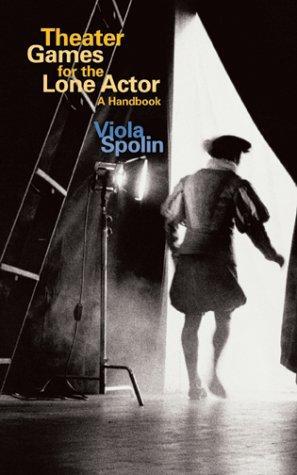
Theater Games for the Lone Actor
Viola Spolin
Theater Games for Rehearsal
Viola Spolin

Business Improv
Experiential Learning Exercises to Train Employees
Val Gee
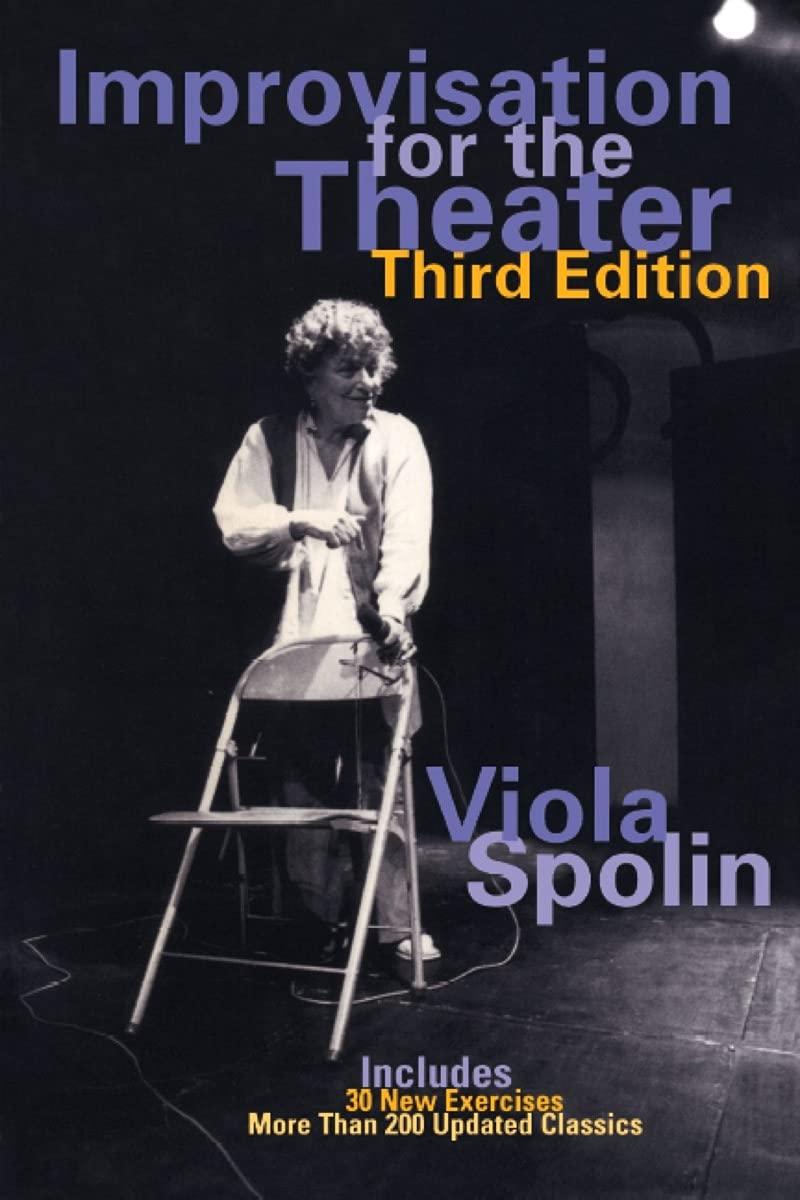
Improvisation for the Theater
A Handbook of Teaching and Directing Techniques
Viola Spolin

Playing Along
37 Group Learning Activities Borrowed from Improvisational Theater
Izzy Gesell

Group Improvisation
The Manual of Ensemble Improv Games
Peter Campbell Gwinn; Charna Halpern
Related Exercises
Create Your Environment
Create Your Environment is an applied improvisation exercise in which participants use mime and physical specificity to build their ideal work environment one object at a time. After placing objects in the space, participants inhabit the environment through movement and character rather than description, demonstrating what the space enables them to feel and do. The exercise develops physical expressiveness, creative self-expression, and the ability to communicate through embodied action rather than verbal explanation.
Location
Location is the archive label for foundational exercises that train players to establish where a scene takes place through physical behavior, object work, and spatial detail. Across the confirmed source base, the core demand stays consistent: the audience should understand the setting from what the players do in the space, not from a quick verbal label. The exercise develops environmental clarity, specificity, and the habit of treating the setting as an active part of the scene.
One Line at a Time
One Line at a Time is an applied improvisation exercise in which a group constructs a story, plan, or document collaboratively, with each participant contributing exactly one line before passing to the next person. The strict rotation ensures equal participation, prevents any single voice from dominating, and trains the group to build coherently on each other's contributions rather than steering toward individual agendas.
Building Blocks Brainstorm
Unlike traditional brainstorming, this exercise focuses on a single idea and has the group build on it iteratively, brick by brick, until a complete concept emerges.
One-Word Sentence
One Word Sentence is an applied improvisation exercise in which a group constructs sentences collaboratively, with each participant contributing exactly one word at a time. The exercise trains deep listening, the ability to release individual control over direction, and the practice of building shared meaning one unit at a time.
Activity Starter
Activity Starter is a group exercise in which one player begins a physical activity and other players gradually enter to mirror or extend it. The exercise builds ensemble attunement and physical awareness by requiring players to read and respond to a shared movement rather than a verbal cue.
The Lineage
Explore the schools and structures that influenced or evolved from Environment Build One by One.
Improvisation for the Theater (Spolin)
How to Reference This Page
The Improv Archive. (2026). Environment Build One by One. Retrieved September 28, 2026, from https://improvarchive.org/exercises/environment-build-one-by-one
The Improv Archive. "Environment Build One by One." The Improv Archive, 2026. https://improvarchive.org/exercises/environment-build-one-by-one.
The Improv Archive. "Environment Build One by One." The Improv Archive, 2026, https://improvarchive.org/exercises/environment-build-one-by-one. Accessed September 28, 2026.
The Improv Archive is a systemically maintained repository. The archive itself acts as the corporate author.