Two Players -- One Voice
Two Players One Voice is an applied exercise in which two participants speak simultaneously as a single character, committing to matching word choices, rhythm, and volume in real time, training deep listening, surrender of individual agenda, and the construction of shared voice.
Structure
The Setup
Two participants stand together facing the group or a scene partner. They will speak as one character in unison.
The Unison
Both participants speak at the same time, attempting to match each other as closely as possible. Neither leads; both listen and adjust continuously. The goal is a single audible voice, not two voices happening to say the same thing.
The Scene
The unified character may interact with a facilitator, answer questions, or engage in a short scene. The exercise ends when the voice has become cohesive enough to demonstrate the principle.
How to Teach It
Objectives
Two Players One Voice trains participants to abandon personal agenda in service of a shared output. The natural impulse is to slow down and wait to hear the partner, but that strategy produces lag and silence. The exercise requires simultaneous commitment.
Facilitation Notes
Observers typically hear the moment when the voice clicks into coherence. That moment is worth naming explicitly so participants can identify what it felt like from the inside.
Common Pitfalls
One participant dominates and the other follows, producing a leader-follower dynamic rather than true unison. The dominant participant should be coached to listen more aggressively.
In Applied Settings
Communication and Leadership Training
Two Players One Voice is used to demonstrate co-authorship: what it takes to produce shared output when no one is designated the authority. The exercise makes visible the effort required for genuine collaboration.
Conflict Resolution and Team Dynamics
Facilitators use the exercise in team development contexts to explore what happens when two people must speak as one, surfacing tendencies to dominate or defer that are harder to observe in ordinary conversation.
Presentation Skills
Teams preparing joint presentations use the exercise to develop shared framing and rhythm before dividing content.
Worth Reading
See all books →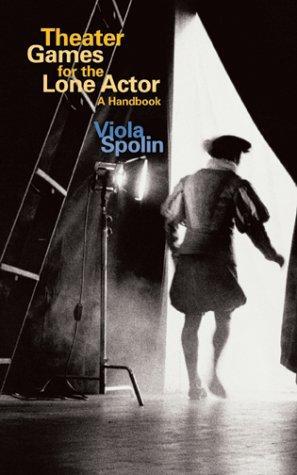
Theater Games for the Lone Actor
Viola Spolin
Theater Games for Rehearsal
Viola Spolin

Business Improv
Experiential Learning Exercises to Train Employees
Val Gee
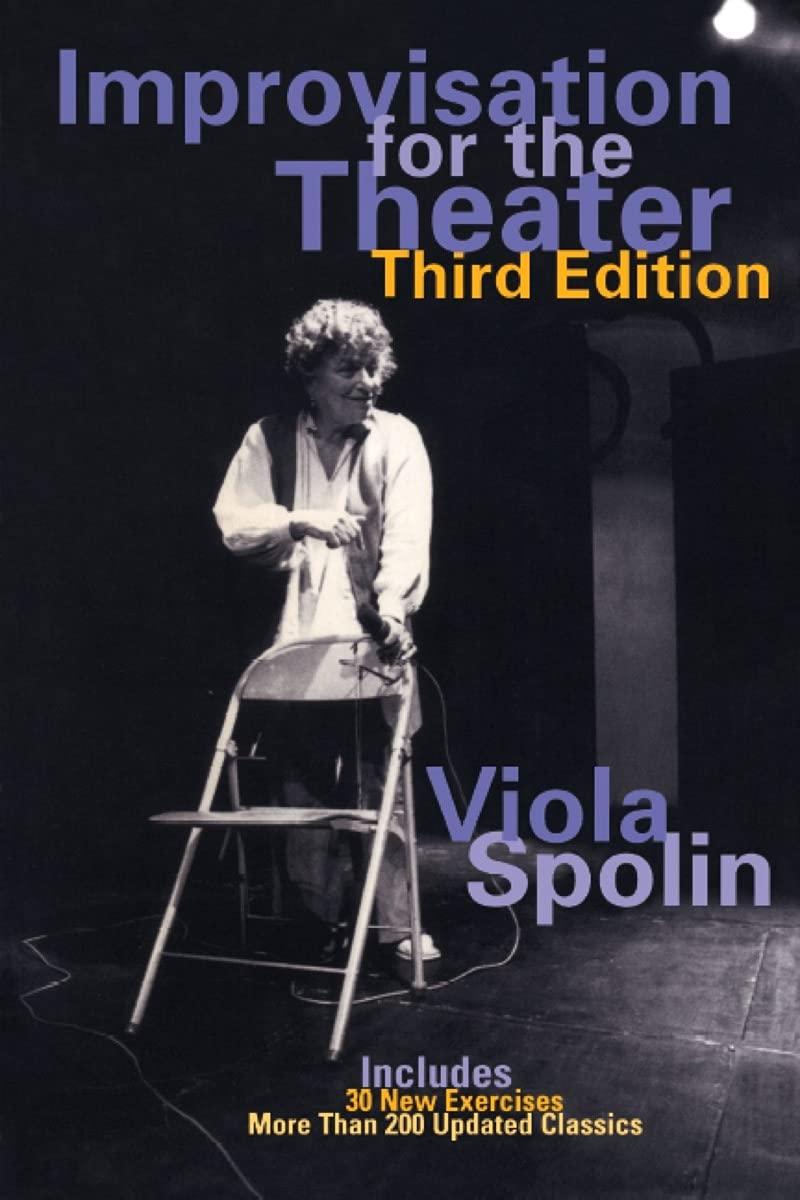
Improvisation for the Theater
A Handbook of Teaching and Directing Techniques
Viola Spolin

Playing Along
37 Group Learning Activities Borrowed from Improvisational Theater
Izzy Gesell

Group Improvisation
The Manual of Ensemble Improv Games
Peter Campbell Gwinn; Charna Halpern
Related Exercises
One Voice
One Voice is a game and exercise in which two or more performers speak simultaneously, attempting to produce the same words at the same time without prior coordination. The group must listen intently and follow collective impulses rather than individual intention, producing coherent shared speech as a single entity. The game develops group mind, deep listening, and the capacity to surrender individual control to collective will.
One Voice Expert
One Voice Expert is an applied improvisation exercise in which two or more participants stand side by side and speak simultaneously as a single expert, answering audience questions or delivering a presentation as if they are one person with one voice. The exercise demands extreme listening, mutual agreement in real time, and the willingness to follow a partner's lead word by word.
Two-Headed Expert
Two-Headed Expert is an applied exercise in which two participants stand side by side and speak alternately, one word or phrase at a time, together constituting a single expert answering questions from the group. The exercise trains collaborative language, listening under pressure, and committing to a shared idea regardless of its direction.
One Line Scene
One Line Scene is a scene-building exercise in which two or more performers create a complete scene using only one line of dialogue each. The constraint forces performers to make every word count, to communicate volumes through subtext, physicality, and relationship, and to find the essence of a scene without the luxury of extended dialogue.
One-Word Sentence
One Word Sentence is an applied improvisation exercise in which a group constructs sentences collaboratively, with each participant contributing exactly one word at a time. The exercise trains deep listening, the ability to release individual control over direction, and the practice of building shared meaning one unit at a time.
Communal Monologue
Communal Monologue is an exercise in which multiple performers deliver a single monologue together, trading off mid-sentence or mid-thought without any performer beginning a new idea. Each speaker must continue seamlessly from where the last one stopped, maintaining the same voice, tone, and thought. The exercise trains verbal listening, agreement, and the construction of a collective voice.
The Lineage
Explore the schools and structures that influenced or evolved from Two Players -- One Voice.
Improv Yourself (Joseph A. Keefe)
How to Reference This Page
The Improv Archive. (2026). Two Players -- One Voice. Retrieved September 28, 2026, from https://improvarchive.org/exercises/two-players-one-voice
The Improv Archive. "Two Players -- One Voice." The Improv Archive, 2026. https://improvarchive.org/exercises/two-players-one-voice.
The Improv Archive. "Two Players -- One Voice." The Improv Archive, 2026, https://improvarchive.org/exercises/two-players-one-voice. Accessed September 28, 2026.
The Improv Archive is a systemically maintained repository. The archive itself acts as the corporate author.