Leave Me Alone
Leave Alone is a scene exercise in which one character attempts to disengage from a conversation or situation while the other refuses to let them go. The exercise explores the dynamics of pursuit and withdrawal, training performers to play both sides of the power struggle with equal commitment. The pursuing character must find increasingly compelling reasons to stay engaged. The withdrawing character must maintain a strong, specific reason for wanting to leave. The exercise builds the ability to sustain a clear objective in the face of resistance and demonstrates how conflicting wants drive scenes forward.
Structure
Two performers take the stage. The facilitator assigns roles: one performer wants to leave (the withdrawer), and the other wants to keep them in the conversation (the pursuer). Both performers receive a specific reason for their objective: the withdrawer needs to catch a flight, the pursuer needs to deliver important news.
The scene begins with the pursuer engaging the withdrawer. The withdrawer makes increasingly direct attempts to end the conversation and leave. The pursuer finds increasingly creative reasons to keep the withdrawer present. The scene builds through the escalation of tactics on both sides.
The exercise's dramatic engine is the specificity of each character's want. A withdrawer who wants to leave "because" is less compelling than one who needs to reach the hospital before visiting hours end. A pursuer who wants to talk is less compelling than one who must confess something before the withdrawer walks out the door.
The scene reaches its peak when one objective finally overwhelms the other: the withdrawer breaks free, or the pursuer's reason to stay proves irresistible. The resolution reveals which objective carried more weight.
Variations include switching roles mid-scene (the pursuer suddenly wants to leave and the withdrawer suddenly needs to stay), group pursuit (multiple performers try to keep one person from leaving), and silent version (the pursuit and withdrawal are communicated entirely through physical positioning and movement).
How to Teach It
How to Explain It
"One player wants to leave. The other player is preventing it, not necessarily with malice, just with need. The scene is about that tension: the person who wants to go and the person who cannot let them. Play it honestly."
The exercise teaches the principle that scenes are driven by what characters want. Two characters with clear, opposing objectives create instant dramatic tension without the need for clever premises or unusual situations. A person who wants to leave and a person who wants them to stay is enough to sustain a compelling scene.
Coach both performers to escalate their tactics rather than repeating them. A withdrawer who says "let go of the topic" five times in different tones is not escalating. A withdrawer who first tries to change the subject, then physically moves toward the door, then reveals why leaving is urgent has escalated through increasingly desperate tactics. The same principle applies to the pursuer.
The most common failure is performers losing specificity in their objectives. A withdrawer who forgets their reason for leaving becomes passive rather than active. A pursuer who forgets their reason for staying becomes annoying rather than compelling. Coach performers to keep their objective in mind at every moment.
The exercise connects to the fundamental scene work principle that characters should want something. Scenes in which neither character has a clear objective drift. Scenes in which both characters want something specific move.
Worth Reading
See all books →
Acting Through Improv
Improv Through Theatresports
Lynda Belt; Rebecca Stockley
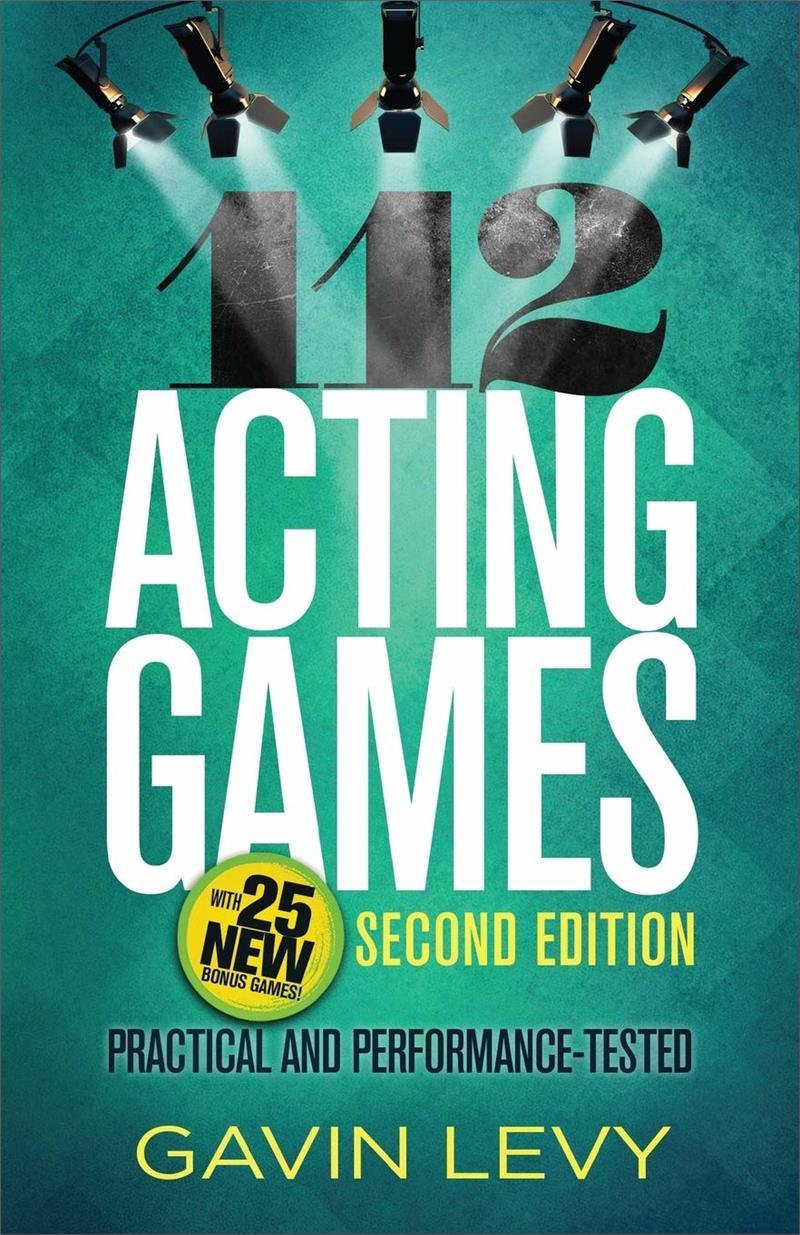
112 Acting Games
Gavin Levy
Improvise
Scene from the Inside Out
Mick Napier
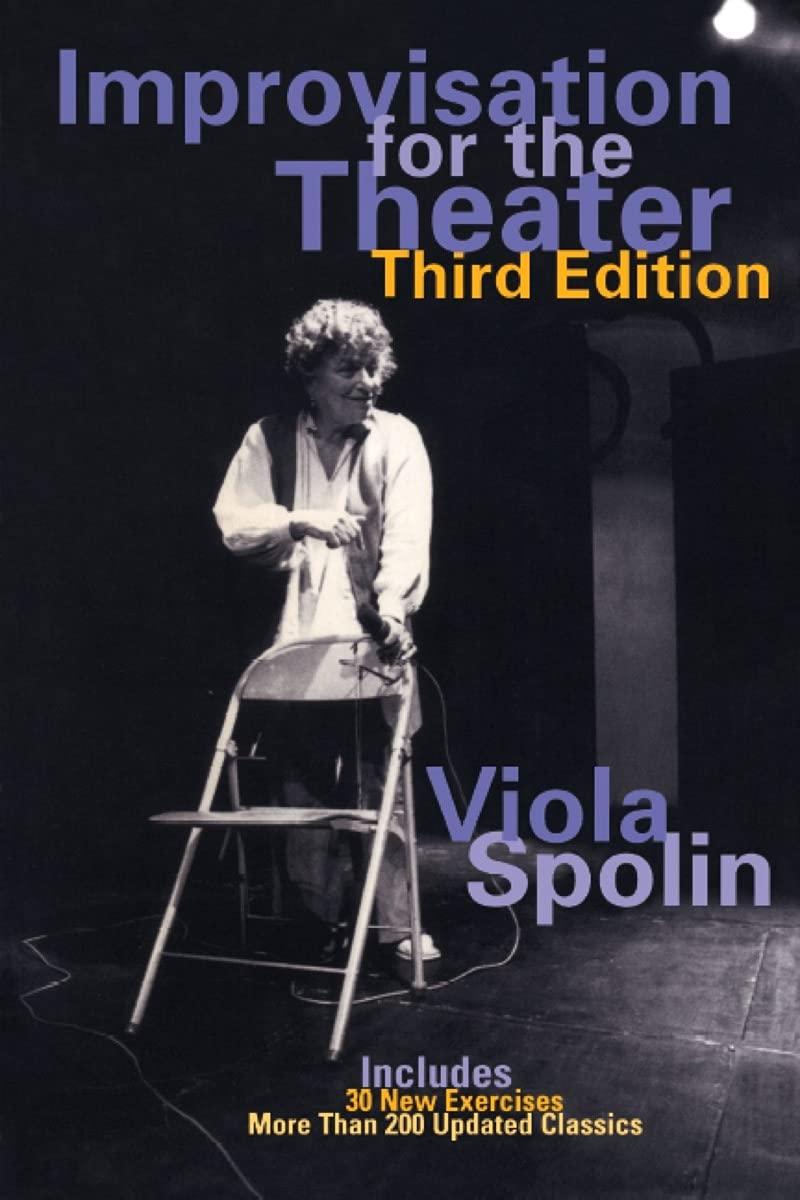
Improvisation for the Theater
A Handbook of Teaching and Directing Techniques
Viola Spolin
Theater Games for the Lone Actor
Viola Spolin
Theater Games for Rehearsal
Viola Spolin
Related Exercises
Leave for a Reason
Leave for a Reason is a scene-work exercise in which performers practice exiting a scene with a clear, character-driven motivation rather than leaving arbitrarily, being edited out by a director, or simply running out of things to say. The exercise trains performers to give every exit an active reason grounded in the world of the scene -- a destination, an impulse, an emotional necessity -- rather than treating exits as neutral or mechanical transitions.
Count Off
Count Off is a group focus exercise in which players attempt to count to a target number, one person speaking at a time, without any predetermined order or pattern. If two or more players speak simultaneously, the count restarts from one. No gestures, signals, or eye contact are permitted to coordinate turns. The exercise trains group sensitivity, the ability to read collective impulse, and the patience to find the right moment to contribute. Count Off reveals the ensemble's current level of attunement: a group that can consistently reach high numbers has developed a shared awareness that transfers directly to scene work.
Give and Take
Give and Take is a foundational scene technique and exercise in which performers practice transferring and sharing focus within a scene. Only one action, conversation, or event holds the audience's attention at a time, and performers must silently negotiate who has focus and who yields it. The exercise trains the essential ensemble skill of knowing when to step forward and when to step back, making it one of the most important exercises for developing group awareness. Give and Take is used in both theatrical improv and applied improvisation settings, where it teaches collaborative turn-taking and active listening.
Character Monologue
Character Monologue is an exercise in which a performer delivers an extended solo speech in character, speaking directly to the audience or to the ensemble. The sustained solo performance builds stamina, character depth, and the ability to hold attention without scene support from other players. Character Monologue develops the skill of generating detailed, specific character voices and perspectives under the pressure of uninterrupted stage time. The exercise serves as a core training tool for monologue-based long-form formats such as The Armando, where monologues function as the engine that generates scene material for the rest of the ensemble.
Asides
Asides is a scene technique game in which performers periodically break from the action to address the audience directly with their character's private thoughts. Borrowed from theatrical convention dating back to Shakespeare and the Restoration comedy tradition, the aside allows a character to reveal inner monologue, secret motives, or contradictory feelings while other characters on stage cannot hear what is said. In improv, the technique layers subtext over surface dialogue, creating dramatic irony and comedy through the gap between what characters say to each other and what they confide to the audience. The game trains performers to maintain dual awareness of both the scene and the audience, and to develop rich inner lives for their characters that extend beyond spoken dialogue.
The Lineage
Explore the schools and structures that influenced or evolved from Leave Me Alone.
112 Acting Games (Levy)
How to Reference This Page
The Improv Archive. (2026). Leave Me Alone. Retrieved September 28, 2026, from https://improvarchive.org/exercises/leave-me-alone
The Improv Archive. "Leave Me Alone." The Improv Archive, 2026. https://improvarchive.org/exercises/leave-me-alone.
The Improv Archive. "Leave Me Alone." The Improv Archive, 2026, https://improvarchive.org/exercises/leave-me-alone. Accessed September 28, 2026.
The Improv Archive is a systemically maintained repository. The archive itself acts as the corporate author.