Open Offer
Open Offer is a scene-starting exercise in which one performer enters the space and makes a clear, specific opening offer -- a line of dialogue, a physical action, or an emotional state -- that establishes a strong starting point for their scene partner to build on. The exercise trains the ability to begin scenes with purpose and generosity rather than caution or ambiguity.
Structure
Setup
Two performers stand ready. One is designated as the initiator. The facilitator may assign a suggestion or let the initiator begin from nothing. The initiator's task is to make a single clear offer that gives their partner something concrete to respond to.
Progression
The initiator enters the space and delivers their open offer: a line that establishes who they are, where they are, what they want, or how they feel. The offer should be specific enough that the partner can immediately respond with a strong choice of their own. Examples of strong open offers: entering with a physicalized emotion, beginning an activity that defines a location, or making a statement that reveals a relationship.
Once the open offer is made, the scene continues as a normal two-person scene. After one to two minutes, the facilitator stops the scene and a new pair runs with a new open offer.
Conclusion
The exercise continues until every participant has practiced making at least one open offer. A debrief follows, examining which offers gave the partner the most to work with and what made them effective.
How to Teach It
Objectives
Open Offer trains the skill of initiating scenes with clarity and generosity. Many improvisers begin scenes vaguely, waiting for their partner to commit first. This exercise requires them to be the one who commits, and to do so in a way that serves the ensemble.
How to Explain It
"You are going to start a scene with one clear offer. That offer should tell your partner something they can use: who you are, where you are, what you want, or how you feel. Your partner should be able to respond immediately without having to ask what is going on."
Scaffolding
Begin by having participants brainstorm strong opening lines before performing, then run the exercise with those prepared openings. Once the group is comfortable with the concept of a strong open offer, remove the preparation and have them generate offers spontaneously. Advanced groups can practice open offers that are purely physical -- no dialogue -- which forces them to communicate through body and behavior.
Common Pitfalls
The most common weak offer is a question: "Hi, what are you doing?" which places all the creative burden on the partner. Coach participants toward statements, actions, and emotions rather than questions. A second pitfall is offers that are too clever or abstract -- a strong open offer is simple and specific, not a puzzle for the partner to solve.
Worth Reading
See all books →
Improvisation Starters
A Collection of 900 Improvisation Situations for the Theater
Philip Bernardi
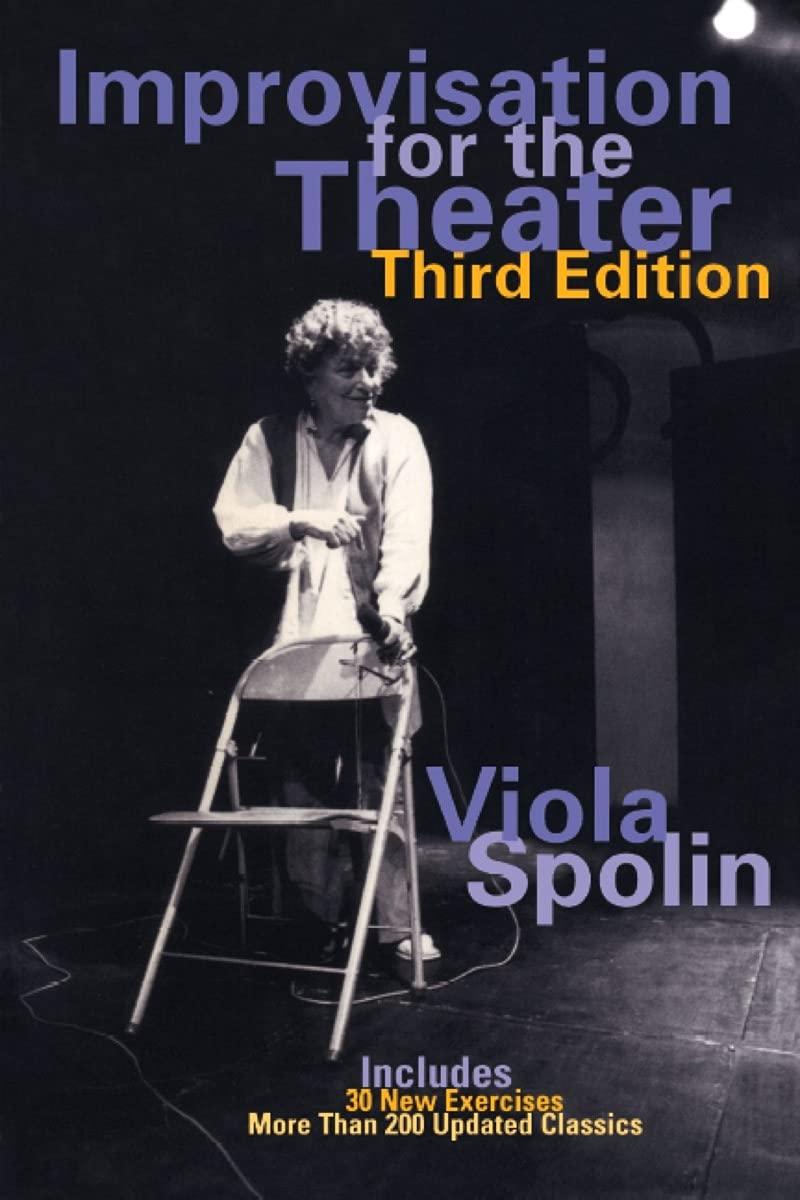
Improvisation for the Theater
A Handbook of Teaching and Directing Techniques
Viola Spolin
The Improvisation Game
Discovering the Secrets of Spontaneous Performance
Chris Johnston
Improvise
Scene from the Inside Out
Mick Napier
Theater Games for the Lone Actor
Viola Spolin

The 5 Elements of Improv
How to Take Your Improv to the Next Level
Andrew M. Spragge; Karen L. Eichler
Related Exercises
Blind Line Offers
Blind Line Offers is a scene exercise in which performers receive random written lines from slips of paper and must incorporate each one seamlessly into the scene as it unfolds. The unexpected text forces players to justify and connect disparate material in real time. The exercise trains adaptability and the skill of making any offer work.
Agreement Scenes
Agreement Scenes is an exercise in which performers practice fully agreeing with every offer their scene partner makes. By removing all conflict and negation, the exercise reveals how scenes can build through mutual enthusiasm and escalating shared reality. It reinforces the "yes, and" principle at its most fundamental level.
Open Improv Scenes
Open Improv Scenes is an applied improvisation exercise in which participants perform unscripted scenes drawn from workplace or professional scenarios, using improv principles to navigate realistic situations they encounter in their jobs. Unlike traditional improv scenes that prioritize entertainment, Open Improv Scenes prioritizes transfer -- the scenes serve as behavioral rehearsals for real professional interactions.
I Know
I Know is a scene-building exercise in which performers respond to every offer with the two-word affirmation that names the game, followed by an addition that expands the shared reality. The response functions as an amplified form of yes-and: it validates the partner's offer, implies pre-existing shared knowledge, and propels the scene forward through rapid mutual agreement. The exercise prevents denial and forces each player to build on their partner's contributions without hesitation, creating scenes that accumulate detail and emotional weight at speed.
Give and Take
Give and Take is a foundational scene technique and exercise in which performers practice transferring and sharing focus within a scene. Only one action, conversation, or event holds the audience's attention at a time, and performers must silently negotiate who has focus and who yields it. The exercise trains the essential ensemble skill of knowing when to step forward and when to step back, making it one of the most important exercises for developing group awareness. Give and Take is used in both theatrical improv and applied improvisation settings, where it teaches collaborative turn-taking and active listening.
Offering Support
Offering Support is an applied improvisation exercise in which participants practice the skill of providing support to a partner or team member who is struggling, uncertain, or stuck in a scene or collaborative task. The exercise trains the ability to notice when someone needs help and to offer that help in a way that empowers the recipient rather than taking over.
How to Reference This Page
The Improv Archive. (2026). Open Offer. Retrieved September 28, 2026, from https://improvarchive.org/exercises/open-offer
The Improv Archive. "Open Offer." The Improv Archive, 2026. https://improvarchive.org/exercises/open-offer.
The Improv Archive. "Open Offer." The Improv Archive, 2026, https://improvarchive.org/exercises/open-offer. Accessed September 28, 2026.
The Improv Archive is a systemically maintained repository. The archive itself acts as the corporate author.