Similar Uses Test (SUT)
Similar Uses Test (SUT) is an applied improvisation exercise in which participants pick an everyday object, define its core function, and then list as many different objects designed to perform that same function. The exercise trains divergent thinking by shifting focus from the object itself to the underlying purpose it serves.
Structure
Setup
The facilitator explains the distinction between an object and its function. A hammer is an object; driving nails is its function. But many other objects can drive nails: a rock, a shoe, a heavy book, a wrench. The Similar Uses Test asks participants to identify the function first and then find all the objects that share it.
Individual Round
Each participant selects an everyday object: a pen, a cup, a blanket, a chair. They write down the object's primary function in a single phrase. Then they list as many other objects as they can that serve the same function, working within a time limit of two to three minutes.
Sharing and Building
Participants share their lists with a partner or small group. Partners add objects the original participant missed. This collaborative expansion demonstrates how different perspectives multiply creative output. An object one person overlooked is obvious to another.
Group Discussion
The facilitator highlights the most surprising or creative connections. A blanket's function of "keeping warm" connects it to a campfire, a hug, a hot drink, and insulation in a wall. These unexpected parallels demonstrate that functional thinking reveals hidden connections between seemingly unrelated things.
Variations
A reverse version gives the function first and asks participants to list all objects that serve it. A competitive version scores points for unique answers that no other participant listed. A chain version has each new object's function become the starting point for the next round of listing.
How to Teach It
Objectives
The Similar Uses Test develops functional thinking, the ability to see past an object's surface identity to the purpose it serves. This cognitive skill transfers directly to problem-solving, innovation, and creative ideation in any domain.
How to Explain It
"Pick an everyday object. What does it do? Now list every other object you can think of that does the same thing. You are not looking for similar objects. You are looking for objects that serve the same function."
Scaffolding
Begin with an object that has a clear, singular function. A hammer or a cup works well because the function is unambiguous. Avoid objects with many functions (a smartphone) until participants are comfortable with functional analysis of simpler items.
Common Pitfalls
Participants sometimes list objects that are similar in appearance rather than function. A cup and a bowl are visually similar, but the exercise asks for objects that serve the function of holding liquid, which might include a cupped hand, a bucket, or a hollow rock. The facilitator should redirect attention from appearance to purpose.
In Applied Settings
Innovation and Product Design
Functional thinking is a core tool in design thinking and innovation methodology. Teams that can separate an object from its function discover alternative solutions that competitors locked into conventional thinking overlook. The exercise prepares teams for analogical reasoning, a key driver of breakthrough innovation.
Education
Teachers use the Similar Uses Test to develop critical thinking and classification skills. Students learn to organize knowledge by function rather than appearance, a cognitive shift that supports deeper understanding across subjects.
Skills Developed
Worth Reading
See all books →
Playing Along
37 Group Learning Activities Borrowed from Improvisational Theater
Izzy Gesell

The Improv Illusionist
Using Object Work, Environment, and Physicality in Performance
David Raitt
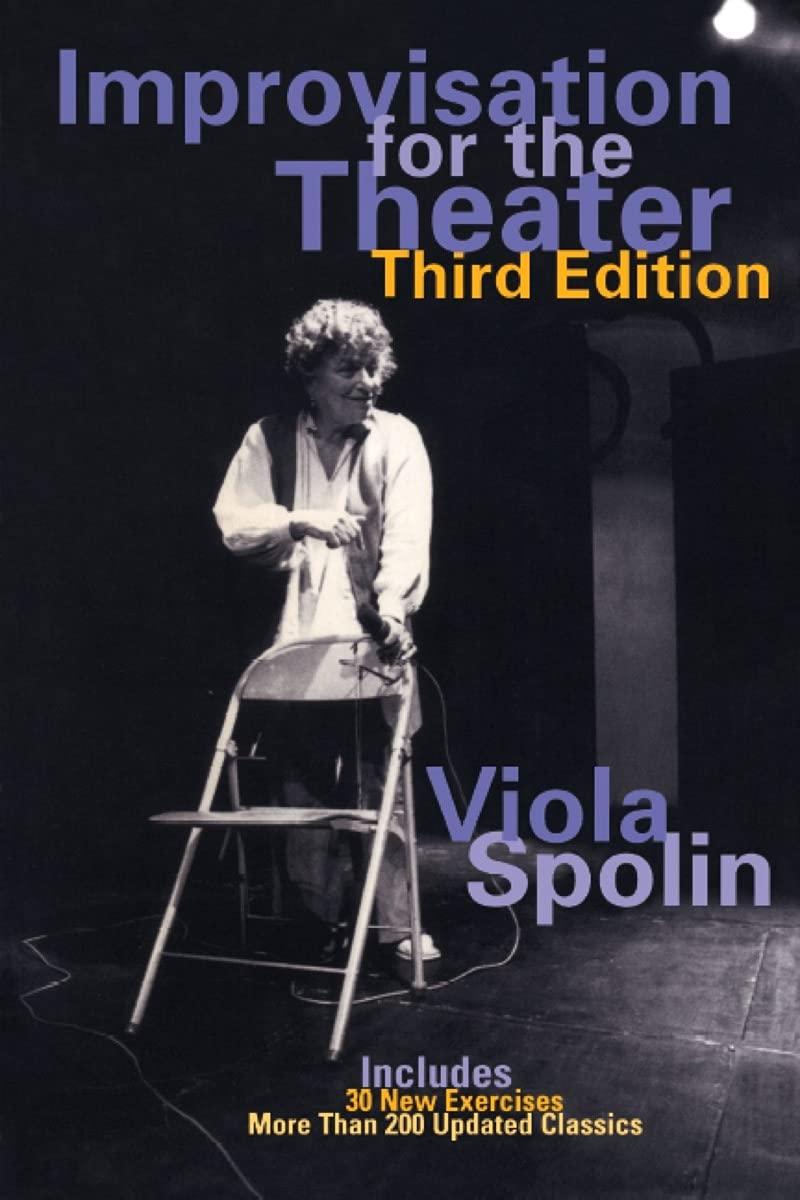
Improvisation for the Theater
A Handbook of Teaching and Directing Techniques
Viola Spolin

Something from Nothing
The Technique of Improvisation
Richard Goteri

Applied Improvisation
Leading, Collaborating, and Creating Beyond the Theatre
Theresa Robbins Dudeck; Caitlin McClure

Group Improvisation
The Manual of Ensemble Improv Games
Peter Campbell Gwinn; Charna Halpern
Related Exercises
Alternate Uses Test (AUT)
Take an everyday object and list as many different uses for it beyond its intended purpose as possible in two minutes. A daily creativity training exercise from divergent thinking research.
The Pineapple
The Pineapple is an applied exercise in which a randomly named object becomes the shared focal point for a group brainstorm, with participants using the object as a springboard for generating connections, analogies, and ideas across any domain. The exercise trains lateral thinking and the habit of finding unexpected value in arbitrary starting points.
New Object Name and Application
New Object Name and Application is an applied improvisation exercise in which participants are given an ordinary everyday object, assign it a completely new name, and then pitch a convincing use case for it under its new identity. The exercise trains spontaneous creative reframing, confident presentation under uncertainty, and the ability to find value in unexpected contexts.
Object Circle
Object Circle is a warm-up exercise in which participants stand in a circle and pass physical or mimed objects to each other, transforming each object through imagination as it travels. One participant sends an object with a specific size, weight, and character; the next participant receives it, uses it briefly, then transforms it into something new before passing it on. The exercise develops physical specificity, collaborative imagination, and the habit of accepting and building on what a partner offers.
Out of the Box
Out of the Box is a partnered exercise in which one person leads another around the room, pointing to objects, and the other must immediately name each object as anything other than what it actually is. A chair becomes a volcano, a lamp becomes a saxophone. The exercise breaks habitual thinking patterns and trains participants to override the labeling instinct, building the rapid creative association that underlies strong improvisation and innovative thinking.
Objects
Objects is an ensemble exercise and short-form game in which players use their bodies to form the physical shape of an audience-suggested object. Players enter one at a time, each adding themselves to the growing sculpture until the group collectively represents the object in physical space. The exercise builds spontaneous physicality, spatial awareness, and the ensemble skill of offering and accepting physical contributions without verbal negotiation.
The Lineage
Explore the schools and structures that influenced or evolved from Similar Uses Test (SUT).
Brain Disruption (Montgomery & Montgomery)
How to Reference This Page
The Improv Archive. (2026). Similar Uses Test (SUT). Retrieved September 28, 2026, from https://improvarchive.org/exercises/similar-uses-test-sut
The Improv Archive. "Similar Uses Test (SUT)." The Improv Archive, 2026. https://improvarchive.org/exercises/similar-uses-test-sut.
The Improv Archive. "Similar Uses Test (SUT)." The Improv Archive, 2026, https://improvarchive.org/exercises/similar-uses-test-sut. Accessed September 28, 2026.
The Improv Archive is a systemically maintained repository. The archive itself acts as the corporate author.